Dolls Continue to Inspire Fashion Designers in Major New Exhibit
From Parlour to Paris: How Miniature Figures Shaped Couture
A groundbreaking exhibition opening this fall at the Metropolitan Museum of Art will showcase how dolls have shaped fashion design for over a century. Titled „Miniature Muse: The Doll in Fashion,”the exhibit features over 300 pieces from 50 international designers, highlighting the miniature figure as one of fashion's most enduring muses.
Breaking News
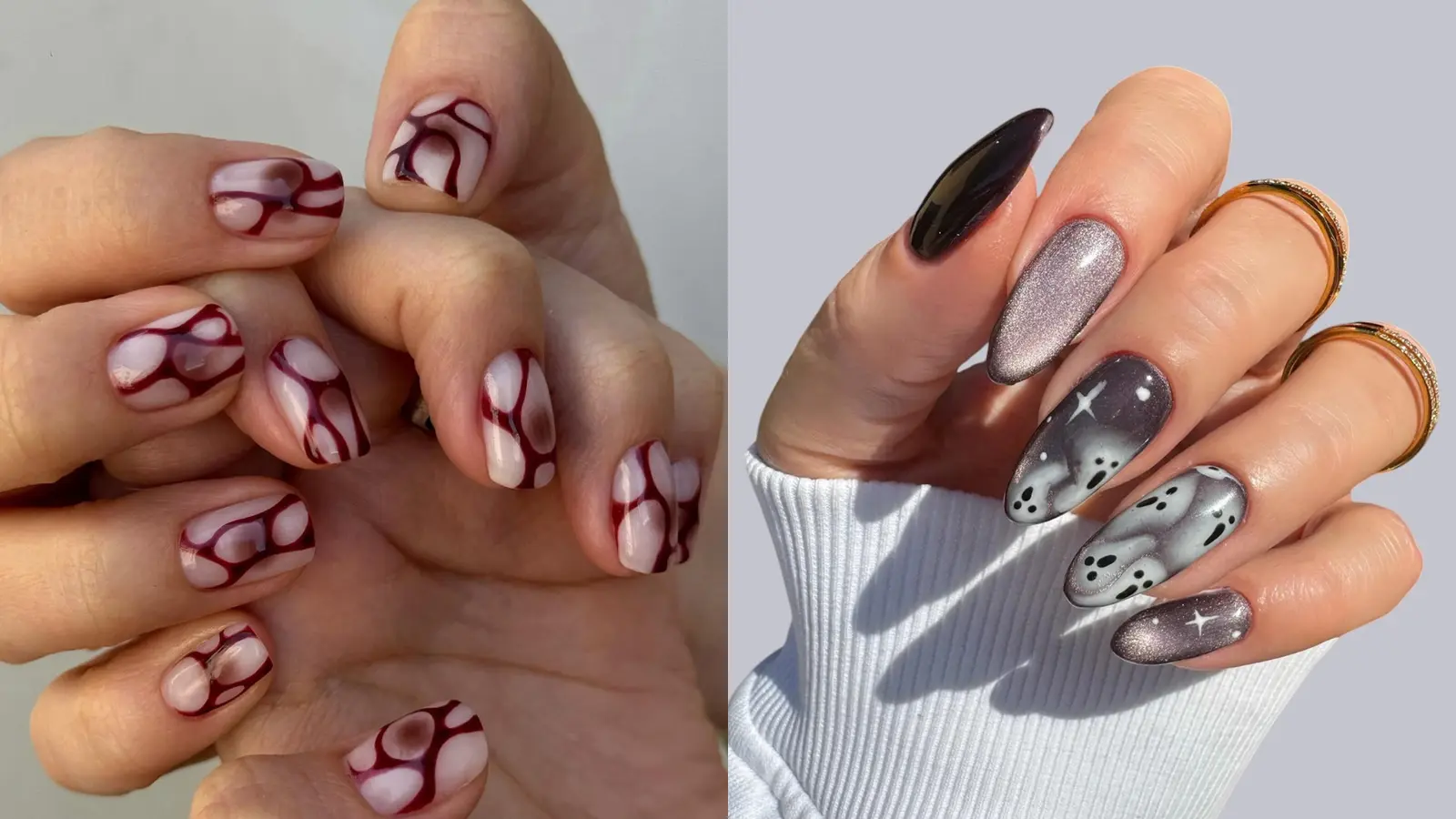 Halloween Manicures: 17 Nail Designs That Will Turn Heads
 Why Hello Sunday Decided To Leave Sephora US Two Years After Launching
 It Girls in Paris Know That This Jeans-and-Heels Outfit Looks Great at Every Age
 21 Unique Boo Basket Filler Ideas That Are Right on Trend
The display traces the relationship between dolls and couture from the 18th century to today, revealing how designers use these tiny models to experiment with silhouette, texture, and color before committing to full-scale garments. According to curator Dr. Elena Marchetti, „Dolls offer a unique laboratory where fashion ideas can be tested in miniature without the waste of expensive fabrics.”The exhibit includes previously unseen sketches and photographs from archives at Chanel, Dior, and McQueen, showing how iconic designs evolved from doll prototypes.
The connection between dolls and fashion runs deeper than convenience. In the 1800s, fashionable young women created elaborate doll wardrobes as miniature versions of their own dressing tables. These tiny figures became status symbols, with doll clothing often featuring the same fabrics and trim as adult fashion. When Charles Frederick Worth began his house in the 1850s, he reportedly used doll-sized versions of his designs to demonstrate new silhouettes to clients.
Can Miniature Fashion Replace Traditional Design Methods?
Today's designers continue this tradition. Alexander McQueen famously sent doll-sized versions of his collections to retail buyers, while Iris van Herpen creates intricate miniature versions of her avant-garde gowns using 3D printing technology. The exhibit's centerpiece features a series of doll-sized gowns worn by fashion students during internship programs, demonstrating how these miniatures serve as educational tools.
As fashion becomes increasingly sustainable, the doll's role as a zero-waste design tool has gained new relevance. Designers report that creating miniature versions reduces fabric consumption by up to 90% during the prototyping phase. However, some critics argue that digital modeling could eventually replace physical dolls entirely.
The exhibit includes interactive stations where visitors can try on AR glasses to see how doll-inspired designs translate to human form. This fusion of traditional craft and emerging technology suggests the doll's influence will persist, even as its form evolves.
Frequently Asked Questions
What time period does the exhibit cover? The display spans from the 18th century to contemporary designs, showing the doll's continuous influence on fashion evolution.
How can dolls help with sustainable fashion? Miniature prototypes eliminate the need for multiple full-scale samples, dramatically reducing fabric waste during the design process.
Are there plans for this exhibit to travel? While the initial installation is at the Metropolitan Museum, organizers are in discussions with institutions in London and Tokyo for potential touring versions.