Crafting a Winning Fashion Résumé: Tips for Aspiring Designers
Aligning Your Résumé with the Fashion Calendar
A fashion résumé is the first touchpoint for designers, stylists, merchandisers, and production assistants seeking roles in the global apparel industry. Career coaches and hiring managers in London, New York, and Milan say a polished résumé can open doors that talent alone may not.
Breaking News
 Karlie Kloss Steps Out in Black Ballet Flats During New York Appearances
 Fall Hair Color Ideas Inspired by Your Favorite Autumn Activities
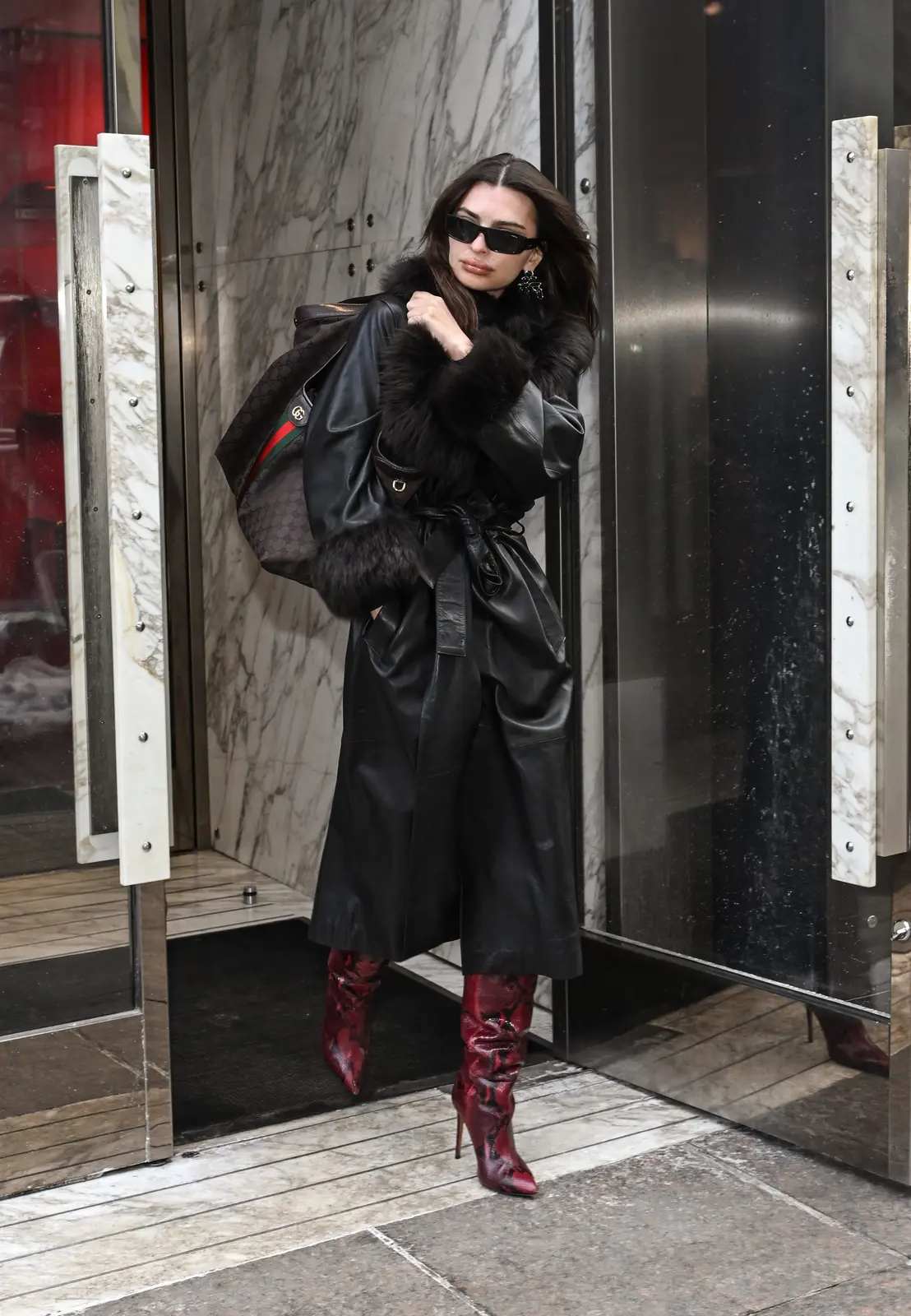 Six Bold Boot Styles Dominating Fall 2026 Fashion
 Grand Collection Teams With New Balance for Earth-Toned Skate Shoe
Most candidates treat their résumé like any other corporate document, overlooking the sector’s unique rhythm. Fashion houses prioritize visual storytelling, brand alignment, and seasonal relevance. Experts advise tailoring language to reflect runway cycles, highlighting internships with notable labels, and showcasing quantifiable achievements such as sales growth or editorial placements. A concise, aesthetically clean layout signals an eye for detail, an essential trait for any fashion professional.
The industry moves in six‑month cycles, from concept to catwalk. Recruiters expect applicants to mirror this cadence in their résumés. Begin with a headline that states your specialty—e.g., „Ready‑to‑Wear Designer” or „Luxury Accessories Stylist.” Follow with a brief profile that mentions your most recent season’s work, such as „Contributed to Spring/Summer 2025 collection for emerging label.”
List experience in reverse chronological order, but group projects by season rather than by employer when you have multiple short‑term contracts. Quantify impact: „Managed a team of five to deliver 120 garment prototypes two weeks ahead of schedule.” Include any collaborations with photographers, editors, or influencers, as these networks often drive hiring decisions.
Should You Embed a Creative Portfolio Directly on Your Résumé?
Visual consistency matters. Use a clean sans‑serif font, ample white space, and a single column layout. Avoid decorative borders that distract from content. If you have a strong portfolio, embed a QR code linking to an online showcase; ensure the code works on mobile devices.
Many fashion aspirants wonder whether to attach images or keep the résumé strictly textual. The answer depends on the role. For design and illustration positions, a visual sample can differentiate you from hundreds of applicants. However, recruiters caution against overcrowding the page.
A practical compromise is a one‑page résumé paired with a separate, two‑page portfolio PDF. The résumé should reference the portfolio with a line like „See attached portfolio for design concepts and technical drawings.” If you choose a QR code, test it on multiple devices before sending.
For non‑creative roles—such as merchandising, buying, or marketing—a text‑heavy résumé is acceptable, provided you still mention any relevant visual projects. In all cases, the résumé must remain scannable by applicant‑tracking software; excessive graphics can trigger rejection.
Frequently Asked Questions
A well‑crafted fashion résumé signals professionalism, industry awareness, and a commitment to the brand’s aesthetic. As hiring cycles tighten, candidates who adapt their résumés to seasonal rhythms and showcase measurable successes will stand out. Companies continue to seek fresh talent that blends creativity with business acumen, making a strategic résumé more crucial than ever.
What length should a fashion résumé be? Ideally one page for early‑career candidates; two pages are acceptable for senior professionals with extensive experience.
Is it necessary to list every internship? Focus on internships that directly relate to the job you’re applying for. Irrelevant experiences can be omitted to keep the résumé concise.
How often should I update my résumé? Refresh it after each season or major project to reflect new skills, collaborations, and achievements.