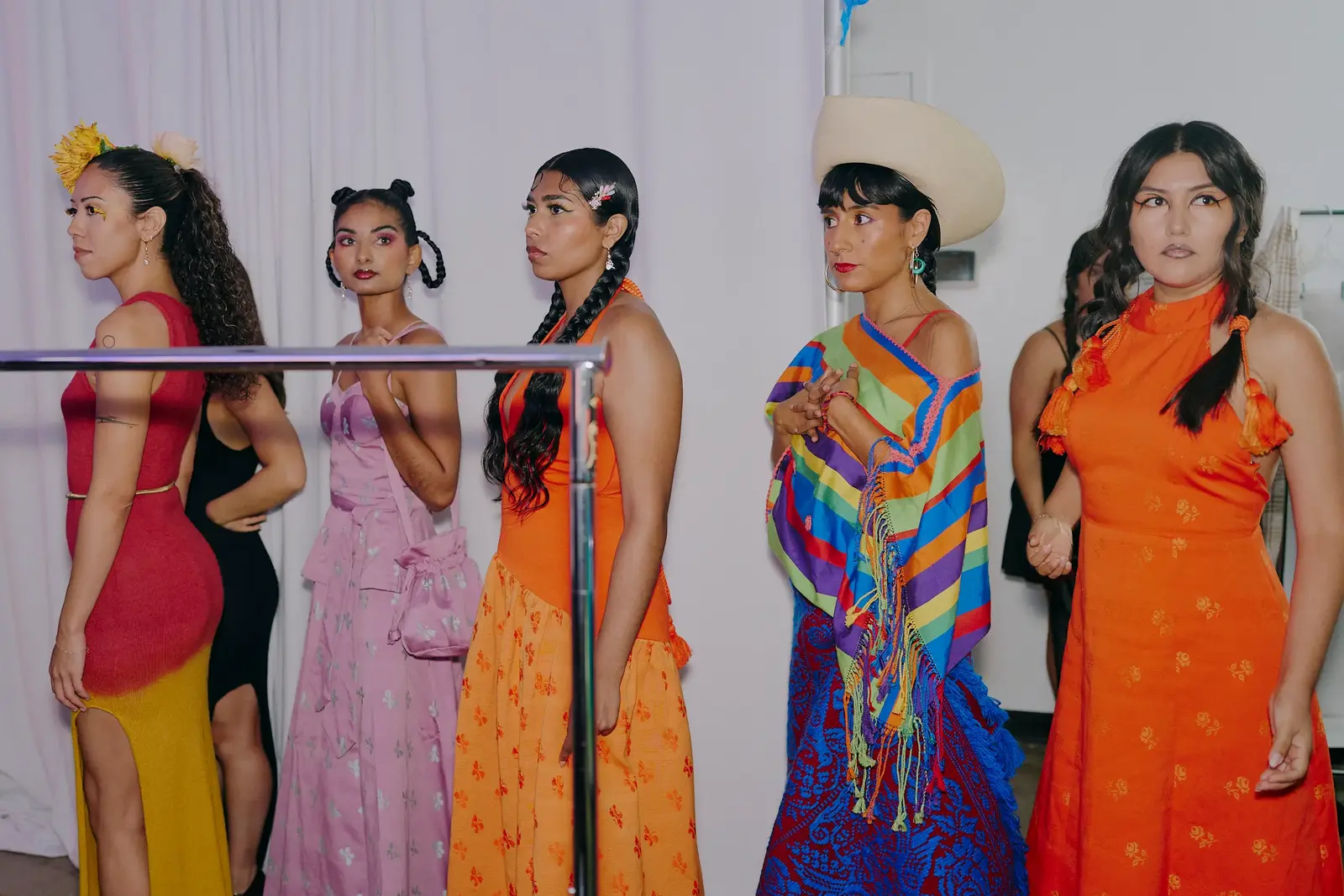
Six Indigenous Designers Redefining Fashion at New York Event
Voices Behind the Stitches
Indigenous New York Fashion Week returned for its second year, spotlighting 30 Native artisans from around the world. Held in September 2026, the Native-led gathering emphasized storytelling through clothing, materials, and makers. Organizers highlighted the connection between what people wear and the cultural origins behind each piece.
Breaking News
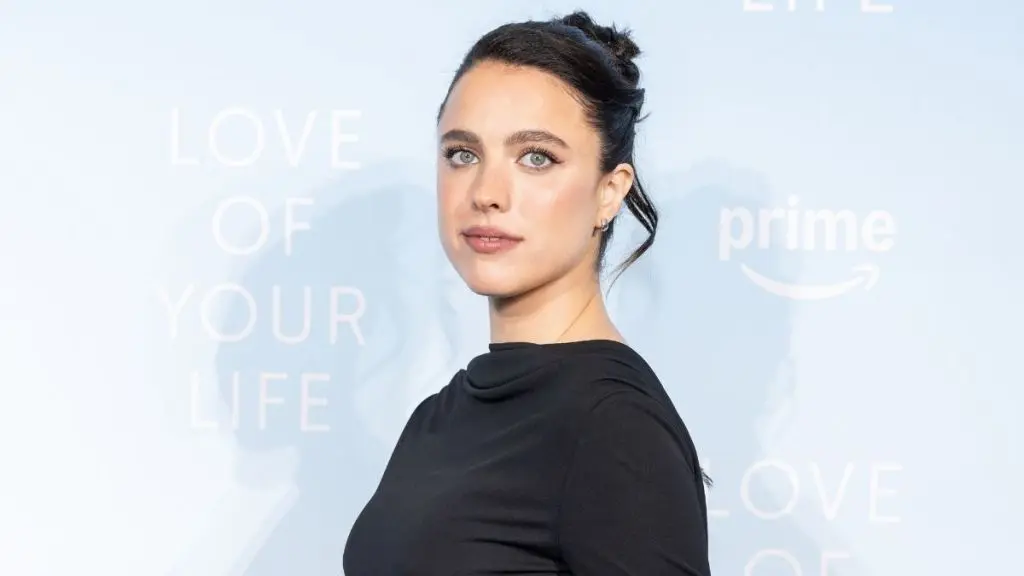 Margaret Qualley Stuns in Black Chanel Gown at New York Film Screening
 Emma Stone Stuns in Low‑Cut Louis Vuitton Dress at New York Film Festival
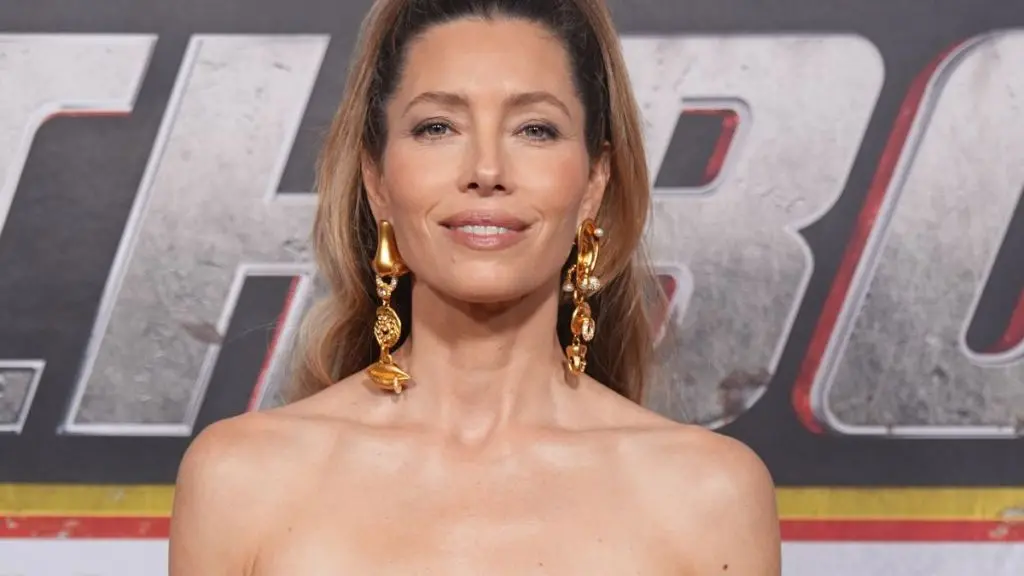 Jessica Biel Shines in Cutting‑Edge Nensi Dojaka Dress at Matchbox VIP Screening
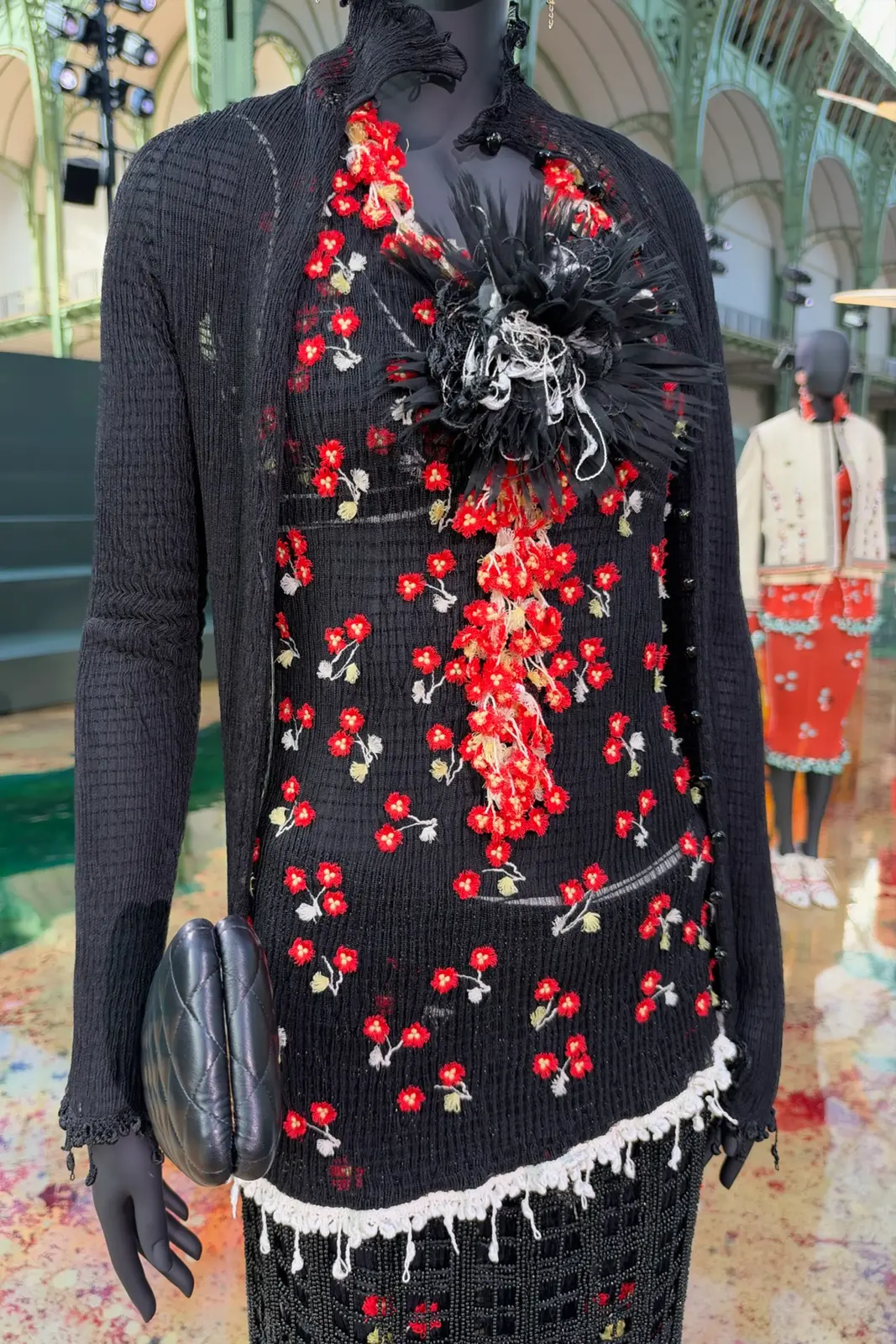 The Re-See: From Industry Affair to Content Machine
The event featured emerging talent alongside established creators, all sharing a commitment to honoring ancestral techniques. Designers used traditional materials like quillwork, beadwork, and hand-tanned leather, blending them with contemporary silhouettes. Many spoke about reclaiming narratives often overlooked in mainstream fashion, asserting that identity and heritage are central to their work.
How Does Fashion Carry Culture?
One designer from the Navajo Nation explained how her collection drew from sandpainting symbols, translating spiritual patterns into wearable art. Another, a Haudenosaunee beadworker, described spending months on a single piece to honor her grandmother’s teachings. A young Inuit creator used seal fur and recycled metals, calling attention to Arctic sustainability. Each artisan stressed that their work is not inspiration but inheritance.
When asked how clothing preserves tradition, several designers said garments act as living archives. One noted that a dress might contain patterns marking a clan’s migration, while another explained that certain colors signal seasonal ceremonies. They emphasized that wearing these pieces is an act of recognition, not appropriation, when done with understanding and respect for the source communities.
What makes Indigenous New York Fashion Week different from other fashion events? It is led by Native designers and centers Indigenous knowledge, prioritizing cultural authenticity over trends. The focus is on origin, makers, and the meaning embedded in materials and motifs.
Frequently Asked Questions
How many artisans participated in this year’s event? Thirty Indigenous artisans from various Nations and regions took part, representing a global network of Native creativity.
Can non-Indigenous people wear these designs respectfully? Yes, if they learn the stories behind the pieces and support the artists directly. Designers encourage engagement rooted in respect, not extraction.