Designers Prioritizing the Human Form
The Legacy of Sculptural Fit
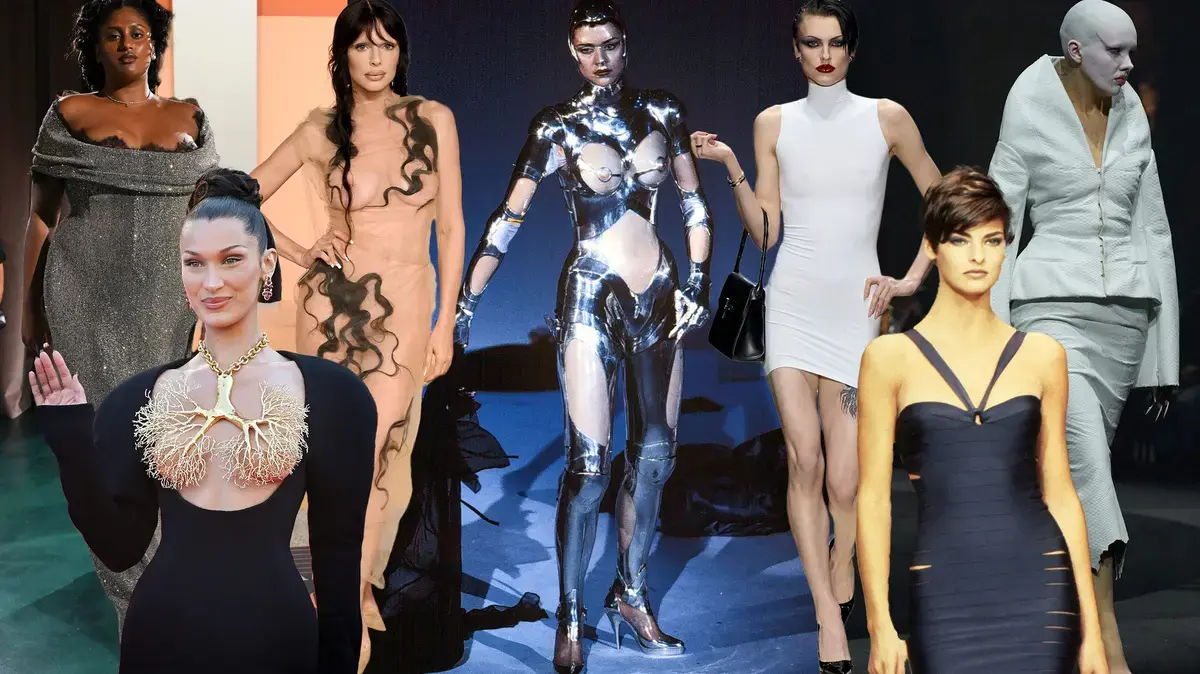
Ten fashion designers consistently celebrate the body. Their work directly influenced and reflects the themes of the Metropolitan Museum of Art’s current costume exhibition. These creatives explore how clothing interacts with, and enhances, the human silhouette. This approach has shaped contemporary fashion trends.
Breaking News
 Shoes for a Cure Kicks Off NY Charity Sale with Star Power
 Commando Opens Exclusive Bodysuit Bar at Saks Fifth Avenue Flagship
 Italian Luxury Footwear Steals the Spotlight at Rome Film Festival
 Neiman Marcus Celebrates 100 Years of Holiday Book with Star-Studded Fantasy Gifts Party
These designers aren’t simply creating garments. They are sculpting with fabric, emphasizing natural curves and challenging conventional forms. Each designer brings a unique perspective. They all share a commitment to understanding the body’s potential. This focus moves beyond mere aesthetics. It's about empowerment and self-expression through clothing.
Azzedine Alaïa remains a foundational figure. He was renowned for his masterful understanding of the female form. Alaïa’s designs weren’t imposed on the body, but rather grew from it. He used stretch fabrics and precise cuts to create pieces that clung and moved with the wearer. This approach redefined sensuality in the 1980s and continues to inspire.
Dilara Findikoglu offers a contrasting, yet equally compelling, vision. Her collections are theatrical and historically informed. Findikoglu blends Renaissance and Victorian aesthetics with modern silhouettes. She creates garments that feel both ancient and futuristic. Her work explores themes of power, mythology, and the female gaze.
Does Clothing Define or Reveal?
Iris van Herpen pushes the boundaries of textile innovation. She utilizes 3D printing and unconventional materials. Van Herpen’s designs often resemble organic structures. They blur the line between fashion and art. Her work emphasizes movement and fluidity. It suggests a symbiotic relationship between the body and technology.
Meanwhile, Rick Owens consistently challenges conventional notions of beauty. His collections feature elongated silhouettes and distressed fabrics. Owens’ designs are often described as „glunge”—a fusion of glamour and grunge. He aims to create clothing that is both protective and provocative. He encourages wearers to embrace their individuality.
Other designers contributing to this body-conscious movement include: Schiaparelli, known for her surrealist approach; Jean Paul Gaultier, famous for deconstructing traditional forms; Alexander McQueen, celebrated for his dramatic and theatrical designs; Hussain Chalayan, who integrates technology and performance into his work; Iris Serban, who explores themes of identity and transformation; and Ludovic de Saint Sernin, who champions inclusivity and sensuality.
Frequently Asked Questions
This dedication to the body’s form has lasting consequences. It’s influencing a new generation of designers. They are prioritizing fit, comfort, and self-expression. The future of fashion will likely continue to emphasize the relationship between clothing and the human form. We can expect further innovation in materials and construction. This will allow for even more personalized and empowering designs.
What is „body-conscious” fashion? Body-conscious fashion refers to clothing designed to accentuate the natural curves of the body. It often utilizes form-fitting fabrics and silhouettes. The goal is to highlight, not hide, the wearer’s shape.
How has technology impacted this design approach? Technology, like 3D printing, allows designers to create complex and organic shapes. These shapes would be impossible with traditional methods. This enables a deeper exploration of how clothing interacts with the body.
Why is inclusivity important in this movement? Celebrating the body in all its diversity is crucial. Designers are increasingly recognizing the need to create clothing for a wider range of body types. This ensures that everyone can experience the empowering effects of well-designed garments.