TikTok Emerges as Primary Discovery Platform for Independent Fine Jewelry Designers
How Short-Form Video Reshapes Luxury Consumer Behavior
Sophie Whitelaw has transformed her independent fine jewelry brand into a digital phenomenon through strategic use of TikTok. This social media platform has become the primary channel for consumers to discover new designers in the luxury watch and jewelry sector. The shift marks a significant departure from traditional retail discovery methods that relied heavily on physical boutiques and established fashion magazines.
Breaking News
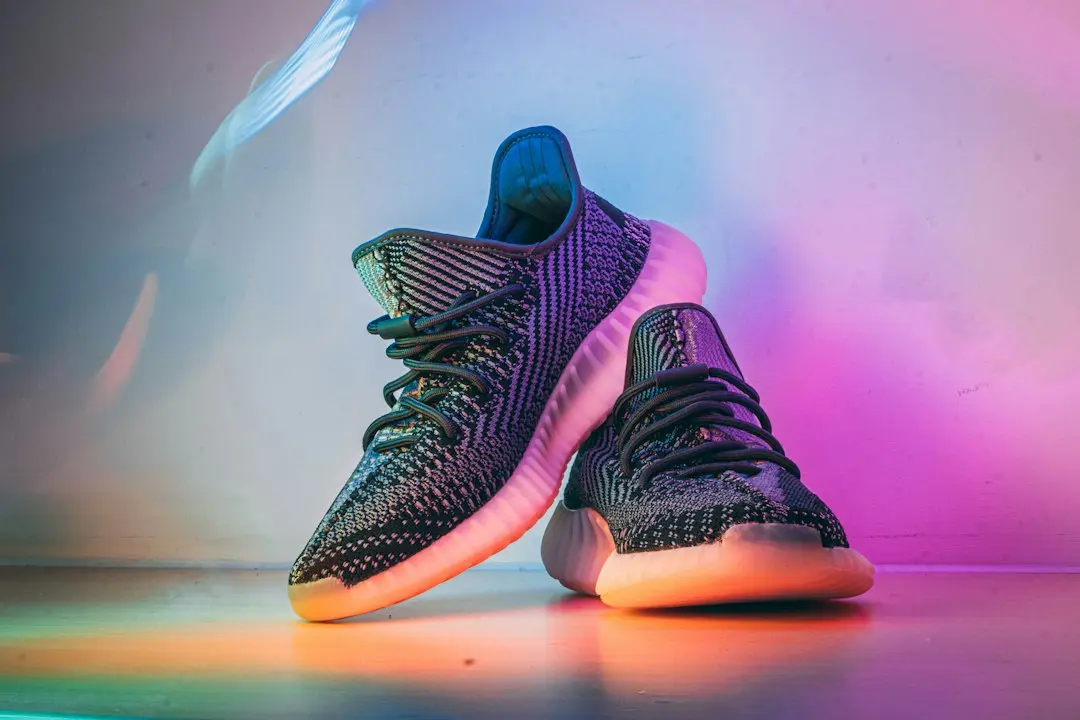 Shoes for a Cure Kicks Off NY Charity Sale with Star Power
 Commando Opens Exclusive Bodysuit Bar at Saks Fifth Avenue Flagship
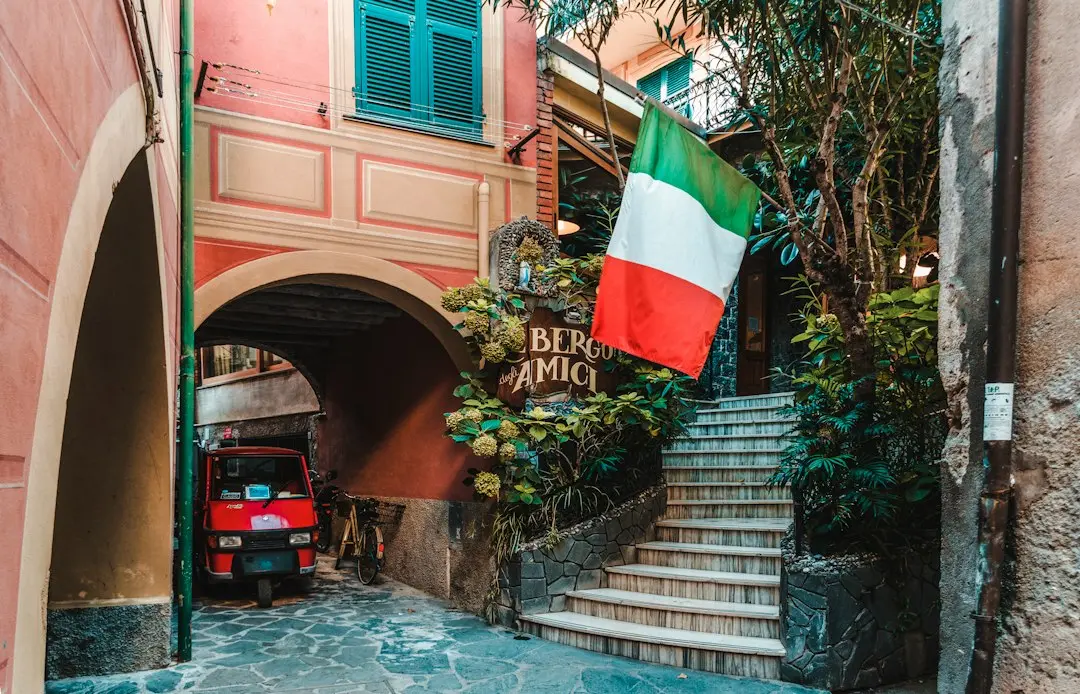 Italian Luxury Footwear Steals the Spotlight at Rome Film Festival
 Neiman Marcus Celebrates 100 Years of Holiday Book with Star-Studded Fantasy Gifts Party
Whitelaw leverages short-form video content to showcase her design process and final products directly to potential buyers. This direct-to-consumer approach bypasses traditional gatekeepers in the industry. By sharing behind-the-scenes footage, she builds a personal connection with her audience that fosters brand loyalty. The strategy allows her to reach a global market without the overhead costs associated with brick-and-mortar expansion or expensive print advertising campaigns.
The mechanics of this discovery model rely on algorithmic visibility rather than paid placement. Users scroll through feeds where organic engagement determines which creators gain traction. For fine jewelry, visual appeal is paramount, making the vertical video format highly effective for demonstrating craftsmanship and detail. Consumers can observe the intricate work involved in creating each piece, which adds perceived value to the product. This transparency helps justify premium pricing points for independent designers who might otherwise struggle to compete with heritage houses.
Why Traditional Retail Channels Are Losing Ground
The platform also facilitates immediate interaction between designers and customers. Comment sections serve as informal focus groups, providing real-time feedback on styles and materials. This rapid feedback loop allows creators to adapt their collections quickly based on trending aesthetics. Unlike static images in traditional catalogs, video captures the movement and light reflection on gemstones and metals, offering a more dynamic preview of the item.
Traditional discovery channels like trade shows and department stores still hold influence, but their dominance is waning among younger demographics. These conventional routes often involve lengthy lead times and limited exposure for emerging talent. In contrast, social platforms offer instant accessibility and lower barriers to entry. A designer can launch a collection and receive orders within days, not months. This speed is critical in a fast-moving fashion landscape where trends evolve rapidly.
Furthermore, the community aspect of these platforms creates a sense of exclusivity around early access. Followers feel they are part of an insider group when they purchase before items hit wider distribution channels. This psychological factor drives repeat purchases and word-of-mouth marketing. As more established brands adopt similar strategies, the line between mass-market and fine jewelry continues to blur, challenging traditional definitions of luxury.
Frequently Asked Questions
Does TikTok replace traditional retail for fine jewelry? No, it complements existing channels by serving as a top-of-funnel discovery tool. Most successful designers still maintain e-commerce sites or physical presence for final transactions and customer service.
How do consumers verify authenticity on social platforms? Buyers often rely on consistent branding, detailed process videos, and peer reviews from verified followers. Many designers also include certificates of authenticity with shipped items to build trust.
Is this trend limited to independent designers? While independents benefit most, major luxury houses are increasingly using these platforms for marketing. However, the raw, unpolished aesthetic remains a hallmark of smaller, independent brands seeking authentic connections.