What Will It Take to Fortify Fashion’s Supply Chain?
How Can Collaboration Move Beyond Promises?
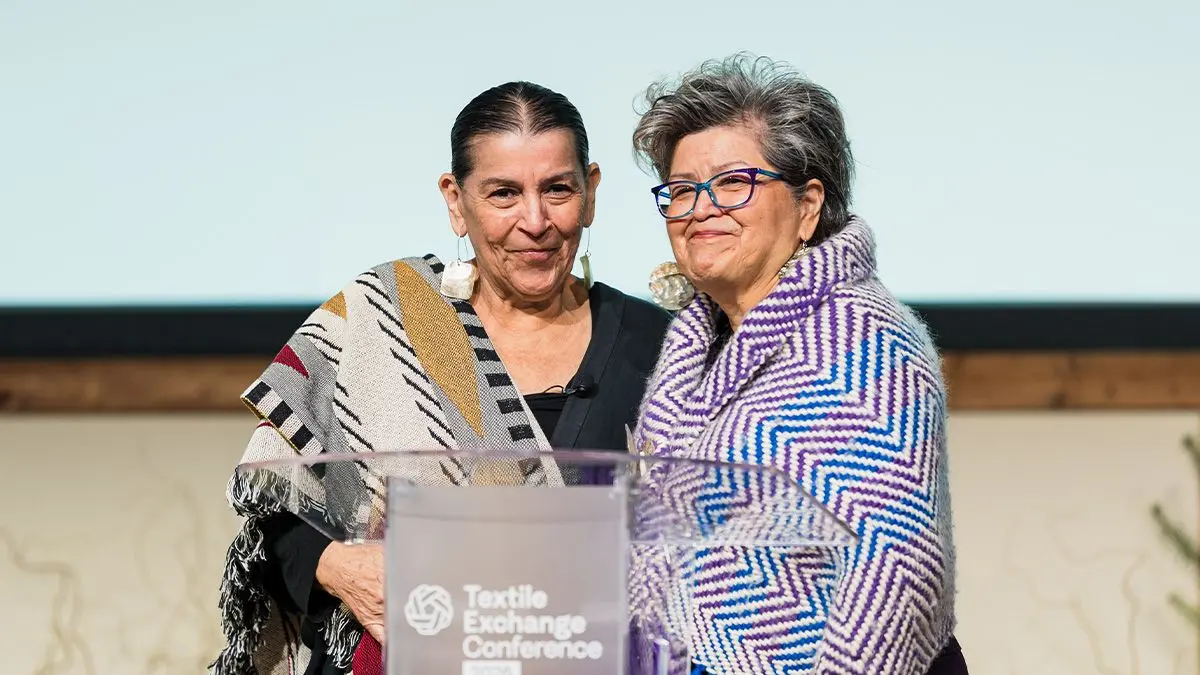
At the recent Textile Exchange conference, industry leaders gathered to confront mounting pressures on fashion’s supply chain, from climate disruptions to geopolitical instability. Host Samata Pattinson opened the event with a call to shift from discussion to action, emphasizing that years of dialogue must now translate into tangible implementation. Over three days, sessions revealed both progress and persistent frustrations in the pursuit of sustainable fashion, highlighting a sector at a critical juncture where ambition meets operational reality.
Breaking News
 Denni Manzatto Eyes UK Expansion for Prada Group
 Rewriting the Everyday: Key Takeaways From Shanghai Fashion Week
 The Unlikely Longevity of Longchamp
 Charles Denton Turns Bodycare Into A Retailtainment Destination
The conference underscored that while many brands have made public commitments to sustainability, translating these into resilient supply chains remains elusive. Suppliers report increasing strain from extreme weather events affecting raw material production, while trade tensions and regional conflicts disrupt logistics and increase costs. Pattinson noted that the industry has „done a lot of talking” but lacks coordinated mechanisms to enforce accountability or scale solutions. Participants stressed that without stronger collaboration between brands, suppliers, and policymakers, efforts risk remaining fragmented and insufficient to meet environmental and social goals.
What Role Should Policy Play in Driving Change?
Experts at the event pointed to successful models where long-term partnerships between brands and suppliers have enabled investments in renewable energy, water recycling, and fair wage programs. These cases show that shared risk and reward frameworks can drive innovation when built on transparency and mutual trust. However, such examples remain the exception rather than the norm. Many suppliers still face pressure to absorb costs of sustainability upgrades without adequate support, leading to calls for brands to revise purchasing practices and offer longer-term contracts that provide financial stability.
Attendees argued that voluntary initiatives alone cannot address systemic vulnerabilities in the fashion supply chain. There was growing consensus that government intervention—through regulations on emissions, waste, and due diligence—is necessary to level the playing field and prevent a race to the bottom. Some participants advocated for harmonized international standards to reduce complexity for global suppliers, while others warned against overly prescriptive rules that could stifle local innovation. The debate reflected a tension between the need for accountability and the desire to preserve flexibility in diverse production contexts.
What are the biggest obstacles to implementing sustainable practices in fashion supply chains? The primary barriers include financial constraints faced by suppliers, inconsistent brand purchasing practices, and external pressures from climate change and geopolitical instability that disrupt production and logistics.
Frequently Asked Questions
How can brands support suppliers in adopting sustainable technologies? Brands can offer long-term contracts, share investment costs, and provide technical assistance to help suppliers transition to cleaner energy, water-efficient systems, and ethical labor practices without bearing the full financial burden alone.
Why is policy considered essential for advancing sustainability in fashion? Policy creates enforceable standards that prevent greenwashing, ensures fair competition, and drives industry-wide change by making sustainability a requirement rather than a voluntary choice, especially where market incentives fall short.