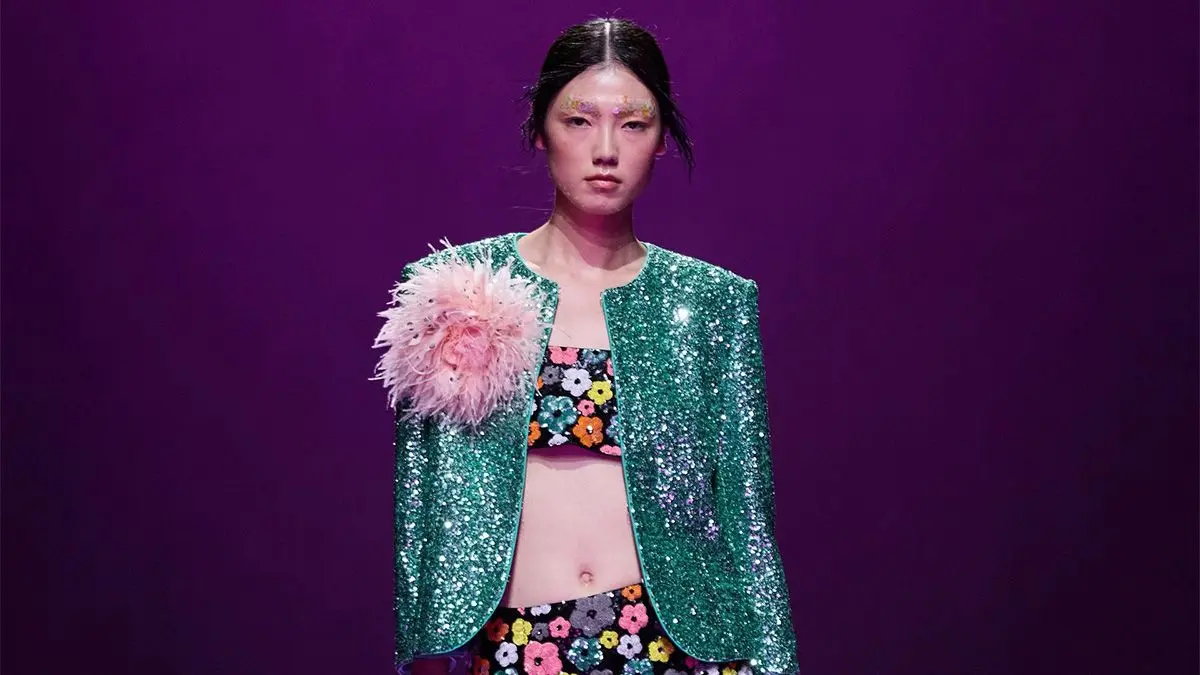
Rewriting the Everyday: Key Takeaways From Shanghai Fashion Week
How Are Designers Redefining Success Beyond the Runway?
Shanghai Fashion Week SS27 unfolded from October 8 to 16, spotlighting a wave of independent Chinese designers reimagining their creative and business approaches. Held across various venues in Shanghai, the season featured runway shows, presentations, and installations that emphasized deeper engagement over mere visibility. Homegrown label H was among those presenting new directions, reflecting a broader shift in how emerging talents navigate the industry.
Breaking News
 Denni Manzatto Eyes UK Expansion for Prada Group
 What Will It Take to Fortify Fashion’s Supply Chain?
 The Unlikely Longevity of Longchamp
 Charles Denton Turns Bodycare Into A Retailtainment Destination
The core theme emerging from the week was a deliberate move away from traditional runway-centric models toward building lasting relationships with audiences, artisans, and local communities. Designers increasingly prioritized storytelling, craftsmanship, and sustainable practices, seeking to ground their brands in cultural authenticity rather than chasing fleeting trends. This evolution signals a maturation of China’s independent fashion scene, where creativity is being paired with long-term strategic thinking.
What Role Does Local Craft Play in This New Vision?
Many participants rejected the pressure of constant seasonal output in favor of meaningful dialogue with wearers. Instead of treating collections as isolated events, labels began viewing them as chapters in an ongoing narrative. For instance, several designers incorporated feedback loops from previous seasons, adjusting silhouettes and materials based on real consumer insights. This approach fosters loyalty and allows for organic growth, reducing reliance on external validation from buyers or media alone.
A notable trend was the revival of regional techniques, from Jiangnan embroidery to Sichuan dyeing methods, reinterpreted through contemporary lenses. Designers collaborated directly with master artisans, ensuring fair compensation and knowledge transfer. These partnerships not only enriched the aesthetic depth of the collections but also contributed to preserving intangible cultural heritage. By embedding local expertise into their workflows, brands are creating differentiated value that global fast fashion cannot replicate.
Why are independent designers in Shanghai shifting away from traditional fashion week models? They aim to build sustainable, community-driven brands that prioritize long-term relationships over short-term hype, focusing on authenticity and craftsmanship to establish deeper connections with consumers.
Frequently Asked Questions
How did Shanghai Fashion Week SS27 differ from previous editions? The season highlighted a quiet but significant shift toward process-oriented design, with more emphasis on storytelling, artisan collaboration, and iterative development rather than spectacle-driven presentations.
What impact could this approach have on China’s fashion industry? It may lead to a more resilient and culturally grounded fashion ecosystem, where independent labels grow steadily through trust and quality, potentially influencing larger brands to adopt similar values.