Unexpected Textures Define New York Bridal Fashion Week Trends
Tactile Innovation Replaces Traditional Embellishment
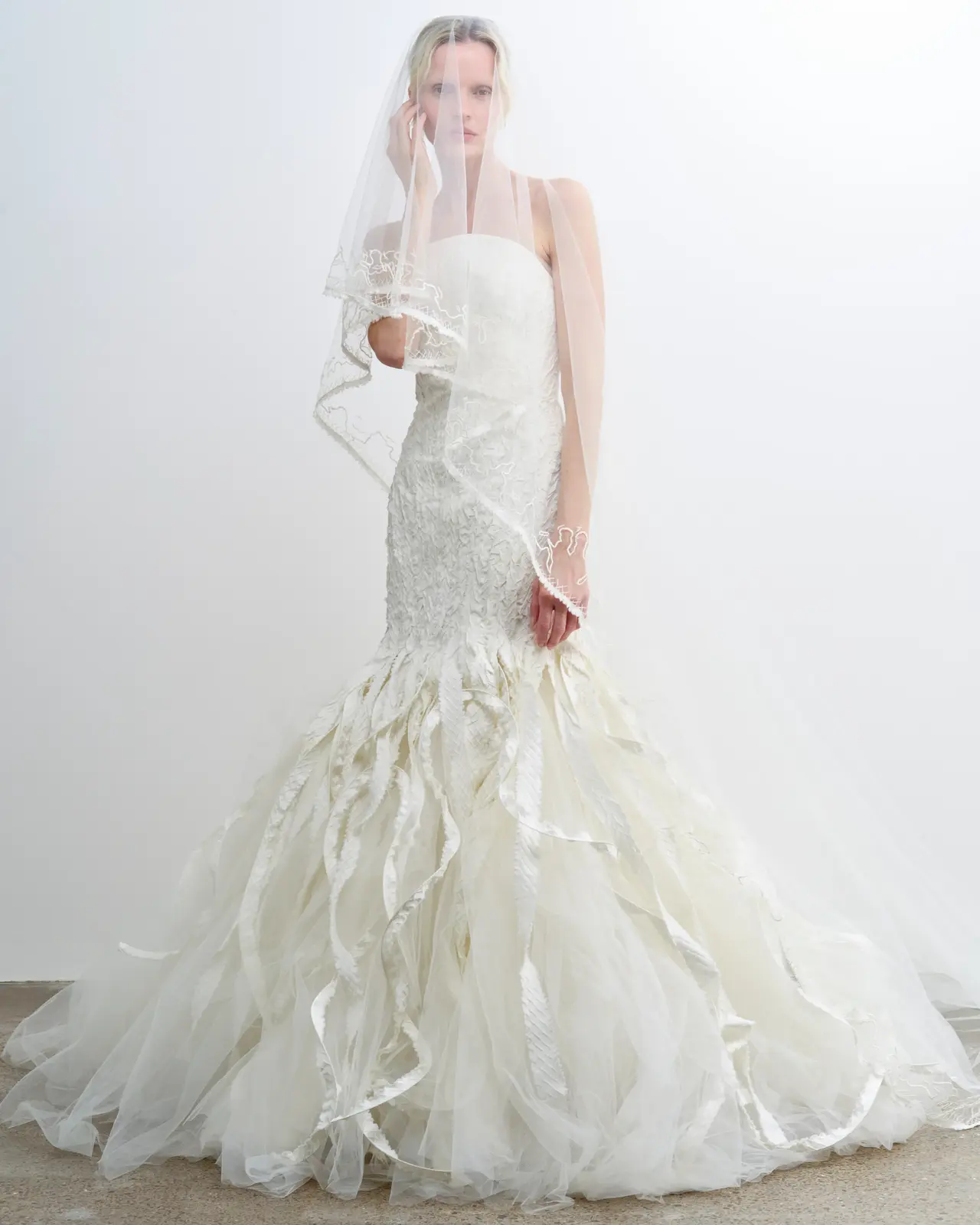
New York Bridal Fashion Week concluded with a distinct shift in design priorities. Designers moved away from predictable embellishments to prioritize tactile innovation. The fall 2024 collections revealed that unexpected textures are now the dominant trend. This movement signals a departure from decades of static formulas. Brides seeking individuality found fresh options in these latest presentations. The industry is evolving rapidly to meet changing consumer preferences.
Breaking News
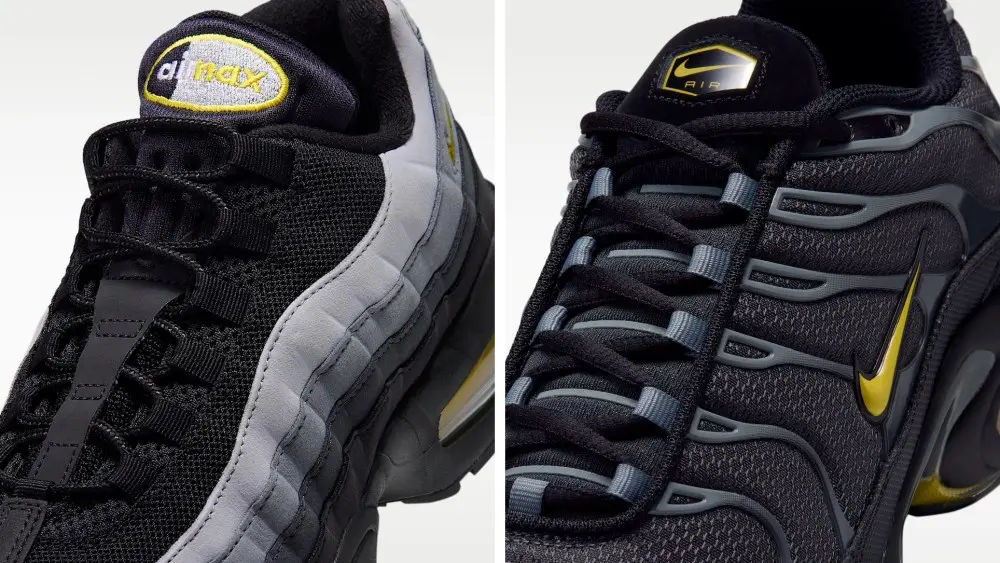 Nike Air Max Trio Evokes Dark Knight Aesthetic
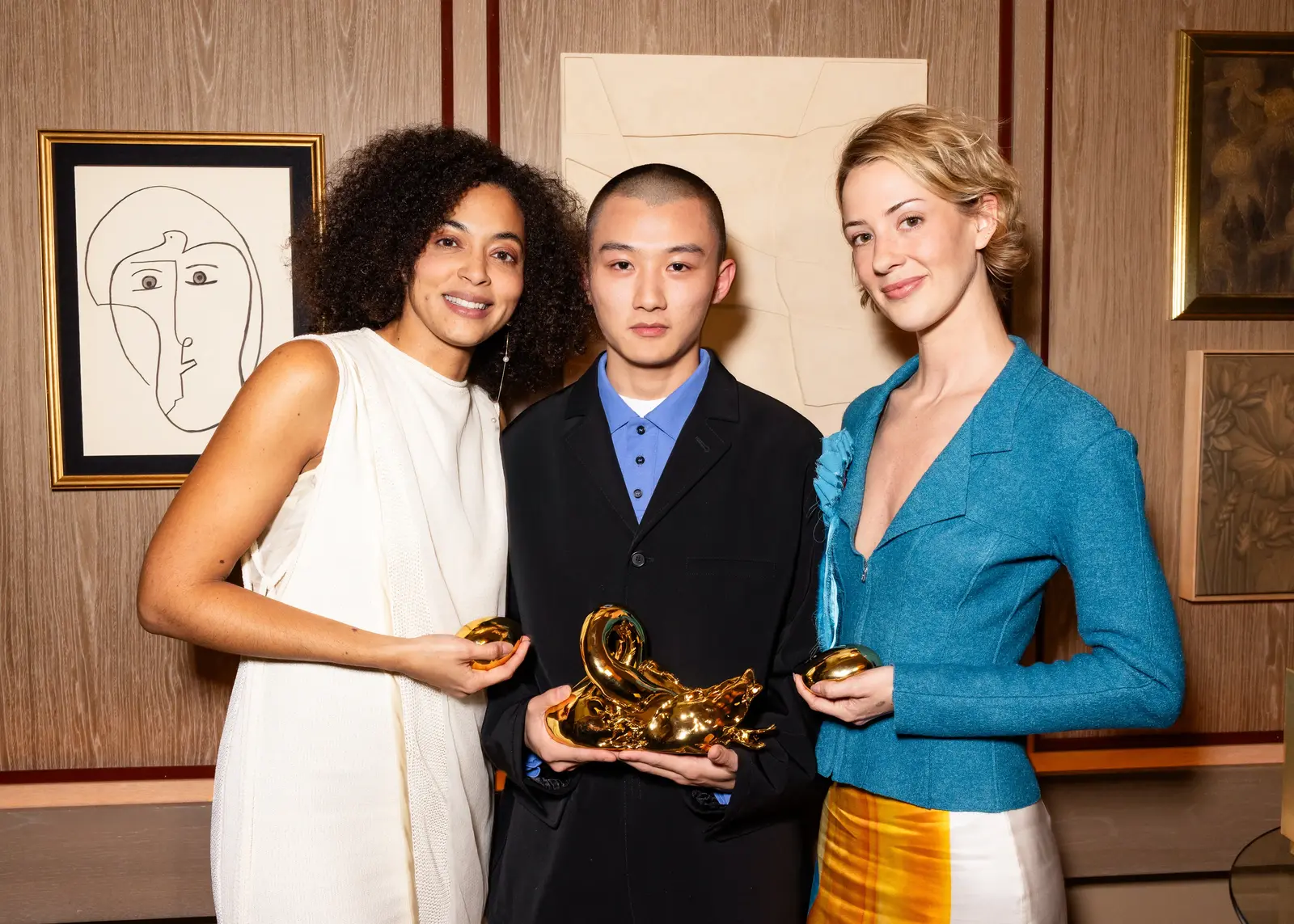 CFDA/Vogue Fashion Fund Winners Chart Future Course
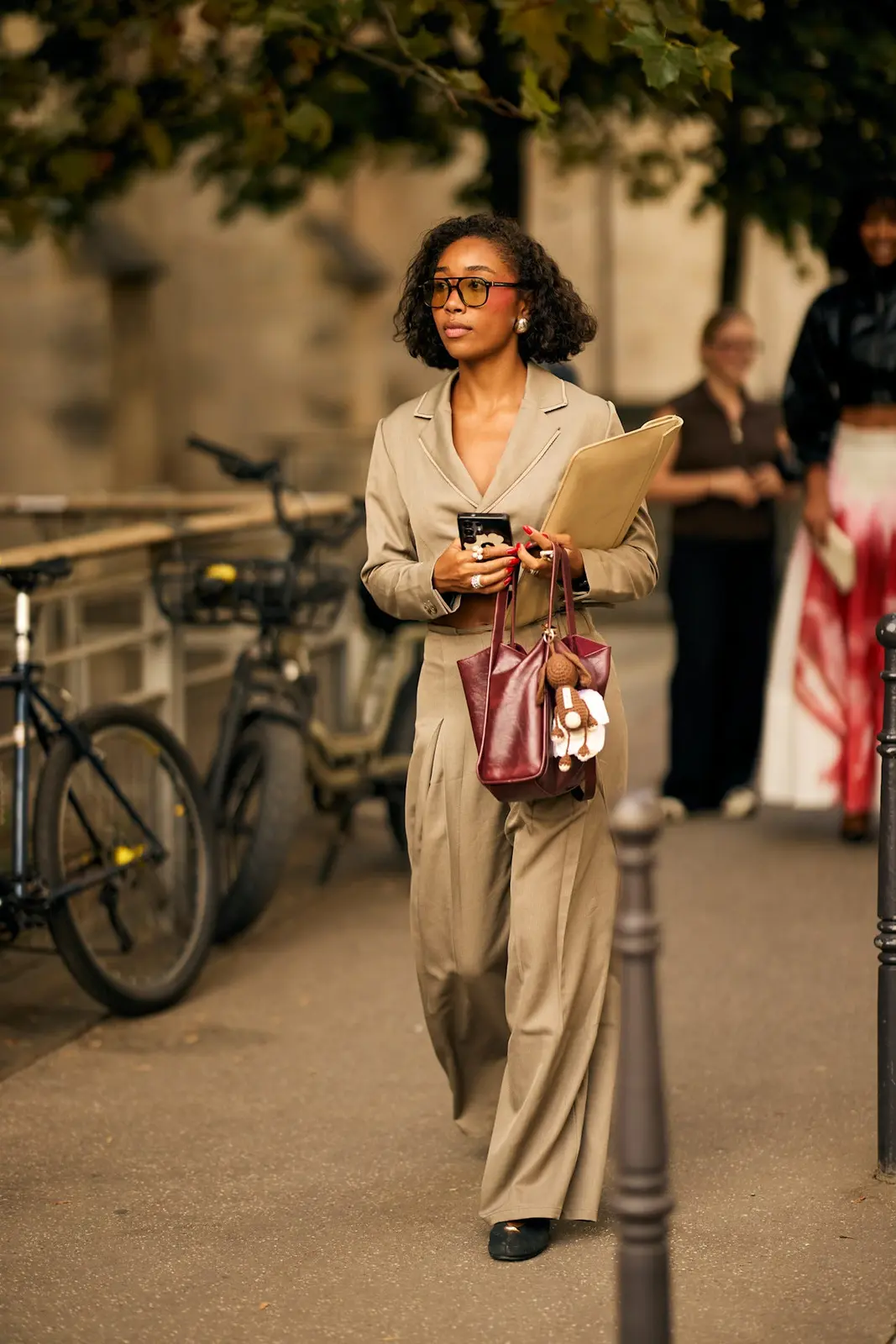 Affordable Luxury: Designer Handbags That Retain Value Under One Thousand Dollars
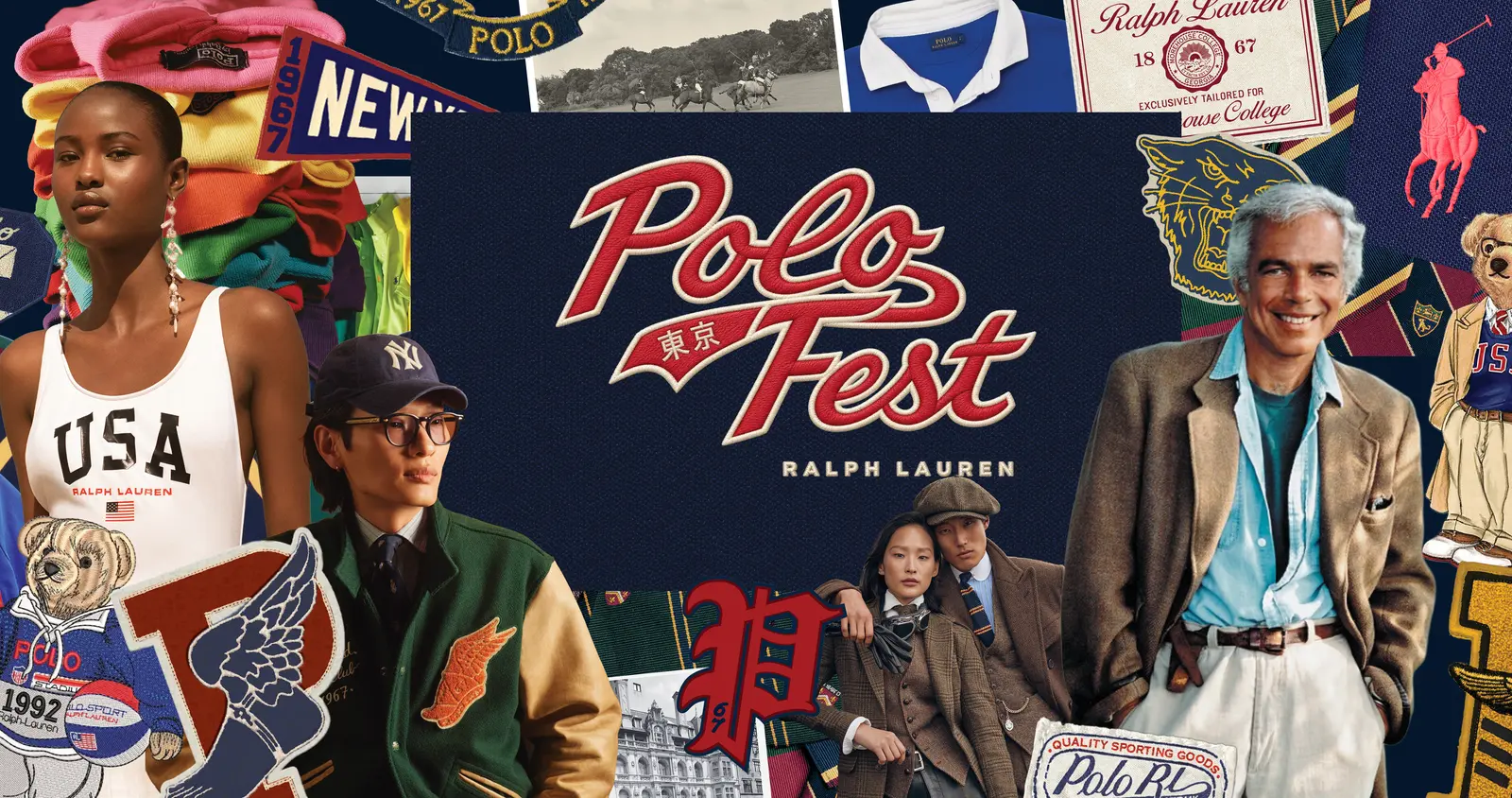 PoloFest Celebrates Vintage Ralph Lauren in Tokyo
Traditional bridal gowns have relied on specific materials for years. Designers frequently used dynamic lace patterns and rhinestone embellishments. Sumptuous silks and voluminous tulle were standard components. These elements provided visual interest to couture-level garments. However, the current landscape favors new interpretations of familiar fabrics. The focus has shifted toward how materials feel and interact with light. This change reflects a broader desire for modernity in wedding attire.
The recent shows highlighted a sophisticated approach to fabric manipulation. Designers experimented with layering and structural integrity. Instead of relying solely on sparkles or heavy beading, they explored surface depth. This technique creates a sense of movement and dimension. The gowns appear less rigid and more organic. Such designs allow for a more personal expression during the ceremony. The tactile nature of these materials invites closer inspection. Brides can appreciate the craftsmanship up close. This shift enhances the overall sensory experience of wearing the dress. It moves beyond mere visual appeal to include physical sensation.
Why Texture Is Gaining Prominence Now
The use of textured materials serves a functional purpose as well. It adds weight and presence to the silhouette. This helps balance the lightness often associated with traditional bridal wear. Designers noted that texture provides a subtle alternative to bold prints. It maintains elegance while introducing an element of surprise. The collections demonstrated that simplicity does not mean plainness. Complex weaves and unusual finishes replaced standard satin and organza. This innovation keeps the tradition alive while refreshing its appearance.
Consumers are increasingly seeking unique pieces for their special day. Mass-produced styles no longer satisfy this growing segment of the market. Designers responded by pushing creative boundaries in material selection. They aimed to create gowns that stand out in photographs. Texture offers a way to achieve this without overwhelming the aesthetic. It provides a sophisticated edge to classic designs. The trend also aligns with a broader fashion movement toward minimalism. Less is more, but only if the lessis highly detailed. This philosophy drove many of the standout looks on the runway.
The emphasis on texture also supports sustainability efforts. High-quality, durable fabrics can withstand repeated use and preservation. This longevity appeals to eco-conscious buyers. Designers are choosing materials that age gracefully over time. This long-term value proposition resonates with modern brides. They view their wedding dress as a keepsake rather than a single-use item. The tactile quality ensures the garment remains interesting for years. It becomes a piece of wearable art rather than just clothing.
Frequently Asked Questions
The bridal industry is poised for continued evolution. Expect to see more experimental approaches in upcoming seasons. Designers will likely explore even more unconventional materials. The boundary between high fashion and bridal couture continues to blur. This convergence benefits consumers by offering diverse choices. The focus on texture ensures that each gown tells a unique story. It marks a significant chapter in the history of wedding attire.
What specific materials define the new texture trend? Designers are moving beyond standard lace and tulle. They now utilize complex weaves, unusual finishes, and layered fabrics. These materials create depth and surface interest without relying on heavy embellishments.
How does this trend differ from previous bridal styles? Previous decades focused on visual impact through rhinestones and volume. The new approach prioritizes tactile complexity and structural integrity. It offers a subtler, more modern aesthetic for contemporary brides.