Affordable Luxury: Designer Handbags That Retain Value Under One Thousand Dollars
Strategic Spending on Compact Designs
Luxury fashion often demands a significant financial commitment, but high-end brands are increasingly offering accessible entry points. Editors at ELLE have identified a curated selection of handbags from top houses like Prada, Fendi, and Gucci. These specific models cost less than one thousand dollars yet possess genuine staying power. They serve as practical alternatives for consumers seeking prestige without the extreme price tags typically associated with flagship luxury items. This shift allows shoppers to own recognizable designer goods while maintaining a manageable budget for their overall wardrobe investment.
Breaking News
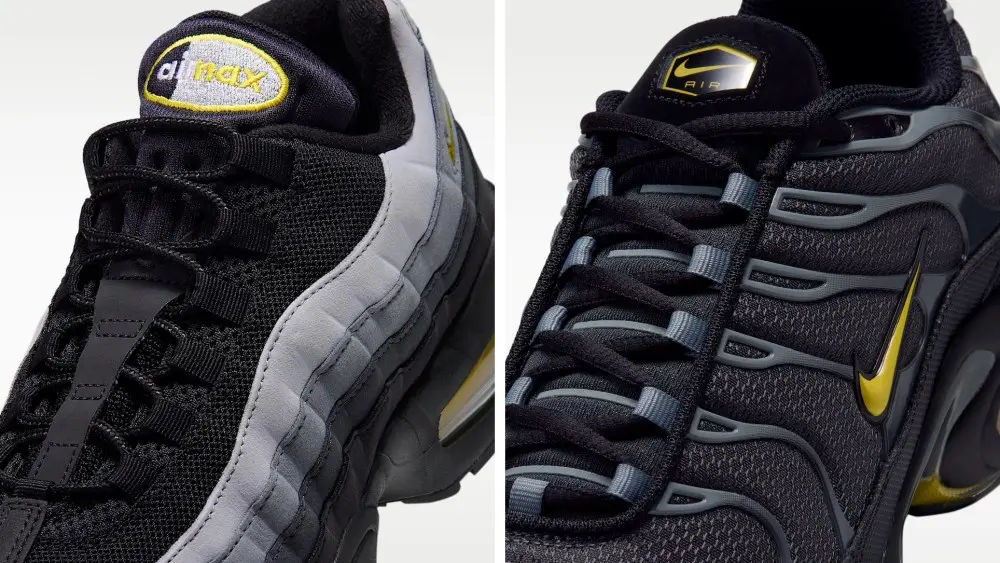 Nike Air Max Trio Evokes Dark Knight Aesthetic
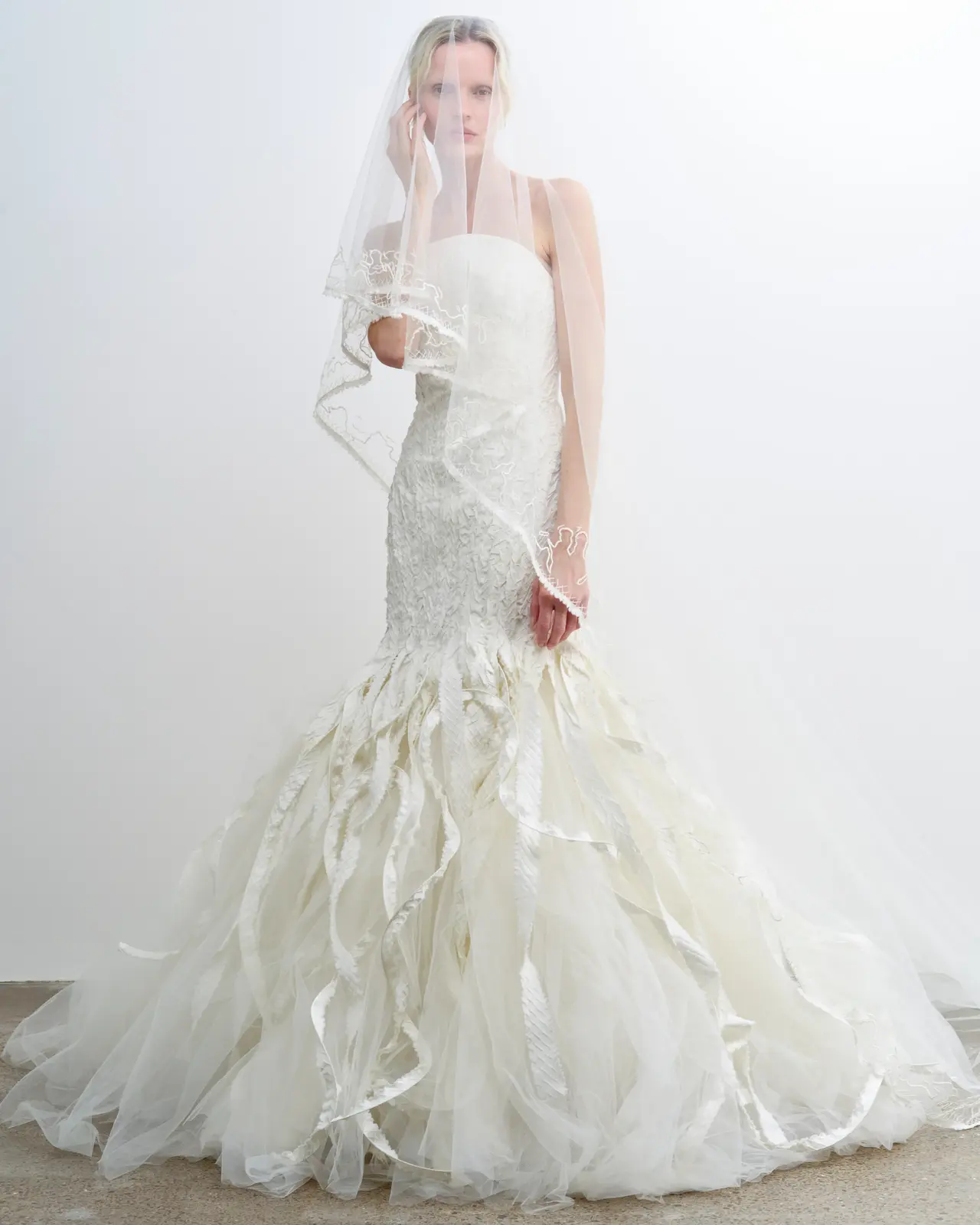 Unexpected Textures Define New York Bridal Fashion Week Trends
 CFDA/Vogue Fashion Fund Winners Chart Future Course
 PoloFest Celebrates Vintage Ralph Lauren in Tokyo
The market for entry-level luxury has expanded significantly in recent years. Brands recognize that younger demographics often prefer smaller, functional pieces over massive statement items. Consequently, many houses now prioritize miniatures and compact designs. These smaller formats require fewer materials, allowing manufacturers to lower production costs. The result is a lower retail price point that remains firmly within the sub-one-thousand-dollar range. Shoppers can acquire authentic designer products without needing to save for months or take out loans.
The primary advantage of these affordable designer options lies in their versatility. A small crossbody bag from Fendi or a structured clutch from Gucci fits easily into daily routines. These items complement professional attire just as well as casual weekend outfits. Unlike larger tote bags, which can be bulky, compact designs offer sleek silhouettes. They do not overwhelm the wearer’s frame. Furthermore, these specific models often feature durable hardware and high-quality leather. This construction ensures the bag maintains its shape and finish over time. Buyers receive a product that feels substantial despite the lower price tag. The aesthetic appeal remains consistent with the brand’s higher-priced collections.
Why Do Smaller Bags Cost Less?
Production economics play a crucial role in pricing. Creating a large bag requires extensive cutting, stitching, and material usage. Smaller bags utilize less leather and fewer internal compartments. This reduction in complexity streamlines the manufacturing process. Additionally, many brands release smaller versions of their iconic shapes as secondary lines. These items often appear in outlet stores or online sales channels. However, they retain the same quality control standards as mainline products. Consumers benefit from this structural efficiency. The lower cost does not imply a drop in craftsmanship. Instead, it reflects a smart allocation of resources by the manufacturer. This approach makes luxury ownership achievable for a broader audience.
The trend toward accessible luxury shows no signs of slowing down. As competition in the fashion industry intensifies, brands continue to innovate their pricing strategies. Consumers should monitor seasonal sales events closely. Discounts on these sub-one-thousand-dollar items can further reduce the final cost. Owning a piece from a major house provides long-term value. It signals taste and awareness without requiring a massive budget. For those entering the world of designer accessories, starting with these efficient, high-quality options is a wise financial move. The balance between affordability and prestige has never been easier to achieve.
Frequently Asked Questions
Are these bags made from the same materials as expensive models? Yes, most entry-level designer bags use similar leathers and hardware. The difference usually lies in size and complexity rather than material quality.
Do these items hold their resale value? Generally, yes. Iconic shapes from major brands retain value well. Smaller sizes are particularly popular in the second-hand market due to their practicality.
Is it better to buy new or used? Buying used can offer significant savings. However, buying new guarantees full warranty coverage. Shoppers should inspect used items carefully for wear and tear.