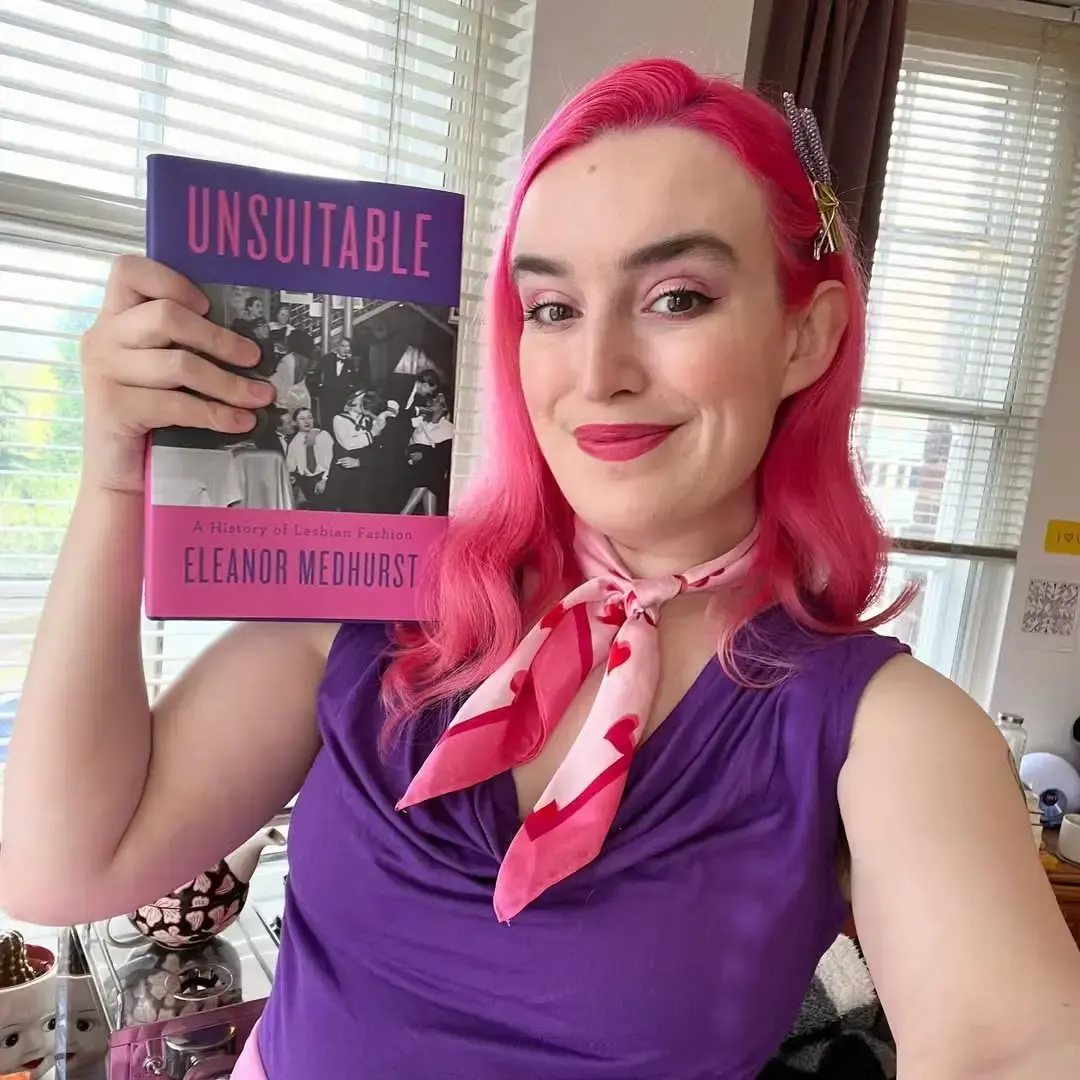
Preserving the Past of Lesbian Fashion
Uncovering Hidden Histories
When Eleanor Medhurst was studying fashion history at the University of Brighton in the late 2010s, conversations about the evolution of lesbian fashion were scarce. The pandemic in 2020 sparked her interest in the often-overlooked subject. Medhurst decided to dig into the history herself, leading to the creation of Dressing Dykes, a platform dedicated to uncovering and preserving the history of lesbian fashion.
Breaking News
 Shoes for a Cure Kicks Off NY Charity Sale with Star Power
 Commando Opens Exclusive Bodysuit Bar at Saks Fifth Avenue Flagship
 Italian Luxury Footwear Steals the Spotlight at Rome Film Festival
 Neiman Marcus Celebrates 100 Years of Holiday Book with Star-Studded Fantasy Gifts Party
Medhurst's platform is a response to the lack of representation in mainstream fashion history. „There's a huge gap in the narrative of fashion history, and it's not just about lesbian fashion, but about queer fashion in general,”she explains. Medhurst's research has taken her to archives, museums, and private collections, where she has uncovered a wealth of information about lesbian fashion. „I've been amazed by the amount of documentation and artifacts that have been left behind,”she says.
What Does the Future Hold?
Medhurst's research has revealed the ways in which lesbian fashion has been shaped by cultural and social norms. „Lesbian fashion has always been a way of expressing identity and challenging societal norms,”she notes. During the 1920s, for example, lesbian women in the United States and Europe adopted masculine styles as a way of rebelling against traditional feminine norms. In the 1970s and 1980s, lesbian fashion became more visible, with the emergence of lesbian bars and clubs.
As Medhurst continues to research and document the history of lesbian fashion, she is also thinking about the future. „I want to create a platform that is not just about the past, but also about the present and the future,”she says. Medhurst hopes to create a community around Dressing Dykes, where people can share their own stories and experiences of lesbian fashion. „I want to create a space where people can come together and celebrate their identity,”she explains.
The consequences of Medhurst's work are far-reaching. By preserving the history of lesbian fashion, she is helping to create a more inclusive and diverse understanding of fashion history. As Medhurst notes, „Fashion history is not just about the clothes, it's about the people who wore them and the stories they tell.” Frequently Asked Questions