Fashion’s Enduring Embrace of the Breastplate
A Symbol Reborn Through the Decades
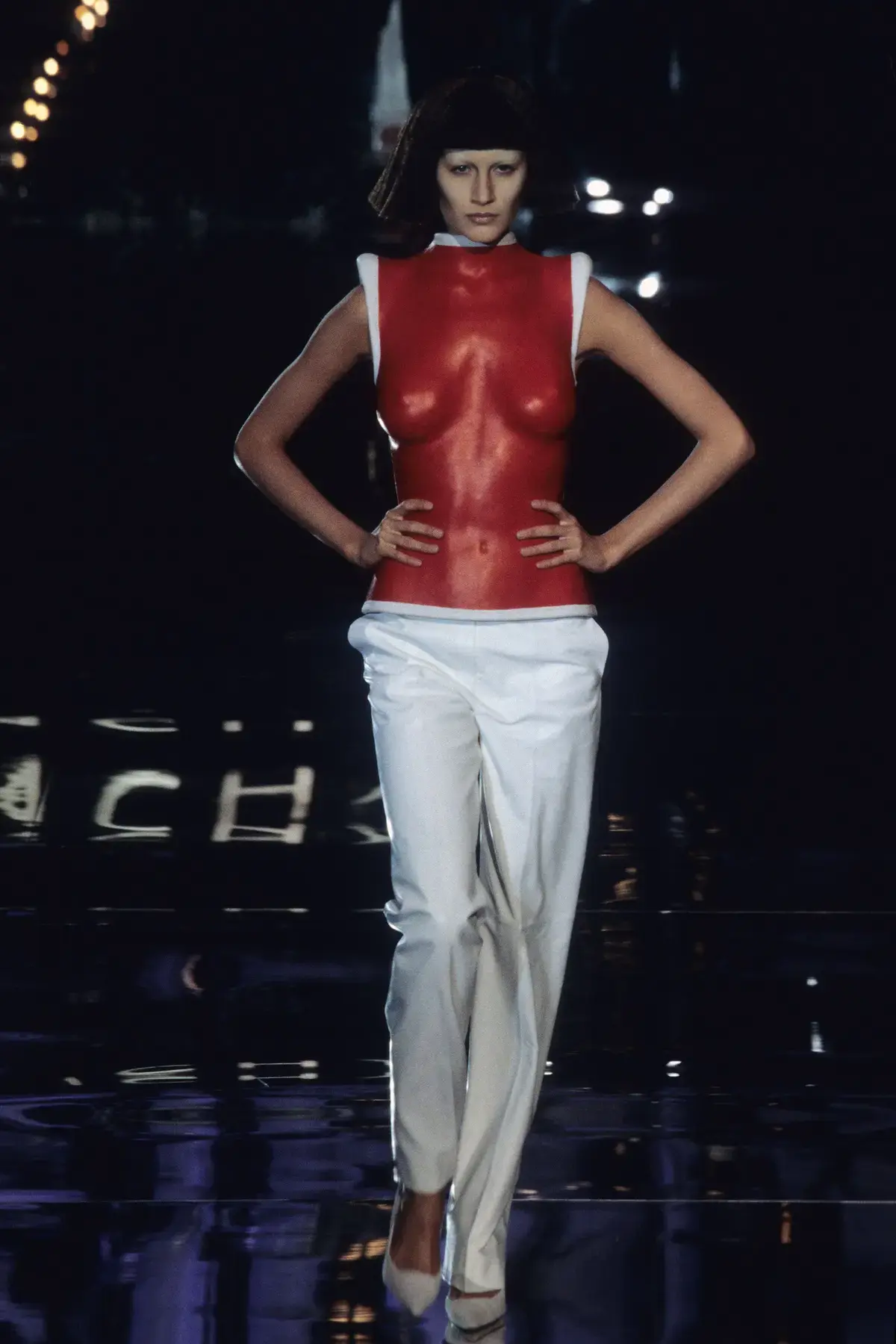
The upcoming 2026 Met Gala, themed „Costume Art,” elevates fashion to the level of fine art. Throughout history, designers have repeatedly returned to the breastplate—a striking garment appearing since 1969. This protective armor has become a recurring motif in high fashion.
Breaking News
 Ecoalf Unveils Salt‑Infused Store on Barcelona’s La Rambla
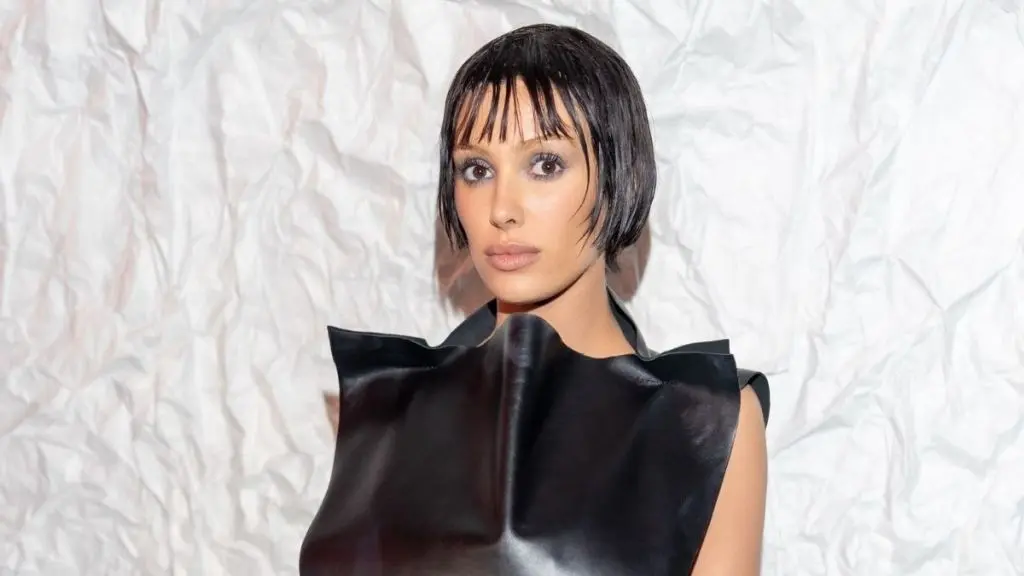 Bianca Censori Opts for Bold Sheer Ensemble During Los Angeles Night Out
 The Best Slippers for Women: Comfort Meets Style
 Nicole Kidman Channels 'Babygirl' Style at Victoria’s Secret Show
The breastplate’s initial surge in popularity occurred during the late 1960s and early 1970s. Designers explored futuristic and often androgynous silhouettes. This mirrored a broader cultural shift questioning traditional gender roles. Early examples weren't literal armor. They were sculpted forms suggesting strength and protection. These designs often used unconventional materials like molded plastic or metal mesh.
The breastplate experienced a revival in the 1980s. Power dressing became a defining trend. Designers like Thierry Mugler incorporated dramatic, sculpted breastplates into their collections. These pieces emphasized the female form, but in a bold, assertive way. They weren’t about demure femininity. They were about projecting confidence and control. The aesthetic aligned with the decade’s emphasis on ambition and success.
Why Does Fashion Keep Returning to Armor?
The trend continued to reappear in subsequent decades. Designers consistently reimagined the breastplate. It evolved from literal interpretations to more abstract representations. Sometimes it manifested as structured bodices or heavily embellished corsets. The core concept—a protective, sculpted front—remained constant.
The breastplate’s enduring appeal lies in its multifaceted symbolism. It represents both vulnerability and strength. It’s a paradox that resonates with designers and wearers alike. Fashion often reflects societal anxieties and aspirations. The breastplate can be seen as a response to feelings of insecurity or a desire for empowerment.
Frequently Asked Questions
The 2026 Met Gala’s focus on „Costume Art” suggests a deeper exploration of fashion’s historical references. The breastplate, with its long and varied history, is a perfect example. It demonstrates how garments can transcend mere functionality. They become powerful statements about identity, gender, and culture. Expect to see innovative interpretations of this classic form on the red carpet. The breastplate’s continued presence confirms its status as a timeless fashion element.
What was the initial inspiration for breastplates in fashion? The earliest designs in the late 1960s were inspired by futuristic aesthetics and a desire to challenge traditional gender norms. Designers sought to create strong, androgynous silhouettes.
How has the breastplate evolved over time? Initially literal armor, the breastplate has transformed into abstract forms. These include structured bodices and embellished corsets. The core idea of a sculpted front remains consistent.