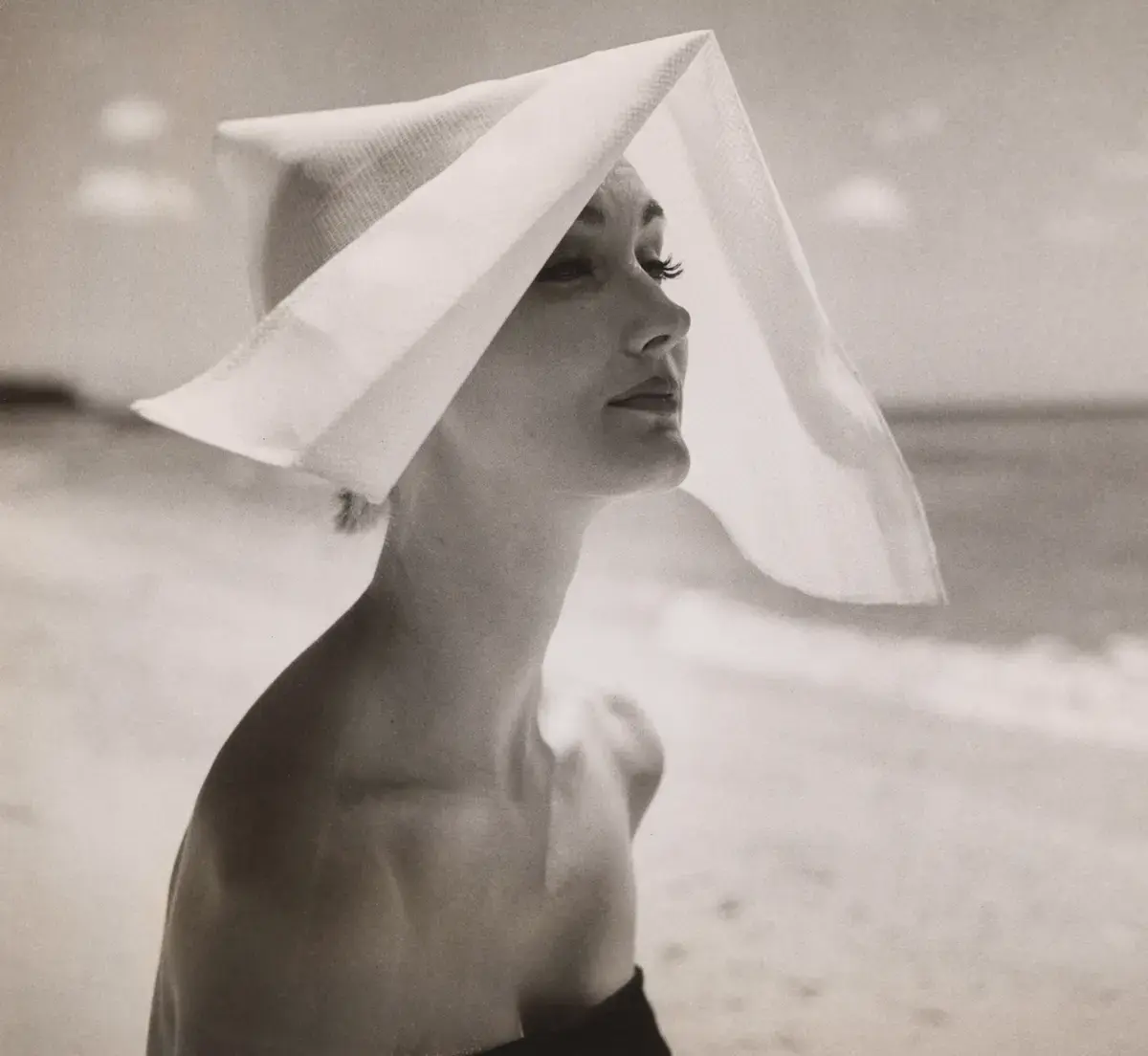
Lillian Bassman: A Fashion Revolutionary Honored
Deconstructing the Fashion Ideal
A major exhibition at The Metropolitan Museum of Art celebrates Lillian Bassman’s groundbreaking photography. Bassman redefined fashion imagery at Harper’s Bazaar. The show opens May 4, 2026, recognizing her previously underappreciated influence. It highlights her innovative work from the 1950s and 60s.
Breaking News
 Shoes for a Cure Kicks Off NY Charity Sale with Star Power
 Commando Opens Exclusive Bodysuit Bar at Saks Fifth Avenue Flagship
 Italian Luxury Footwear Steals the Spotlight at Rome Film Festival
 Neiman Marcus Celebrates 100 Years of Holiday Book with Star-Studded Fantasy Gifts Party
Bassman challenged conventional fashion photography. She moved away from polished studio shots. Instead, she embraced a more raw and emotional aesthetic. Her images often featured blurred motion and unconventional poses. This was a stark contrast to the prevailing style. She aimed to capture a feeling, not just a perfect look.
Bassman joined Harper’s Bazaar in 1948. She began as a model, quickly transitioning to a junior editor. She soon became a photographer, working alongside Richard Avedon. However, her style diverged significantly from his. Avedon favored precise, story-telling images. Bassman preferred ambiguity and suggestion. She believed in leaving space for the viewer’s imagination.
Did She Pave the Way for Modern Photography?
Her photographs weren’t about selling clothes. They were about evoking a mood. She often used long exposures and experimental techniques. This created dreamlike, almost abstract images. Critics initially found her work unsettling. But it quickly gained a devoted following. Bassman’s work resonated with a changing post-war sensibility.
Bassman’s influence extends far beyond Harper’s Bazaar. She anticipated many trends in contemporary photography. Her emphasis on emotion and atmosphere is evident in the work of later photographers. She rejected the idea of a flawless image. This opened the door for more authentic and vulnerable representations.
She largely stepped away from fashion photography in the 1970s. Bassman focused on personal projects and teaching. This period saw a resurgence of interest in her earlier work. Galleries began to exhibit her photographs. Recognition grew slowly but steadily. Now, the Met exhibition solidifies her place in photographic history.
Frequently Asked Questions
The exhibition showcases over 300 photographs. It includes both iconic Harper’s Bazaar images and previously unseen work. It demonstrates Bassman’s artistic vision and technical skill. Her legacy is one of innovation and artistic integrity. Bassman proved that fashion photography could be art.
What made Bassman’s work different? Bassman’s photography stood out due to its emotional depth and unconventional techniques. She favored blurred images and suggestive poses. This contrasted sharply with the polished style of her contemporaries.
Why wasn’t Bassman recognized earlier? Her work challenged established norms. It wasn’t immediately embraced by the fashion industry. She also largely withdrew from the field for a period, delaying wider recognition.