The Modern Evolution of the Wedding Fashion Industry
Beyond Traditional White Gowns
The bridal fashion sector is undergoing a massive transformation as of April 2026. Designers and retailers are navigating a landscape defined by intense competition and digital saturation. As consumer expectations shift toward personalized, high-fashion experiences, brands are forced to innovate rapidly to maintain relevance in an increasingly complex global marketplace.
Breaking News
 Nicole Kidman Channels 'Babygirl' Style at Victoria’s Secret Show
 Sally Perez Brings UCLA Swag to Rocket Dog’s 30‑Year Celebration
 Vans Launches Holiday Collection With Sequins, Plaid and Cozy Upgrades
 Teyana Taylor Elevates Academy Museum Gala with Schiaparelli Couture Breastplate
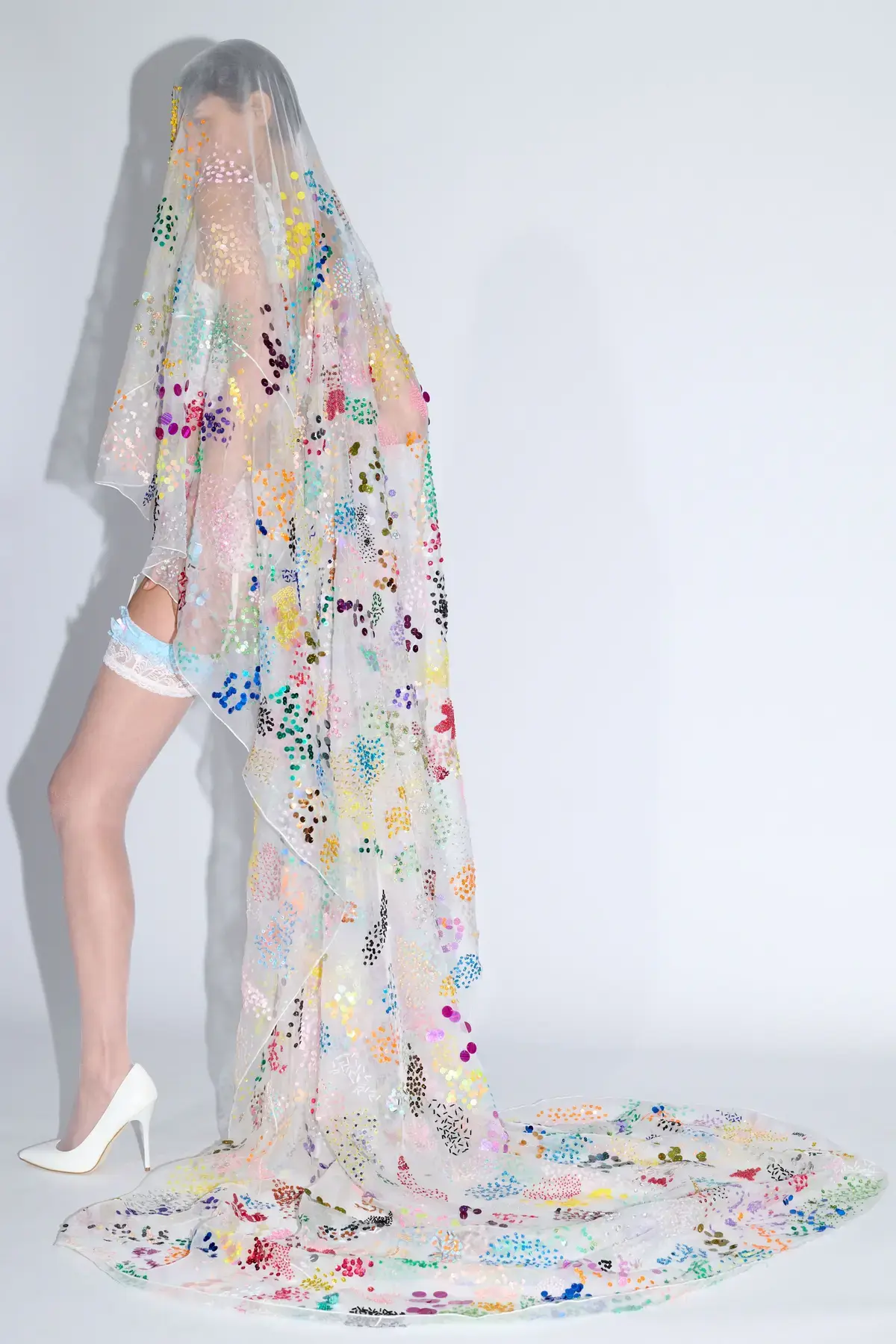
Traditional wedding attire is no longer the sole focus for modern couples. The industry is currently witnessing a surge in experimental designs, with luxury labels like Ashish leading the charge. These collections prioritize artistic expression over conventional silhouettes, catering to a generation that views their wedding day as a primary vehicle for personal branding and unique style.
Modern brides are increasingly rejecting the standard, cookie-cutter approach to wedding fashion. Retailers report a significant uptick in demand for versatile pieces that can be worn beyond the ceremony. This shift reflects a broader desire for sustainability and long-term value, pushing designers to rethink how they construct garments for the altar.
Is the Market Becoming Too Saturated for New Designers?
Digital platforms have fundamentally altered the path to purchase. Social media algorithms now dictate trends, forcing boutique owners to maintain a constant, curated online presence. While this digital visibility offers massive reach, it also creates a crowded environment where standing out requires more than just a beautiful dress; it requires a compelling narrative.
The sheer volume of bridal content online creates a barrier for entry for emerging talent. Established houses are leveraging their heritage, while smaller brands struggle to cut through the noise. This environment favors those who can balance high-end craftsmanship with a digital strategy that feels authentic rather than purely transactional.
Frequently Asked Questions
The industry outlook remains optimistic but demanding. Brands that fail to adapt to the intersection of digital convenience and bespoke luxury will likely lose market share. Success in 2026 requires a deep understanding of the modern couple’s desire for individuality, ensuring that every garment tells a story that resonates in a digital-first world.
What is driving the change in bridal fashion trends? Couples are increasingly prioritizing personal expression and unique style over traditional norms. This shift is pushing designers to create versatile, high-fashion pieces rather than standard wedding attire.
How does digital saturation affect the bridal industry? The constant influx of content on social media makes it difficult for new brands to gain visibility. To succeed, designers must now pair exceptional craftsmanship with a strong, authentic digital narrative.