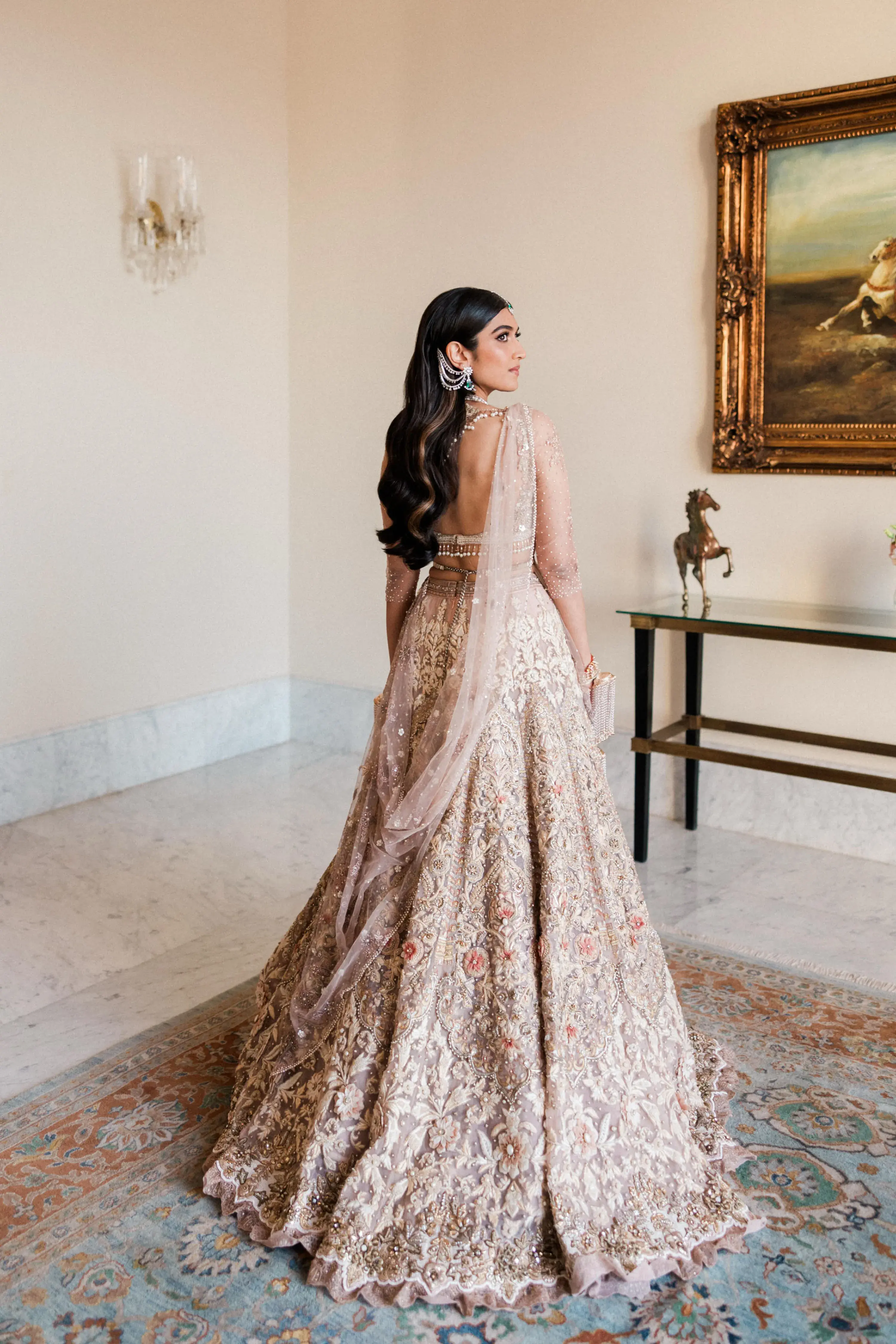
Indian Wedding Stylists Who Are Shaping Luxury Brand Partnerships
The Power Brokers Behind the Bridal Curtain
The Indian wedding market is booming, with couples spending an average of $150,000 on ceremonies that span weeks. Luxury fashion houses are racing to tap this spending power, but they must first win over a small circle of elite stylists who design the most lavish bridal looks. These stylists, based in Mumbai, Delhi and Hyderabad, command the attention of top designers and dictate which brands appear on the grandest stages.
Breaking News
 Top Face Sunscreens That Protect Without the Greasy Feel
 Lightweight Foundations Transform Makeup for Aging Skin
 Gabriela Moura’s 4:30 AM Routine Before Walking the VSFS 2026 Runway
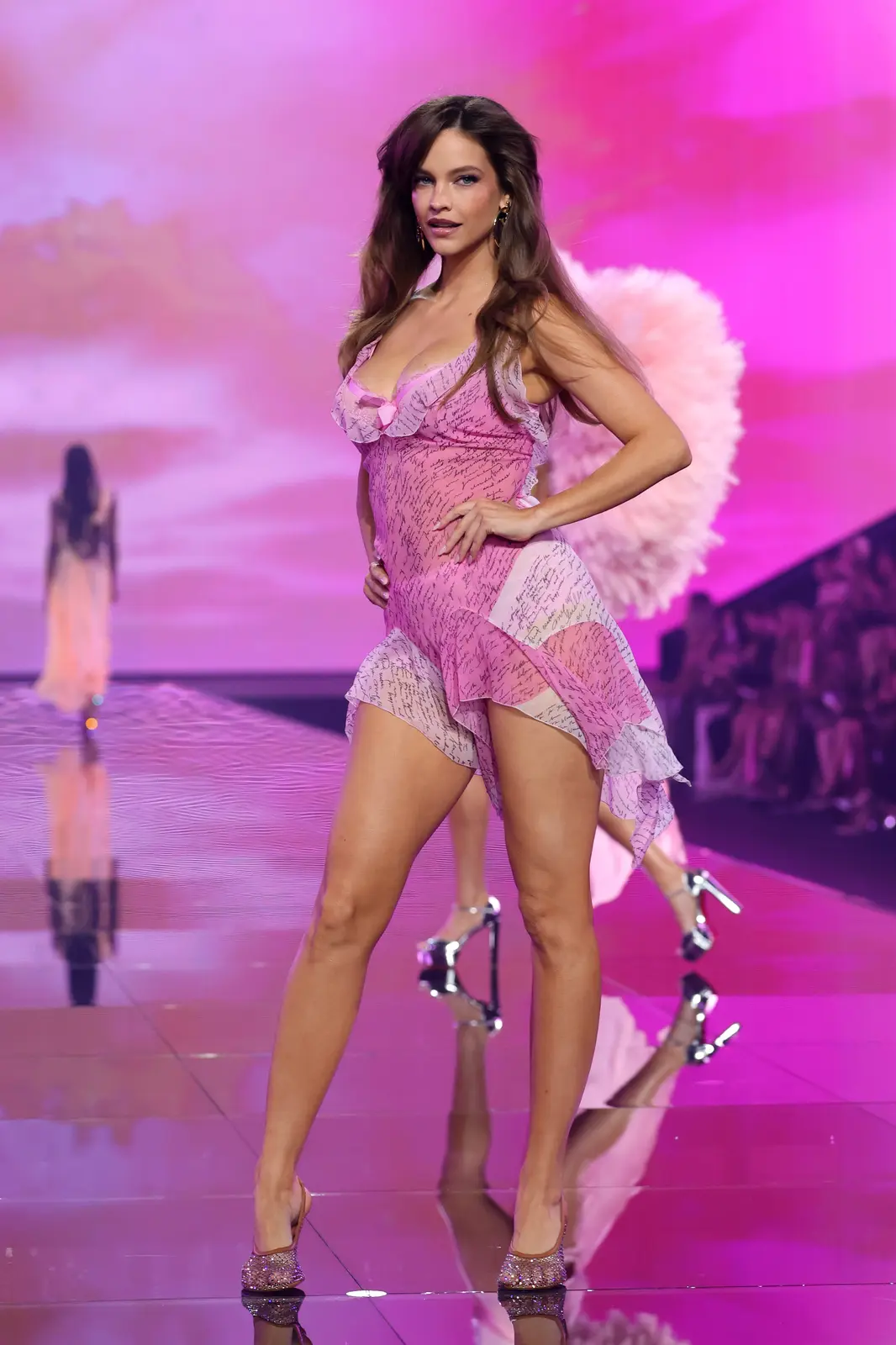 Supermodel Barbara Palvin's Victoria's Secret comeback sparks maternity leave debate
The surge in high‑end wedding spending has prompted brands like Dior, Chanel and Louis Vuitton to send dedicated teams to India. They aim to secure placements in the elaborate pre‑wedding shoots, mehndi parties and the main ceremony. To do so, they rely on stylists who understand the cultural nuances and can blend Western couture with traditional Indian aesthetics. The stylists’ influence extends beyond clothing; they curate jewellery, accessories and even décor, creating immersive brand experiences that resonate with affluent Indian families.
Stylists such as Ananya Mehta, Rohan Kapoor and Priya Singh have become indispensable to luxury houses. Mehta, who began her career as a makeup artist, now leads a boutique styling firm that collaborates with over 30 international brands each season. „A bride’s vision is a canvas,” she explains, „and our job is to paint it with the right label, color and story.”
Why Are Luxury Brands Obsessed With Indian Weddings?
Rohan Kapoor, known for his bold fusion of streetwear and classic Indian silhouettes, recently orchestrated a wedding where a Louis Vuitton sari stole the show. The designer’s team reported a 40 % spike in online traffic from India after the event, underscoring the commercial payoff of these collaborations. Priya Singh, celebrated for her minimalist approach, has turned down several high‑profile brand offers, insisting that authenticity must guide any partnership. „If a brand doesn’t respect the ritual, it will never work,” she says.
These stylists operate like talent agents, negotiating fees that can reach six figures per wedding. Their networks include celebrity photographers, top‑tier venues and elite jewellery houses, making them the gatekeepers of a multi‑billion‑dollar industry.
The question on every marketer’s mind is: why pour resources into a market that is still largely seasonal? The answer lies in the sheer scale of spending and the media amplification that follows. Indian weddings are streamed on social platforms, featured in glossy magazines and dissected by influencers worldwide. A single wedding can generate millions of impressions for any brand featured.
What Does This Trend Mean for the Future of Indian Weddings?
Data from the Confederation of Indian Industry shows that luxury wedding spend grew 22 % year‑on‑year in 2025, outpacing overall luxury retail growth. Brands see this as a gateway to a younger, affluent demographic that values experiential luxury over mere ownership. By aligning with top stylists, they gain credibility and cultural relevance that traditional advertising cannot provide.
The partnership model is evolving. Some brands now offer exclusive collections designed in collaboration with stylists, while others sponsor entire wedding segments, from the sangeet to the reception. This deep integration ensures that the brand narrative is woven into the ceremony’s emotional core, creating lasting brand loyalty among the bride’s extended family and social circle.
As stylists continue to command higher fees and wield greater influence, the line between personal celebration and brand showcase will blur further. Expect more bespoke collections, higher price points and an increase in cross‑border collaborations. While this could elevate the creative standards of Indian weddings, it also risks turning intimate traditions into commercial spectacles.
The industry’s trajectory suggests that luxury brands will deepen their investment, possibly establishing permanent Indian creative hubs. Stylists, in turn, may become formalized as brand ambassadors, with contracts that extend beyond a single event. The balance between cultural authenticity and commercial ambition will define the next decade of Indian matrimonial extravagance.
Frequently Asked Questions
How much do top Indian wedding stylists charge? Fees vary widely, but leading stylists often command between $80,000 and $200,000 per wedding, covering design, sourcing and coordination.
Which luxury brands are most active in Indian weddings right now? Dior, Chanel, Louis Vuitton, Gucci and Hermès have dedicated Indian liaison teams and regularly feature in high‑profile weddings.
Will this focus on luxury affect traditional wedding customs? The influx of high‑end brands can shift emphasis toward lavish displays, but many stylists strive to preserve core rituals, blending modern luxury with time‑honored practices.