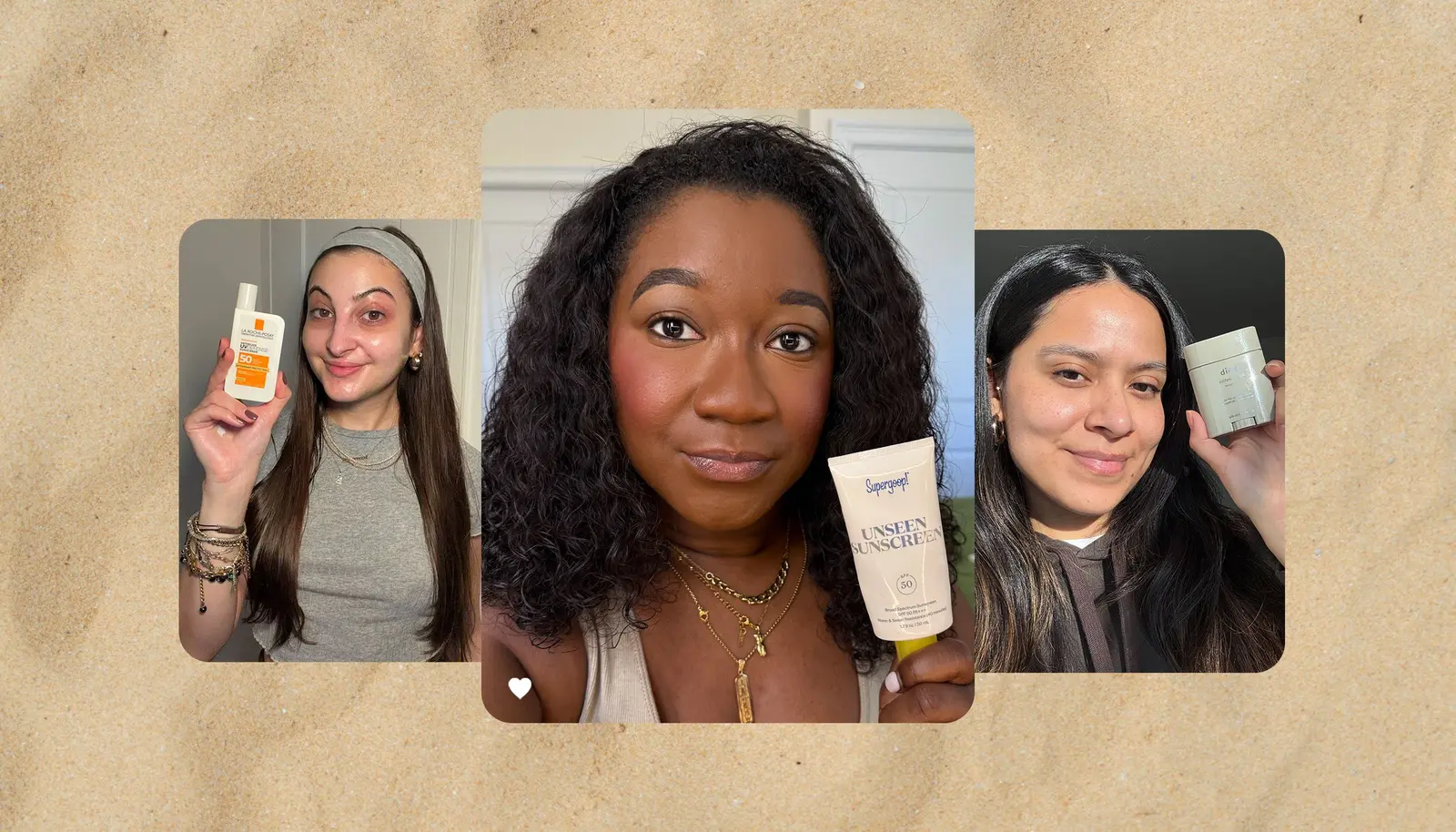
Top Face Sunscreens That Protect Without the Greasy Feel
What Makes a Sunscreen Truly Multi-Tasking?
Choosing the right facial sunscreen can transform your daily skincare routine, offering more than just UV protection. Dermatologists emphasize that effective sunscreens now combine broad-spectrum coverage with ingredients like antioxidants, hyaluronic acid, and vitamin C to address multiple skin concerns simultaneously.
Breaking News
 The 6 Biggest Wedding Dress Trends From New York Bridal Fashion Week Fall 2027
 Kate Middleton Adds Quilted Chanel Bag to Her Royal Wardrobe
 New York Bridal Fashion Week Fall 2027 Showcases Traditional Gowns and Avant-Garde Designs
 Quinta Brunson Shows Off Three Stylish Looks During Abbott Elementary NYC Promotion
These advanced formulas prevent sunburn while also fighting free radical damage, hydrating dry skin, and reducing the appearance of dark spots and dullness. The key lies in lightweight textures that absorb quickly without leaving a heavy or greasy residue.
Modern facial sunscreens incorporate active ingredients beyond traditional UV filters. Antioxidants such as vitamin E and green tea extract neutralize free radicals generated by sun exposure. Hyaluronic acid provides long-lasting hydration, while niacinamide helps even skin tone and reduce inflammation. Vitamin C brightens the complexion and boosts collagen production.
Are Chemical or Mineral Formulas Better for Daily Use?
Dr. Ava Shamban, a board-certified dermatologist, notes that patients are more likely to use sunscreen consistently when it doubles as a treatment product. When sunscreen feels good and delivers visible results, compliance skyrockets,she explains.
The answer depends on individual skin types and preferences. Mineral sunscreens containing zinc oxide or titanium dioxide sit on the skin's surface, providing immediate protection upon application. They're often better tolerated by sensitive skin but may leave a white cast.
Chemical sunscreens absorb into the skin and typically offer a more cosmetically elegant finish. However, they require about 15 minutes before sun exposure to activate fully. For daily facial use, many derms recommend mineral options for their gentle nature and immediate effectiveness.
Key Considerations When Shopping
Both types now come in non-greasy formulations specifically designed for the face. Gel-based and fluid textures have replaced heavy creams, making sunscreen application feel like a light moisturizer.
Look for products labeled broad spectrumwith SPF 30 or higher. Water-resistant formulas maintain protection during sweating but aren't waterproof. For facial application, consider whether you prefer a matte finish or subtle glow.
Application amount matters significantly—most people under-apply sunscreen. A nickel-sized dollop covers the face adequately. Reapplication every two hours during sun exposure remains essential, though many modern formulas work well under makeup for touch-ups.
The market continues evolving with innovative delivery systems. Spray sunscreens offer convenience, while stick formulations target delicate eye areas safely.
Outlook and Long-term Benefits
Consistent daily sunscreen use represents the gold standard in preventive skincare. Studies show regular application reduces skin cancer risk by up to 50 percent and prevents premature aging signs including wrinkles and pigmentation changes.
As consumers become more ingredient-aware, demand grows for transparent labeling and multifunctional products. Future formulations may incorporate DNA repair enzymes and probiotics alongside traditional sun protection.
The best sunscreen remains the one you'll use every day. Finding a facial formula that feels comfortable and delivers additional skincare benefits ensures long-term commitment to sun protection.
Frequently Asked Questions
How much sunscreen should I apply to my face? Use approximately one nickel-sized amount to cover your entire face, including ears and neck. Most people apply only 25 to 50 percent of the recommended amount, reducing effectiveness significantly.
Can I wear sunscreen indoors? Yes, especially if you're near windows since UVA rays penetrate glass. Additionally, blue light from screens may cause skin damage, making daily indoor sunscreen application beneficial for comprehensive protection.
When should I reapply facial sunscreen? Reapply every two hours during direct sun exposure or immediately after swimming or excessive sweating. For indoor days, a single morning application suffices unless you're using acne treatments that increase sun sensitivity.