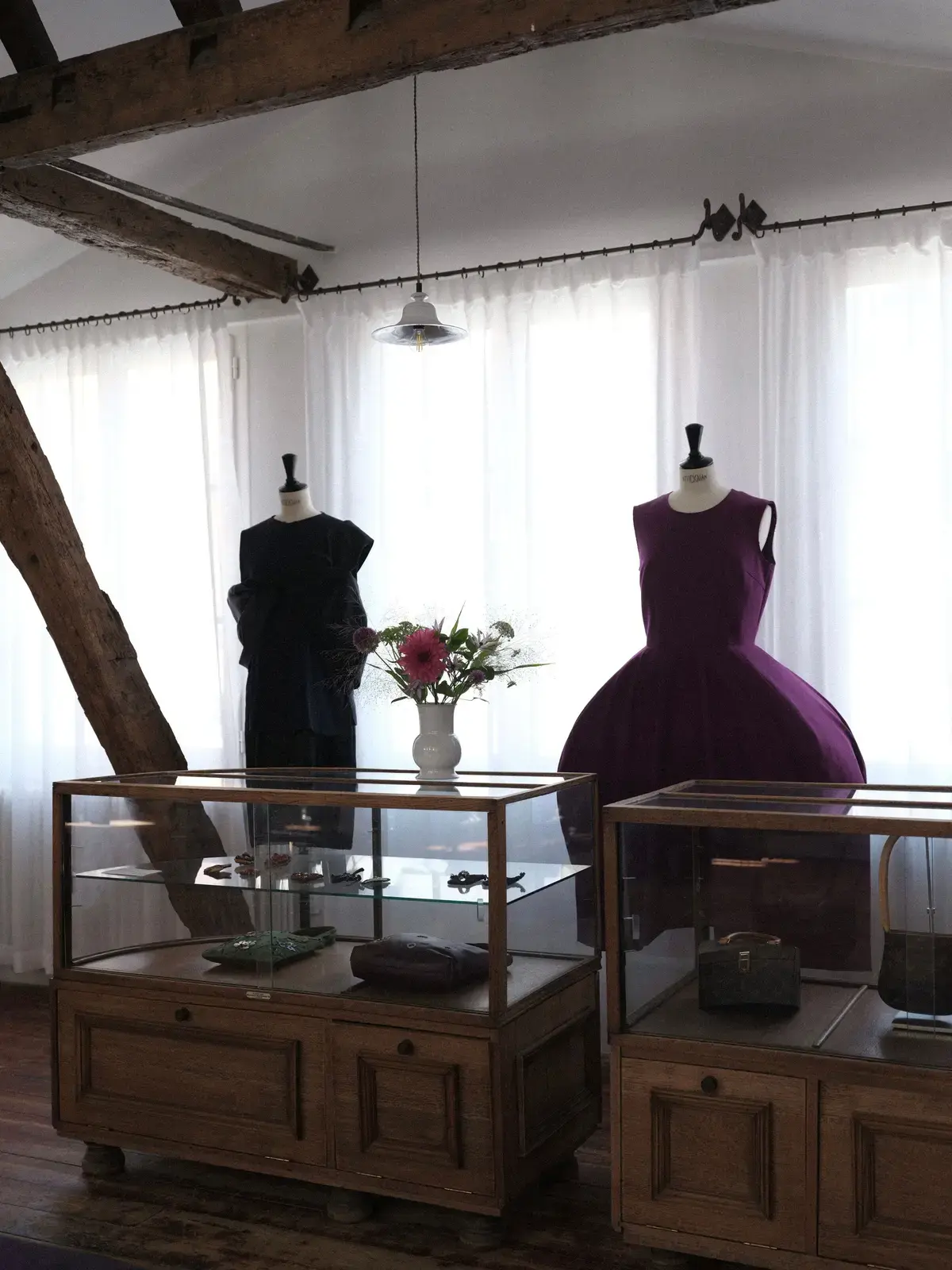
A Visit to 1988, the Paris Vintage Store That Is Also a Lending Library and Designer Resource
How Garments and Texts Inform Each Other
Nestled in the heart of Paris, 1988 has emerged as a distinctive destination blending vintage fashion, literary access, and creative collaboration. Opened recently, the space functions as both a curated clothing archive and a lending library, inviting visitors to explore garments alongside books that inspire design thinking. Located in a quiet arrondissement, it draws stylists, students, and fashion enthusiasts seeking tangible connections to past eras through fabric and text.
Breaking News
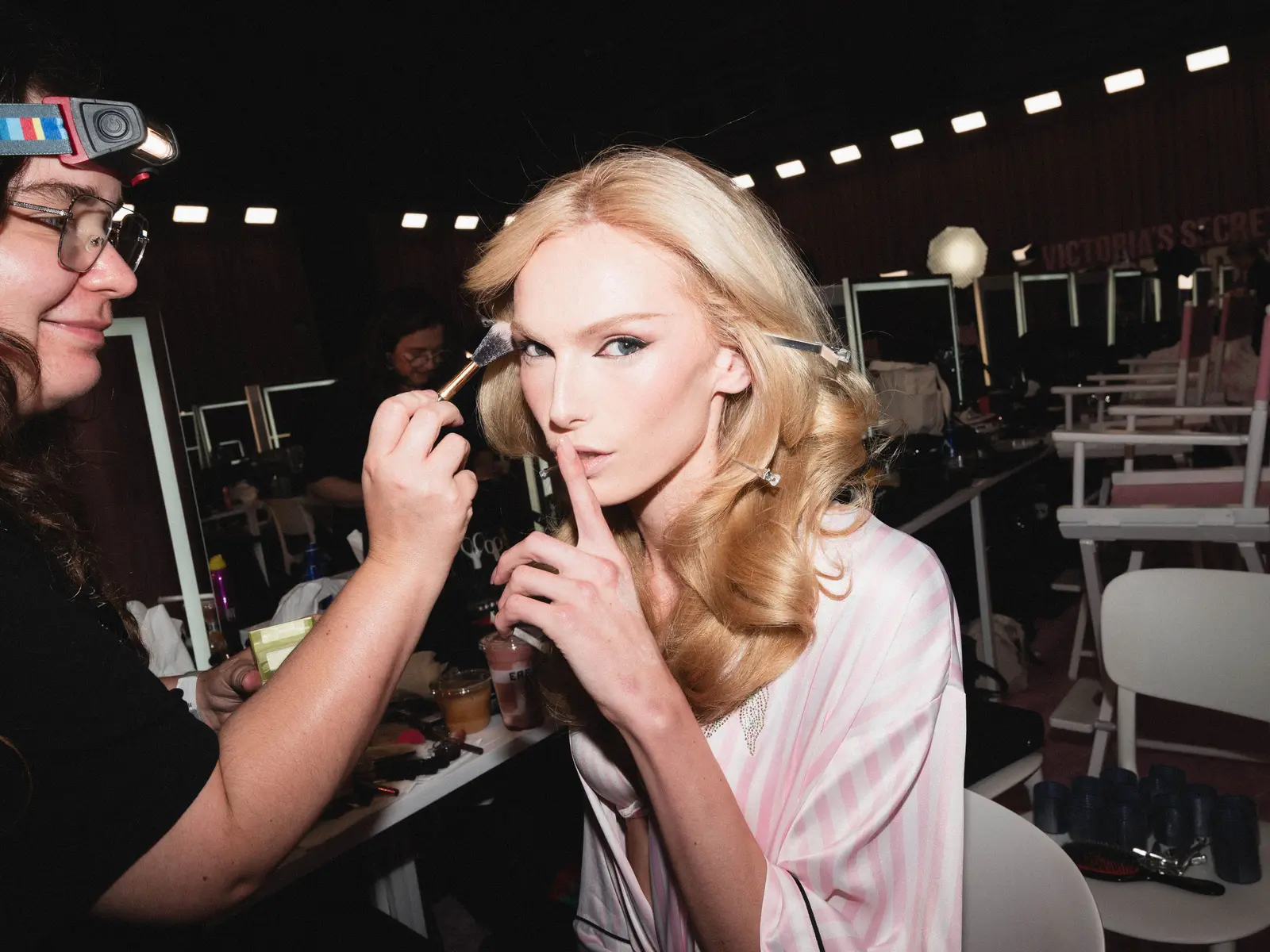 Alex Consani Prepares for Third Victoria's Secret Fashion Show Appearance
 Jack Innanen Stars in Banana Republic's New Comedy Campaign 'The Agency
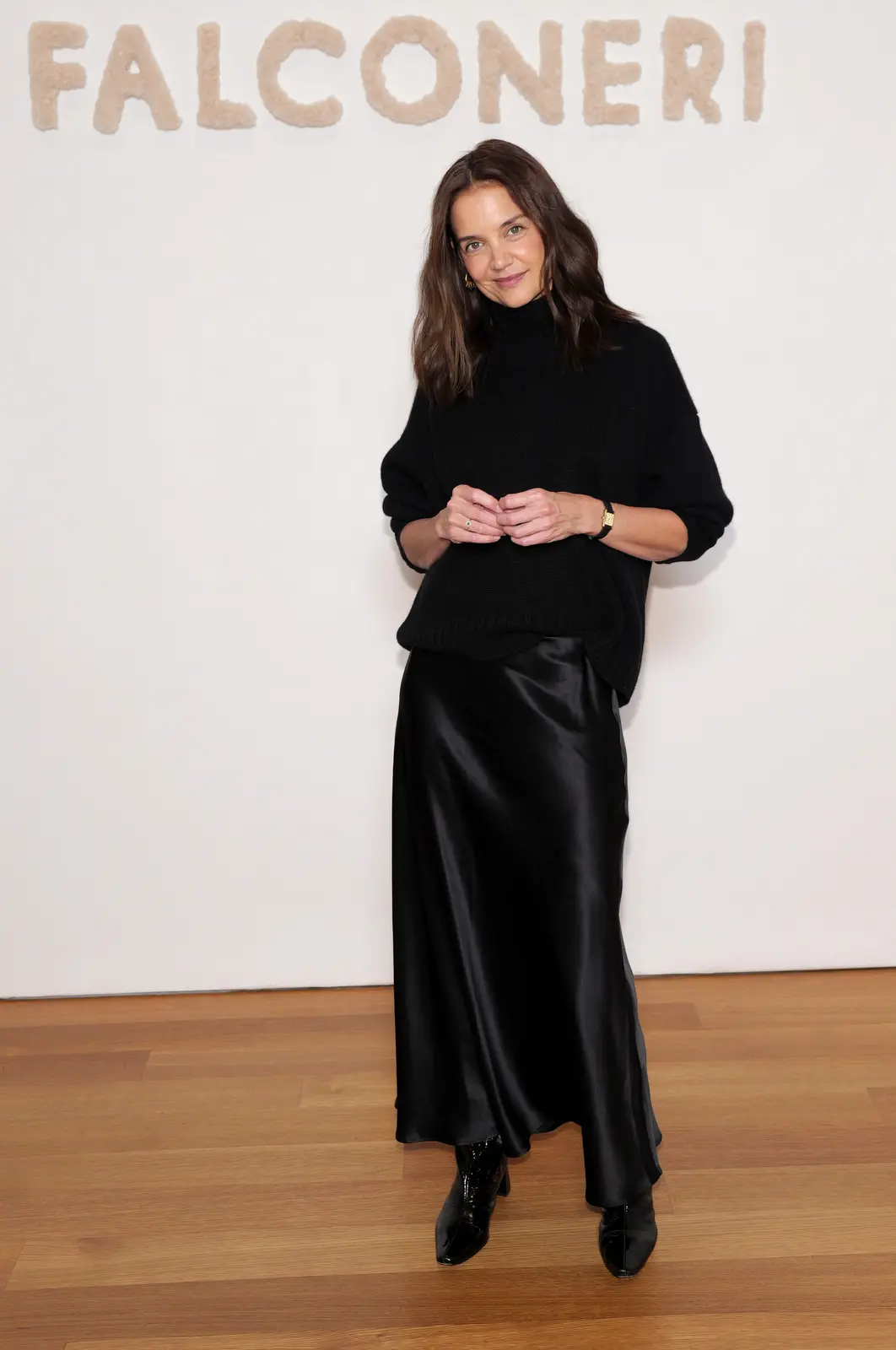 Katie Holmes Shines in Sequin Skirt at London Fashion Event
 From the Runway to the Red Carpet, Has the Clear Shoe Trend Gone Too Far?
The concept behind 1988 stems from a desire to bridge material culture with intellectual exploration. Founders envisioned a place where a 1990s silk blouse could be borrowed not just to wear, but to study alongside a monograph on minimalism or a feminist theory text from the same period. Items are carefully selected for their historical significance and design merit, with rotations reflecting seasonal themes or cultural moments. The lending model encourages thoughtful engagement rather than consumption, allowing users to return pieces after a set period, much like a traditional library.
What Happens When Fashion Becomes Borrowable?
At 1988, clothing is displayed with accompanying reading suggestions that contextualize its era. A vintage Chanel jacket might sit beside Simone de Beauvoir’s writings, while 1980s power suits are paired with texts on gender and labor. This curation invites visitors to consider fashion as a language shaped by social movements. Staff note that many users come not to borrow for events, but to research specific silhouettes, fabrics, or cultural references for personal projects or academic work. The inventory includes pieces from designers like Rei Kawakubo, Martin Margiela, and early works from now-iconic houses, all authenticated and preserved with care.
The lending library model challenges conventional ideas of ownership in fashion. By treating garments as temporary resources rather than possessions, 1988 promotes sustainability and deeper appreciation. Users must register and follow care guidelines, ensuring items remain in condition for future borrowers. Early feedback indicates strong interest from design students who lack access to archival materials, as well as professionals seeking inspiration outside digital archives. The space also hosts occasional workshops and talks, further integrating its dual role as retail and educational venue.
What types of items can be borrowed from 1988? Visitors can borrow vintage clothing and accessories from the late 20th century, including dresses, jackets, and bags, all selected for design quality and historical relevance. Each item comes with a suggested reading list to enhance contextual understanding.
Frequently Asked Questions
How long can items be kept, and what is the borrowing process? Borrowing periods typically range from one to four weeks, depending on the item. Users must register online or in person, provide identification, and agree to handle garments with care, returning them cleaned if specified.
Is there a fee to use the lending library or access the store? Access to browse the space is free, but borrowing items involves a modest membership or deposit fee, which varies by item type and duration. Fees support maintenance, cleaning, and inventory rotation.