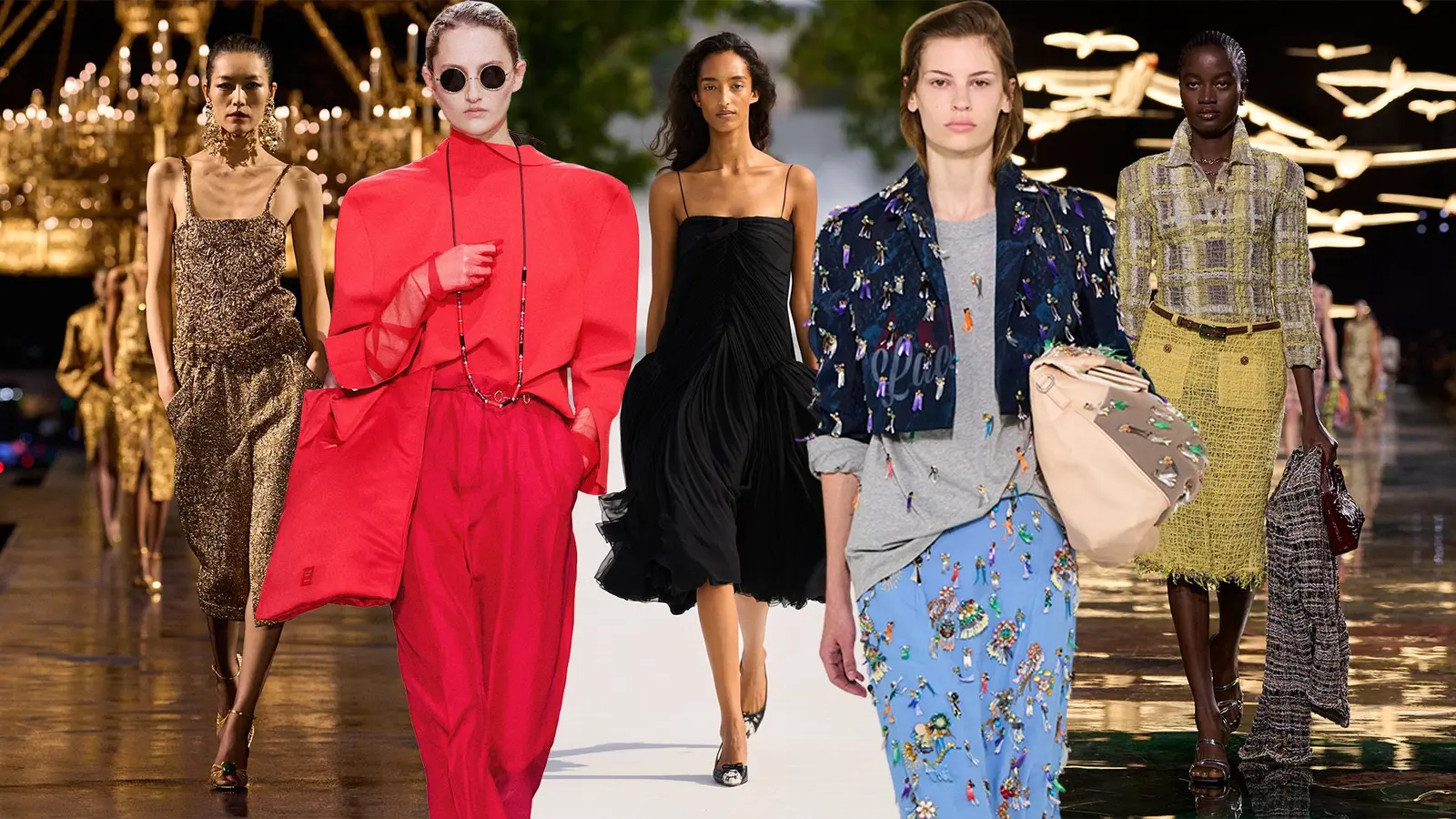
Paris Fashion Week Signals a Bold Return to Playful Dressing
How Did Minimalism Lose Its Grip on the Runways?
Designers across Paris embraced vibrant prints, ornate details, and joyful styling during the recent shows, marking a clear departure from years of minimalist aesthetics. The shift was evident in collections presented by Dries Van Noten, Celine, and Chanel, where creativity and individuality took center stage. This change reflects a broader cultural move toward self-expression through clothing after prolonged periods of restraint.
Breaking News
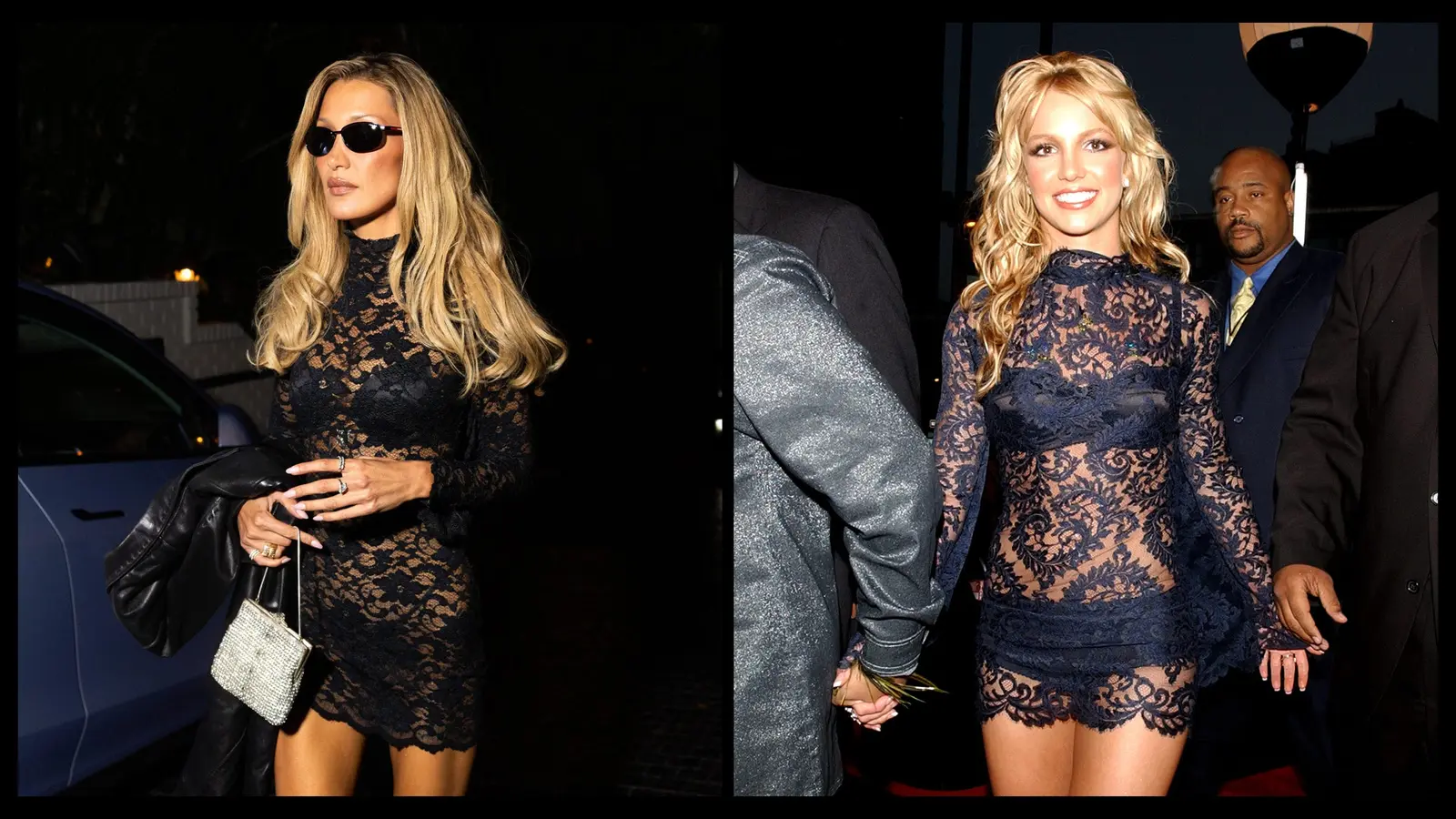 Bella Hadid Recreated Britney Spears's iconic VMAs Dress for the Victoria's Secret After Party
 Bridal Couture Sets New Standards at New York Fashion Week
 Fall Manicure Trends: 7 Simple Ways to Refresh Your Look
 Durango Expands Beyond Boots with New Apparel and Accessories Licenses
Julian Klausner’s work at Dries Van Noten featured whimsical, intricate prints that transformed everyday silhouettes into artistic statements. At Celine, Michael Rider adopted an irreverent approach, mixing unexpected textures and proportions to challenge traditional luxury codes. Meanwhile, Matthieu Blazy at Chanel amplified the house’s signature elegance with exuberant embellishments, turning tweed and pearls into celebratory canvases. Together, these visions signaled a renewed belief in fashion as a form of play rather than mere function.
What Does This Mean for Everyday Style in 2027?
The retreat from minimalism did not happen overnight but followed seasons of muted tones, strict tailoring, and a focus on quiet luxury that dominated post-pandemic collections. Designers began to feel constrained by the uniformity of understated style, seeking instead to inject personality and narrative into their work. As one backstage observer noted, „There was a collective sigh of relief when color and texture returned—it felt like fashion remembered how to smile.” This emotional shift was mirrored in audience reactions, with front-row guests responding more energetically to shows that prioritized surprise and delight.
The exuberance seen on Paris runways is expected to trickle down into mainstream fashion through accessories, layered styling, and bolder color choices in retail collections by late 2026. While full embellished looks may remain niche, the underlying ethos—dressing for pleasure, not just practicality—is likely to influence how consumers approach their wardrobes. Retailers are already experimenting with mix-and-match separates that echo the playful layering seen at Celine, suggesting a lasting impact beyond the runway.
Was this shift influenced by social or cultural trends? Yes, the return to expressive fashion aligns with a broader cultural desire for optimism and individuality following years of global uncertainty and digital saturation.
Frequently Asked Questions
Will minimalism disappear completely from fashion? No, minimalism remains a valid aesthetic, but it is no longer the dominant force it once was, making space for multiple coexisting styles.
How quickly will these trends reach consumers? Elements like bold prints and textured fabrics are expected to appear in mass-market stores by early 2027, with luxury adaptations arriving sooner.