
TENCEL Lyocell’s Coarser Variant Gives Denim a Rugged Look in Freeform Collection
How the New Fiber Changes Denim Manufacturing
Lenzing Group has unveiled a new variant of its TENCEL Lyocell fiber, designed specifically for denim production. The Freeform collection introduces a coarser texture that delivers a rugged, durable aesthetic. This innovation targets the growing demand for sustainable yet tough denim fabrics.
Breaking News
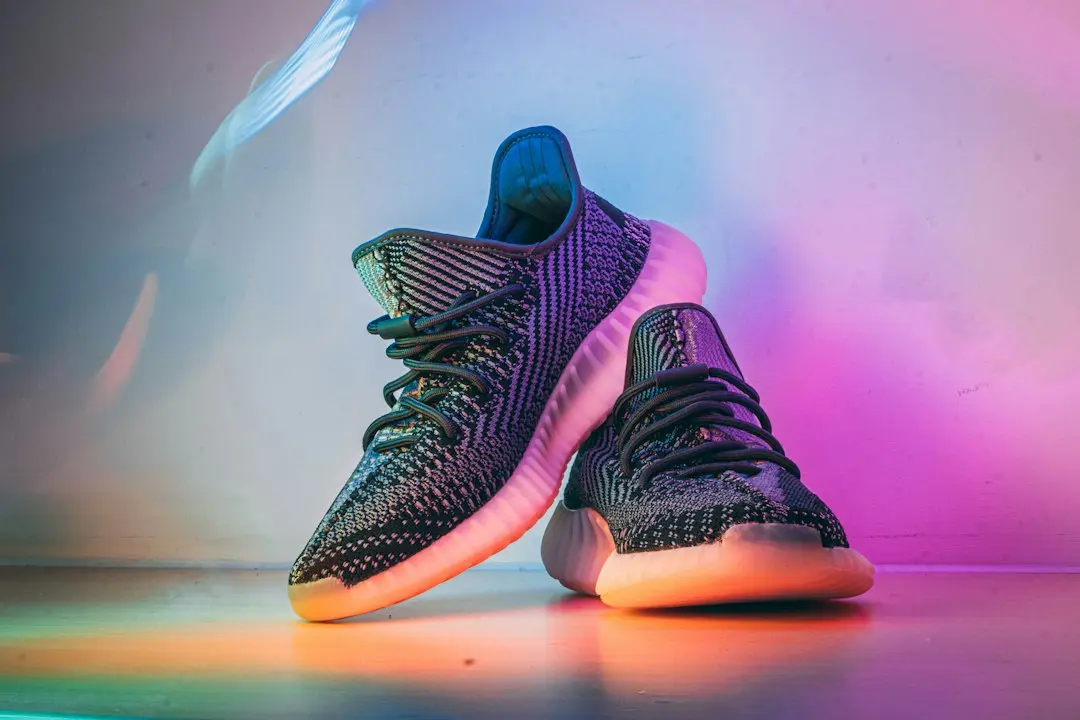 Shoes for a Cure Kicks Off NY Charity Sale with Star Power
 Commando Opens Exclusive Bodysuit Bar at Saks Fifth Avenue Flagship
 Italian Luxury Footwear Steals the Spotlight at Rome Film Festival
 Neiman Marcus Celebrates 100 Years of Holiday Book with Star-Studded Fantasy Gifts Party
Standard TENCEL Lyocell is known for its fluid drape and silky touch. The new Freeform variant shifts the focus toward structure and resilience. Lenzing states that innovation drives their product development. They continue to explore new applications for the fiber.
Why Denim Brands Are Paying Attention
The coarser variant alters the weaving process. It creates a fabric with more body and less drape. This suits jeans and workwear. Brands seeking a rugged look can now source this fiber directly. The change also affects dyeing and finishing. Manufacturers report that the coarser structure holds color better.
Sustainability remains a core selling point. TENCEL Lyocell is made from renewable wood pulp. The new variant maintains this eco-friendly profile. It also meets the demand for durable denim. Fashion houses and mass-market brands are evaluating the fiber. Early feedback highlights its balance of softness and strength.
Is the Freeform variant only for denim? No, but denim is the primary target. The coarser texture suits rugged apparel. Other applications may follow.
Frequently Asked Questions
How does it compare to standard Lyocell? Standard Lyocell is smooth and fluid. Freeform is coarser and more structured. This makes it ideal for jeans.
Is it more expensive? Pricing depends on the supplier. Generally, specialty variants cost more. Brands weigh cost against performance benefits.