
Sole Food: Why Are We So Obsessed With Shoes Named After Food?
What Drives the Appeal of Edible-Inspired Sneakers?
Reebok recently launched a collaboration with Reese's featuring peanut butter cup-inspired sneakers worn by basketball star Angel Reese, while adidas unveiled Samba models drawing visual cues from cannoli pastries. These releases reflect a growing trend where major sneaker brands translate beloved foods into limited-edition footwear designs, blending snack culture with streetwear aesthetics. The phenomenon spans social media buzz, celebrity endorsements, and rapid sell-outs across global markets.
Breaking News
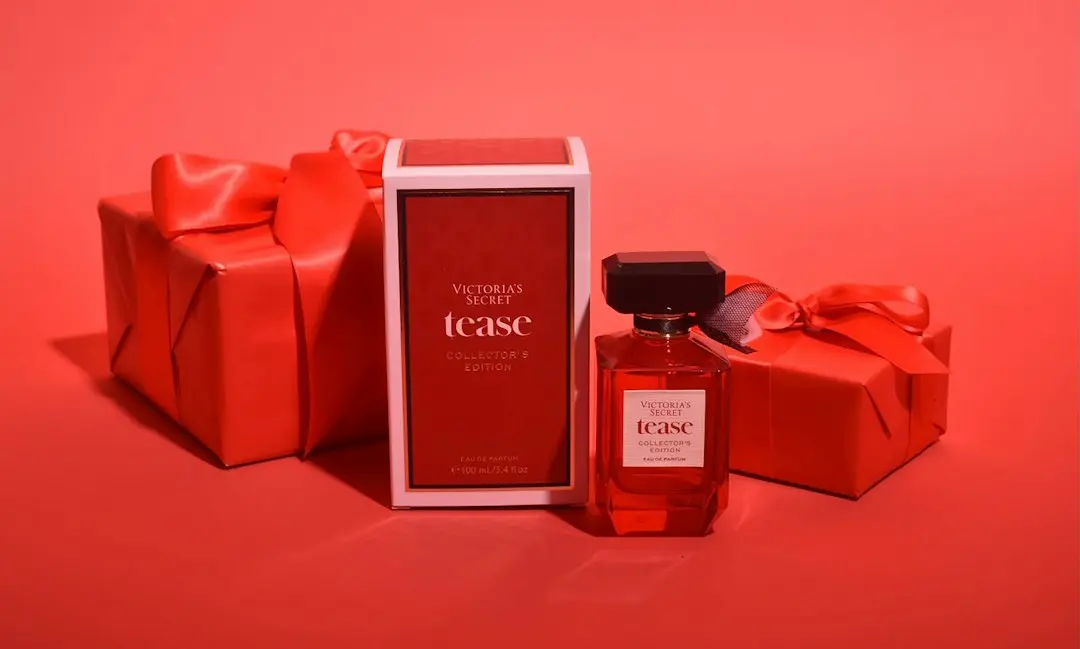 Victoria's Secret Fashion Show Performers Embrace Angelic Manicures Theme
 Breaking Down the Best Angel Beauty at Victoria’s Secret Fashion Show 2026
 Irina Shayk Stuns in Sheer Red Pants at Victoria’s Secret After-Party
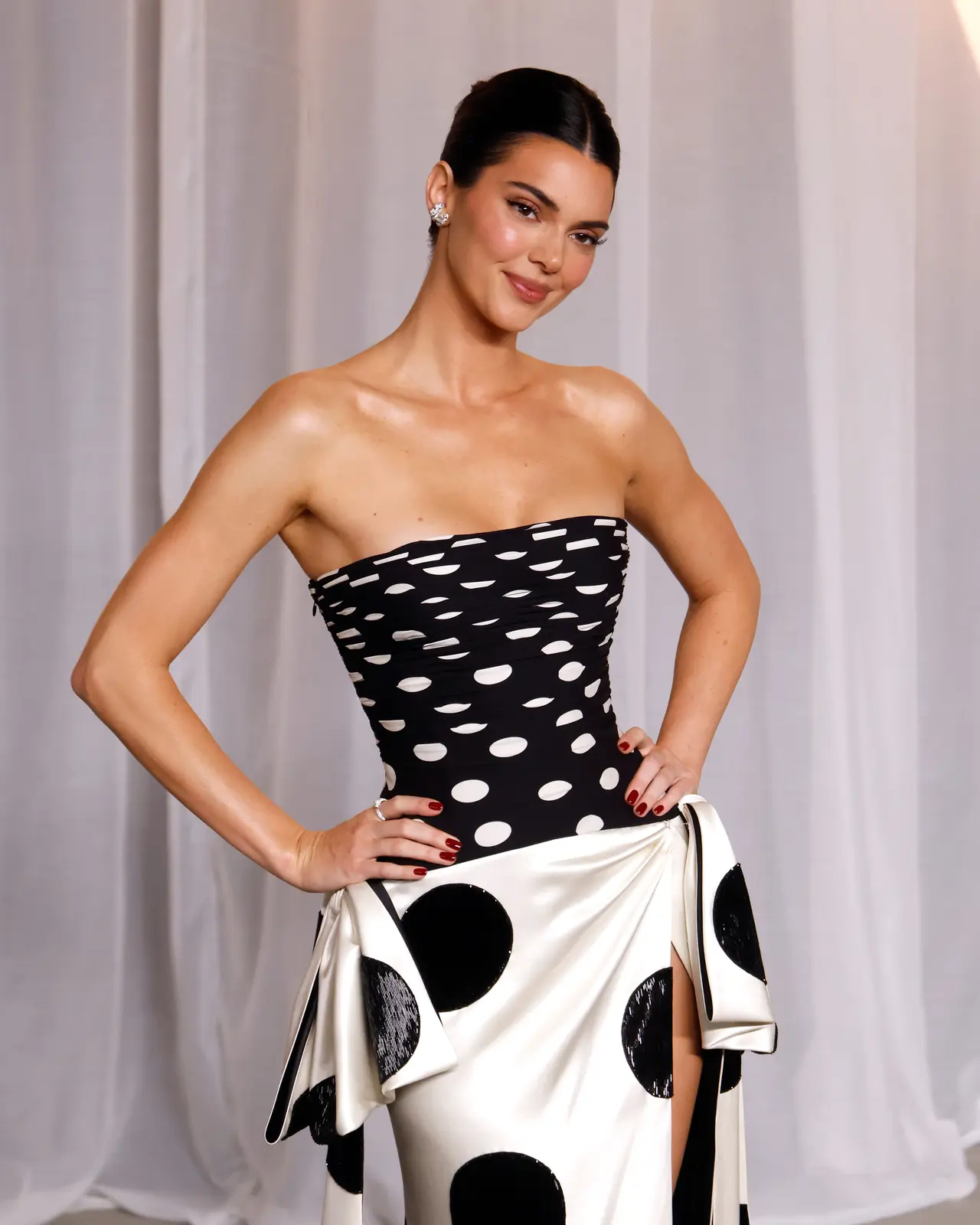 Kendall Jenner’s Spiced Cherry Nails Steal the Spotlight at Academy Museum Gala
Brands leverage nostalgia and sensory associations to create emotional connections, turning familiar treats like chocolate bars or fruit snacks into wearable conversation pieces. Limited production runs amplify exclusivity, prompting resale markets where pairs often exceed original retail prices by hundreds of dollars. Design teams focus on color palettes, texture mimicking food surfaces, and playful naming conventions to reinforce the theme without literal food replication. As Morgan Smith notes in Sole Food, this strategy taps into consumers' desire for joyful self-expression through everyday items they already love.
How Do Collaborations Shape Sneaker Culture Today?
Partnerships between athletic brands and food companies represent a shift toward cross-industry storytelling, where sneakers become platforms for broader lifestyle narratives rather than pure performance gear. Recent examples include Nike's Chips Ahoy! Dunk Low and New Balance's Cookie Monster-inspired 990v6, demonstrating the trend's expansion beyond chocolate-themed releases. These collaborations frequently align with seasonal events or nostalgia cycles, such as back-to-school periods or retro candy revivals. Industry analysts observe that food-themed drops generate disproportionate social engagement compared to standard colorways, validating the approach as a sustained marketing tactic rather than a fleeting gimmick.
Why do sneaker brands choose food themes over other inspirations? Food themes offer universal recognition and positive emotional triggers, making them low-risk, high-reward concepts for limited editions that drive both brand awareness and consumer excitement without alienating core audiences.
Frequently Asked Questions
Are food-inspired sneakers designed for actual athletic performance? Most prioritize lifestyle appeal over technical specifications, using standard silhouettes like Sambas or Dunks as canvases for thematic storytelling rather than integrating performance-enhancing features tied to the food concept.
How long do these collaborations typically remain available? Releases often sell out within minutes online due to restricted inventory, though some styles may reappear through restocks or secondary markets months later, maintaining their collectible status.