
Pradasphere Opens as Permanent Exhibition in Milan
A Circular Narrative of Family and Fashion
Pradasphere has launched as a permanent exhibition in Milan. This immersive installation explores the century-long legacy of the Prada brand. It centers on the family history of Miuccia Prada. Visitors can trace the evolution of the company through time. The exhibit highlights innovation and cultural impact. It serves as a definitive record of the house’s journey. The space is designed for long-term public access.
Breaking News
 Sydney Sweeney Stuns in Red Lingerie for New SYRN Campaign
 How to Style Ankle Boots This Autumn: Eight Reliable Tips
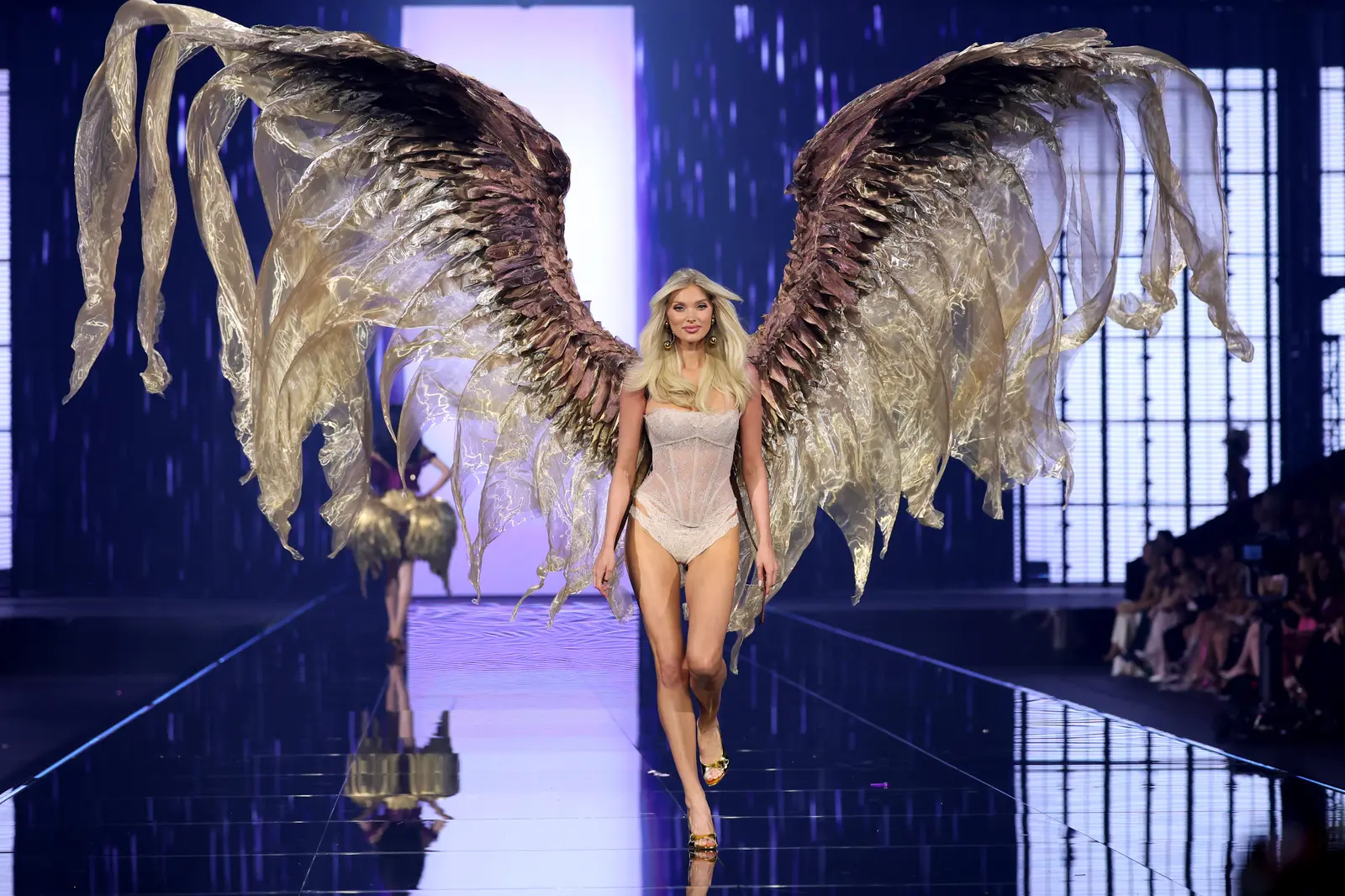 Gigi Hadid defends Elsa Hosk against online critics
 Kylie Jenner Stars in New Stella McCartney Equestrian Campaign
The exhibition functions as a comprehensive archive of the brand’s identity. It moves beyond simple product displays to tell a human story. The narrative focuses on the women who shaped the firm. This approach distinguishes it from typical fashion retrospectives. The design creates a circular path for attendees. This layout mirrors the concept of a sphere. Every angle offers a new perspective on the same core history. The structure ensures that no single element dominates the view. Instead, all parts contribute equally to the whole picture.
The physical layout of the installation reflects its thematic depth. The design team created a continuous loop for visitors. This prevents a linear start or finish point. It encourages repeated visits to discover new details. The content spans one hundred years of activity. It includes early manufacturing records and modern digital initiatives. The focus remains firmly on Miuccia Prada. Her grandmother and mother are also featured prominently. Their contributions form the backbone of the current brand. The exhibit showcases how personal dynamics influenced business decisions. It reveals the tension between tradition and disruption.
Why Does the Sphere Concept Matter?
The gallery uses diverse media to convey this history. Archival documents sit alongside contemporary art pieces. Interactive elements allow guests to engage directly with materials. Textiles and leather samples demonstrate craftsmanship techniques. These items show the technical skills behind the designs. The lighting emphasizes the texture of each object. Soundscapes accompany specific zones to enhance immersion. The combination of senses creates a memorable experience. It transforms historical data into an emotional journey.
The choice of a spherical structure is intentional. A sphere has no top or bottom. This geometry suggests equality among all aspects of the brand. It implies that every era holds equal importance. The design rejects hierarchical storytelling. Instead, it presents a holistic view of the legacy. This method aligns with modern curatorial trends. Museums increasingly favor non-linear narratives. They aim to let visitors construct their own meanings. Pradasphere adopts this viewer-centric approach. It invites interpretation rather than dictating a single truth. The result is a dynamic and evolving display.
The permanent nature of the show signals institutional confidence. It marks a shift from temporary pop-ups. Brands now seek lasting physical presences in cities. This trend reflects the growing value of experiential retail. Consumers expect deeper engagement with luxury labels. They want stories that extend beyond seasonal collections. The exhibition provides this sustained connection. It becomes a landmark for both locals and tourists.
Frequently Asked Questions
Is the exhibition free to enter? Admission policies vary by season and ticket availability. Visitors should check official channels for current pricing. Special events may require separate entry fees.
How long does the average visit take? Most guests spend between one and two hours exploring the space. The circular design allows for flexible pacing. There is no strict schedule or required order.
Does the exhibit feature interactive technology? Yes, digital interfaces complement the physical artifacts. These tools provide additional context and data. They help bridge the gap between past and present.