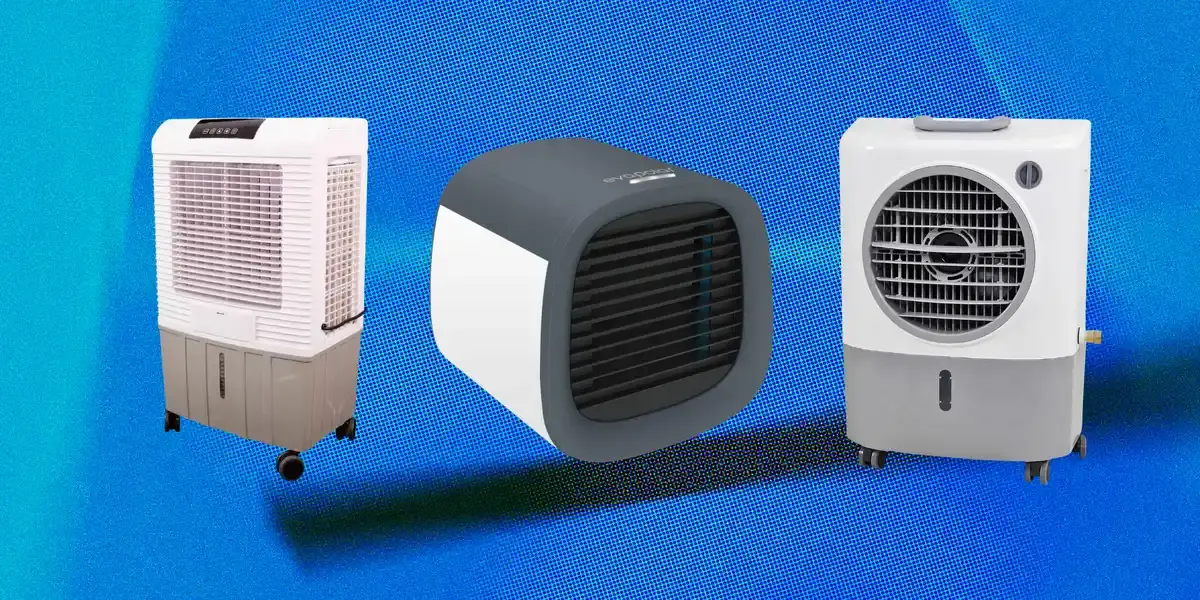
Evaporative Coolers Offer Energy‑Efficient Relief for Hot, Dry Summers
How Swamp Coolers Cut Power Use
Homeowners across the United States are turning to evaporative „swamp” coolers as a low‑cost way to beat soaring temperatures this summer. The devices, which add moisture to hot, dry air, promise noticeable chill without the high electricity bills of traditional air‑conditioners. Retailers report a surge in sales as July heat intensifies, and experts say the trend could reshape residential cooling habits.
Breaking News
 Shoes for a Cure Kicks Off NY Charity Sale with Star Power
 Commando Opens Exclusive Bodysuit Bar at Saks Fifth Avenue Flagship
 Italian Luxury Footwear Steals the Spotlight at Rome Film Festival
 Neiman Marcus Celebrates 100 Years of Holiday Book with Star-Studded Fantasy Gifts Party
Unlike conventional compressors, swamp coolers rely on water evaporation to lower indoor temperatures. When air passes through a wet pad, it absorbs moisture, reducing its temperature by several degrees. The process consumes far less power because it eliminates the need for refrigerant cycles. As a result, households can expect up to a 75 % reduction in cooling‑related electricity use, according to early field tests. The technology works best in arid climates where humidity is low, making it ideal for many parts of the Southwest and interior West.
The core advantage of evaporative cooling lies in its simplicity. A small fan draws outside air through a saturated cellulose pad, and the resulting heat‑exchange drops the air’s temperature. Because the system contains no compressor, the motor draws only a fraction of the power required by a typical central‑air unit. Field data from pilot installations show average daily consumption of 0.5 kWh versus 3 kWh for conventional AC under similar conditions.
Can Evaporative Cooling Work Everywhere?
Manufacturers also tout the ease of maintenance. Users replace pads and refill water reservoirs every few weeks, a task far less demanding than servicing refrigerant lines. Moreover, the devices operate quietly, often blending into background noise levels of a typical home. Industry analysts predict that as electricity prices climb, more consumers will adopt evaporative units, especially in rental properties where permanent HVAC upgrades are impractical.
The answer depends on local climate. In regions with high humidity, such as the Gulf Coast, the added moisture offers little cooling and may even raise indoor humidity to uncomfortable levels. In those areas, traditional air‑conditioners remain the more effective solution. However, in dry zones where relative humidity stays below 40 %, evaporative coolers can achieve temperature drops of 10‑15 °F. Homeowners should assess their regional humidity patterns before investing, and many retailers now provide online climate‑matching tools to guide purchases.
As summer peaks, the shift toward evaporative cooling could ease strain on the electrical grid. Reduced demand may lower the risk of rolling blackouts during heatwaves, while also curbing carbon emissions associated with fossil‑fuel power plants. Continued innovation—such as smarter fan controls and improved pad materials—could expand the technology’s reach, making it a staple in sustainable home design for years to come.
Frequently Asked Questions
Do evaporative coolers require special installation? No. Most portable models plug into a standard outlet and sit on the floor. Larger units may need a window vent, but professional installation is rarely required.
How often must the water pad be replaced? Typically every 2‑3 weeks, depending on usage and water quality. Replacing the pad maintains airflow and prevents mold growth.
Will the added humidity cause mold problems? In dry climates, the modest increase in indoor humidity rarely leads to mold. Proper ventilation and regular pad changes keep moisture levels safe.