
The French Knot Hairstyle Is Having a Very Chic Moment
The style works across hair types and lengths
French knot hairstyles are experiencing a resurgence in popularity as a simple yet elegant updo choice for everyday wear and special occasions. This classic style involves twisting hair back, wrapping it into a knot, and securing it at the nape of the neck, offering a polished look that many people have unknowingly created before. Its renewed appeal lies in its versatility and ease, making it a go-to option for those seeking sophistication without complexity. The French knot differs from similar updos in its securing technique, which helps it stay in place throughout the day when done correctly. Unlike looser twists or basic buns, the knot’s structure distributes tension evenly, reducing slippage. Stylists note that proper preparation—such as slightly textured hair and strategic pinning—enhances hold.
Breaking News
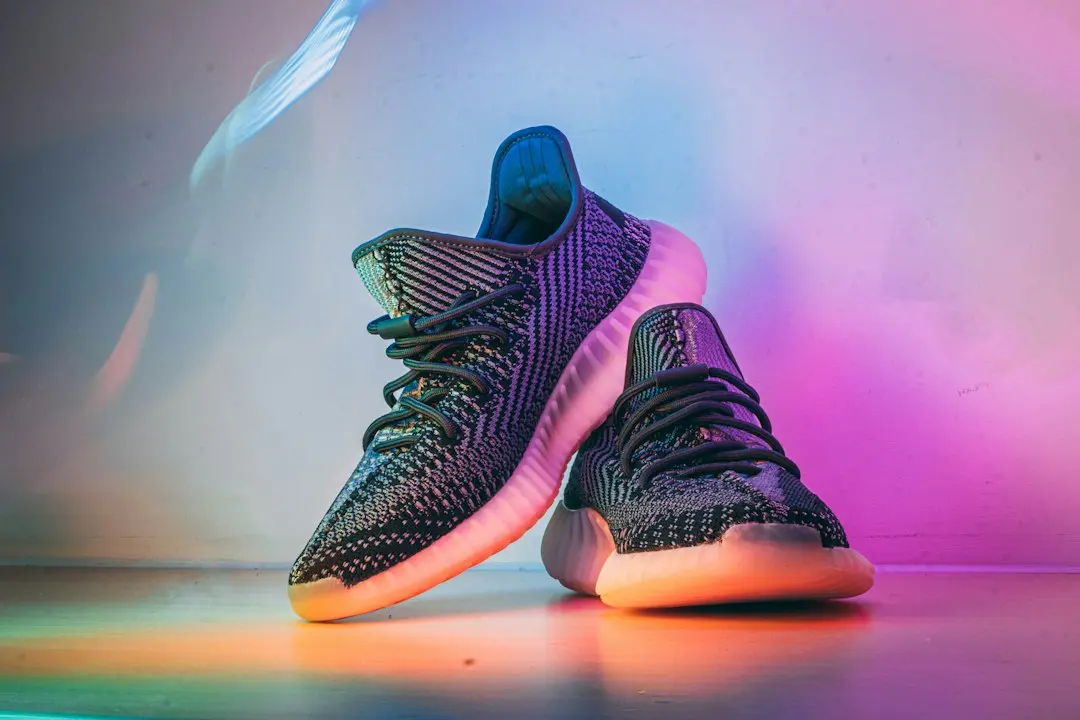 Shoes for a Cure Kicks Off NY Charity Sale with Star Power
 Commando Opens Exclusive Bodysuit Bar at Saks Fifth Avenue Flagship
 Italian Luxury Footwear Steals the Spotlight at Rome Film Festival
 Neiman Marcus Celebrates 100 Years of Holiday Book with Star-Studded Fantasy Gifts Party
The style works across hair types and lengths, adapting to casual settings or formal events with minor adjustments like adding accessories or smoothing flyaways. Why the French Knot Works for Modern Lifestyles The hairstyle’s practicality drives its current popularity, especially among individuals managing busy schedules who still want to appear put-together. It requires minimal tools—just a brush, elastic, and bobby pins—and can be completed in under five minutes. Social media has amplified its visibility, with tutorials demonstrating how to refine the basic knot into variations like the twisted French knot or braided versions. These adaptations allow wearers to personalize the look while maintaining its core simplicity. How Can You Make Your French Knot Last Longer? To maximize durability, experts recommend starting with hair that isn’t overly smooth, as slight grip helps the twist stay secure.
Using a light texturizing spray before styling can prevent slippage without making hair stiff.
Pinning the knot vertically rather than horizontally anchors it more
Pinning the knot vertically rather than horizontally anchors it more effectively against movement. For finer hair, doubling the elastic or using a donut-shaped foam insert adds volume and stability, ensuring the style remains intact from morning meetings to evening outings. Frequently Asked Questions Is the French knot suitable for very short hair? While traditionally associated with medium to long hair, the French knot can be adapted for shorter lengths by using smaller sections and securing with mini claws or pins instead of elastics, though the full knot effect may be limited. Does this hairstyle cause damage if worn frequently? When done gently—avoiding tight pulling and using soft, snag-free pins—the French knot is considered low-tension and less damaging than tighter styles like high ponytails, making it suitable for regular wear. Can I wear a French knot with bangs?
Yes, bangs can be left loose, swept to the side, or lightly pinned back to complement the knot, allowing for framing of the face while maintaining the updo’s integrity at the nape.