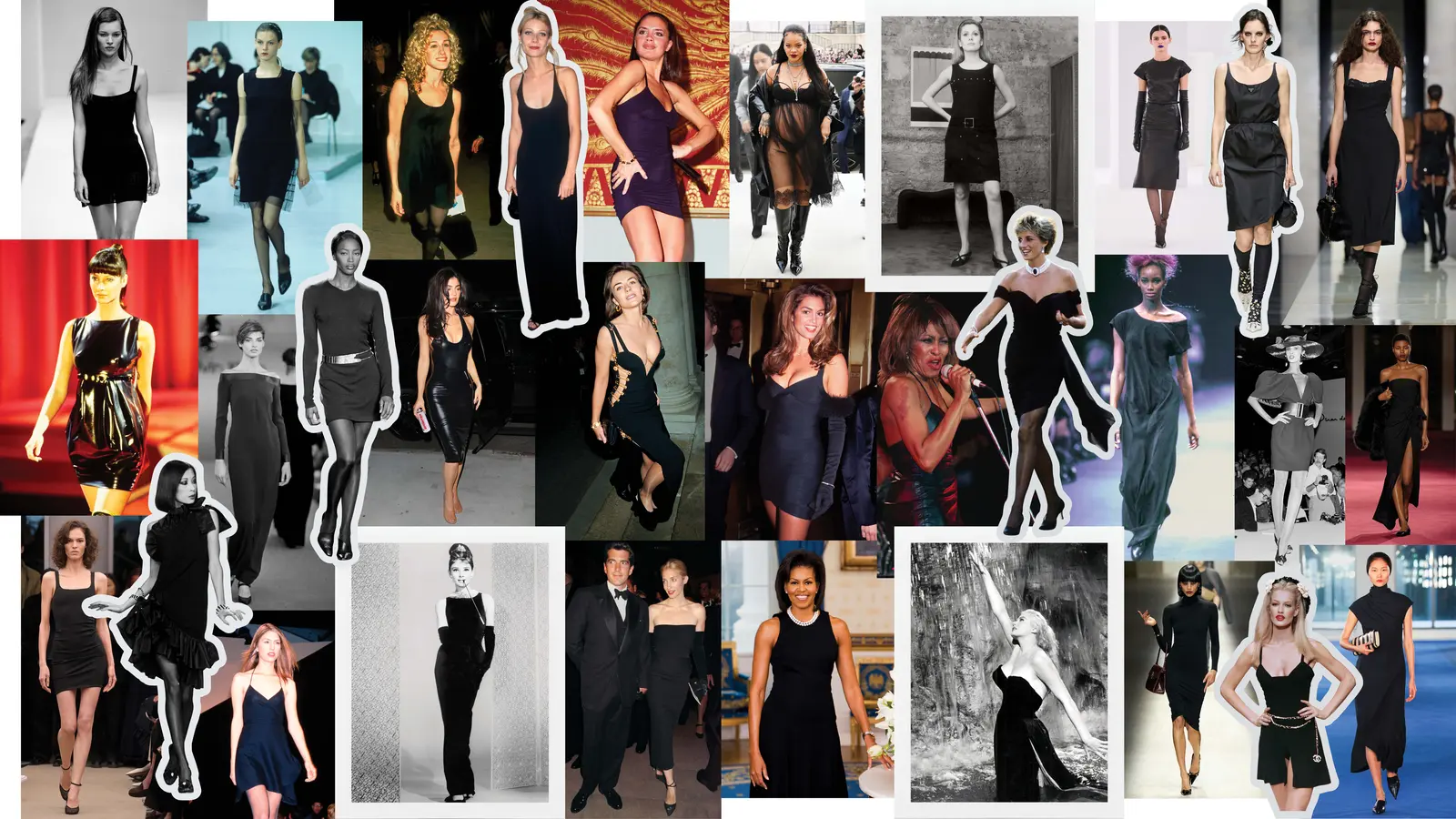
The Little Black Dress Marks Its Centennial as the Ultimate Style Symbol
How a Simple Sketch Redefined Women’s Freedom
The iconic little black dress celebrates 100 years this year, maintaining its status as the definitive expression of elegance. First introduced in the 1920s, the garment has been embraced by designers, celebrities, and everyday women worldwide, cementing its place in fashion history as a timeless wardrobe staple.
Breaking News
 Daisy Edgar-Jones Redefines Power Dressing in Vintage Armani
 Billie Eilish Debuts Striking Strawberry Blonde Hairstyle
 Paris Fashion Week After-Hours: The Most Memorable SS27 Celebrations
 Brooks Nader Showcases Rare Archive Jewelry on Social Media
From Coco Chanel’s revolutionary 1926 sketch to modern runway reinterpretations, the dress has survived shifting trends by offering simplicity and versatility. Its appeal lies in the ability to transition from day to night, from casual to formal, with just a change of accessories. Designers continue to reference the original silhouette, proving that the LBD’s minimalist aesthetic resonates across generations and cultures.
When Chanel unveiled a short, sleeveless black sheath in a Paris salon, she challenged the restrictive fashions of the era. The dress, made of affordable jersey, liberated women from corsets and elaborate ornamentation. Early adopters praised its comfort and understated elegance, noting how it allowed them to move freely while still appearing polished. Over the decades, the LBD became a canvas for personal expression—whether paired with pearls for a classic look or with bold jewelry for a contemporary edge. Fashion houses such as Givenchy, Dior, and Balmain have each offered their own spin, yet the core concept remains unchanged: a sleek, black silhouette that adapts to any occasion.
Why Does the Little Black Dress Still Captivate Modern Audiences?
The dress endures because it meets a practical need while satisfying an emotional desire for confidence. Market research shows that 68 % of women consider the LBD a „go‑to” piece for important events, citing its ability to convey sophistication without effort. Social media influencers frequently showcase the garment, reinforcing its relevance in digital culture. Moreover, sustainability advocates praise the LBD for its longevity; a well‑made black dress can be worn season after season, reducing the impulse to purchase fast‑fashion alternatives. As designers experiment with eco‑friendly fabrics, the classic cut remains a cornerstone of responsible wardrobes.
The centennial celebration underscores the little black dress’s role as more than a fashion item—it is a cultural artifact that reflects changing attitudes toward gender, class, and self‑presentation. Its continued popularity suggests that simplicity, when executed with quality, will always find a place in the ever‑evolving world of style.
Frequently Asked Questions
What year was the little black dress first introduced? Coco Chanel presented the first modern little black dress in 1926, debuting it at a Paris fashion salon.
Why is the dress considered a symbol of empowerment? By offering a simple, affordable alternative to ornate clothing, the LBD gave women freedom of movement and the ability to dress stylishly without adhering to restrictive norms.
Can the little black dress be considered sustainable? Yes; its timeless design encourages repeated wear, and many contemporary versions are crafted from recycled or low‑impact materials, aligning the classic style with modern eco‑conscious values.