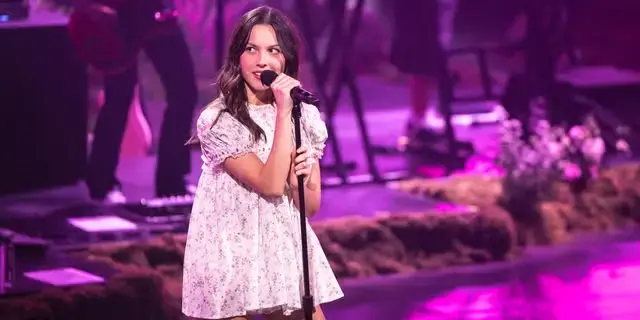
The Controversy Surrounding Babydoll Dresses in Fashion
The Cultural Significance of Babydoll Dresses
In recent weeks, Olivia Rodrigo has sparked discussions with her choice of babydoll dresses, a style that many associate with youthful rebellion. This trend has re-emerged in the fashion world, prompting both admiration and criticism from various quarters.
Breaking News
 Nicole Kidman Channels 'Babygirl' Style at Victoria’s Secret Show
 Sally Perez Brings UCLA Swag to Rocket Dog’s 30‑Year Celebration
 Vans Launches Holiday Collection With Sequins, Plaid and Cozy Upgrades
 Teyana Taylor Elevates Academy Museum Gala with Schiaparelli Couture Breastplate
Babydoll dresses, characterized by their loose fit and often playful designs, have a complex history. Initially popularized in the 1960s and 90s, these garments symbolize defiance against conventional fashion norms. While some view them as empowering, others argue they perpetuate a childlike aesthetic that can be problematic. Rodrigo's embrace of this style has reignited debates about its implications in contemporary culture.
Babydoll dresses have long been linked to themes of rebellion and individuality. They challenge traditional ideas of femininity by offering a carefree and non-conformist alternative. Critics, however, express concern that these dresses can evoke a sense of immaturity, leading to discussions about the sexualization of young women in fashion.
Fashion historian Dr. Emma Carter notes, „The babydoll silhouette has always had dual meanings. It can represent freedom and youthful spirit, but it also raises questions about how society perceives femininity.”This duality is evident in Rodrigo's fashion choices, which resonate with her youthful fanbase while also drawing scrutiny from those wary of the implications behind such styles.
Are Babydoll Dresses Empowering or Problematic?
The debate surrounding babydoll dresses raises important questions about empowerment in fashion. Supporters argue that the style allows women to express their identities without conforming to societal expectations. Conversely, detractors suggest that the look may reinforce stereotypes about women's roles and appearances.
Rodrigo's popularity has brought renewed attention to this conversation. As she navigates her career, her fashion choices reflect a broader cultural dialogue about agency and representation. Critics worry that the resurgence of babydoll dresses could signal a regression in how women are viewed in the fashion industry.
Fashion designer Mia Torres comments, „It's essential to recognize the context in which these dresses are worn. They can be both a celebration of youth and a reminder of the pressures women face regarding their appearance.”This complexity makes the babydoll dress a significant topic in discussions about gender and fashion.
Frequently Asked Questions
As the conversation continues, the future of babydoll dresses in mainstream fashion remains uncertain. Will they evolve into a symbol of empowerment, or will they continue to face criticism for their implications? The outcome may depend on how designers and wearers choose to reinterpret this iconic silhouette.
Why are babydoll dresses controversial? Babydoll dresses are seen as both empowering and problematic. They can symbolize youthful rebellion but also evoke concerns about the sexualization of young women.
How has Olivia Rodrigo influenced the debate? Rodrigo's popularity and fashion choices have reignited discussions about the cultural implications of babydoll dresses, highlighting the ongoing struggle for representation in fashion.
What do fashion experts say about the babydoll silhouette? Experts emphasize the dual nature of babydoll dresses, noting they can represent freedom and rebellion while also raising questions about femininity and societal expectations.