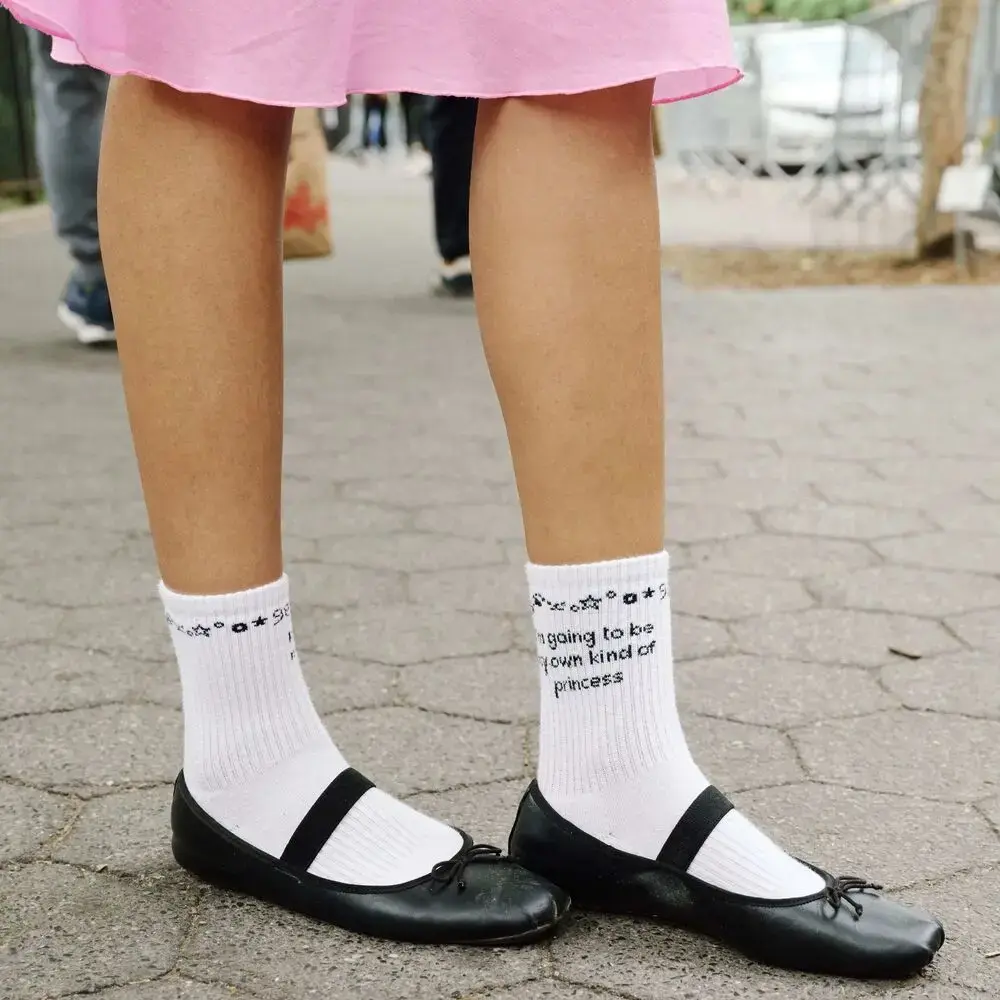
Stylish Yet Supportive: 17 Shoes That Promise All‑Day Comfort
From Sneakers to Slip‑Ons: Brands Leading the Comfort Revolution
A new buying guide released on August 15, 2026, showcases seventeen footwear options that blend fashion with foot‑friendly design. Curated by style writer Audry Hiaoui, the list features brands such as Camper, Naturalizer, and several emerging labels, targeting shoppers who refuse to sacrifice comfort for looks.
Breaking News
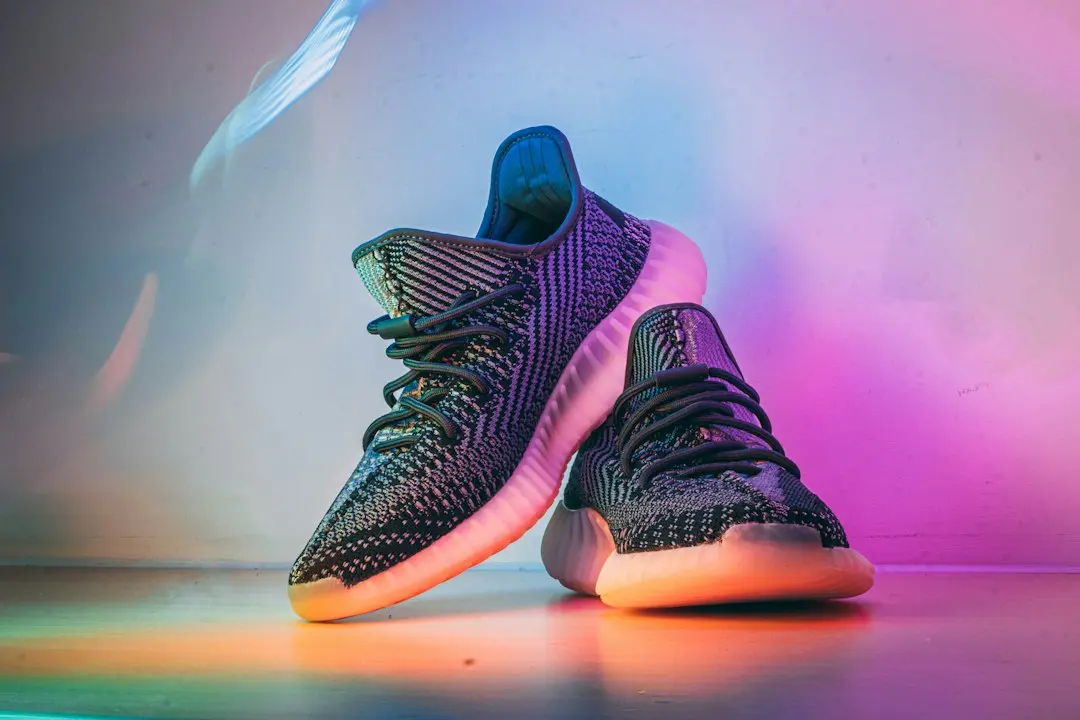 Shoes for a Cure Kicks Off NY Charity Sale with Star Power
 Commando Opens Exclusive Bodysuit Bar at Saks Fifth Avenue Flagship
 Italian Luxury Footwear Steals the Spotlight at Rome Film Festival
 Neiman Marcus Celebrates 100 Years of Holiday Book with Star-Studded Fantasy Gifts Party
The guide emphasizes ergonomic features—cushioned midsoles, breathable uppers, and flexible outsoles—while highlighting aesthetic details that keep the shoes on‑trend. Hiaoui notes that many consumers have grown weary of painful heels and stiff sneakers, prompting designers to prioritize wellness without dulling style. Market data shows a 12 % rise in sales of „comfort‑first” footwear over the past year, reflecting a broader shift toward health‑conscious fashion.
Camper’s latest „Clever” line combines a sleek silhouette with a memory‑foam footbed, earning praise for its low‑profile look and supportive feel. Naturalizer’s „Grace” collection offers classic pumps equipped with a patented arch‑support system, allowing wearers to transition from office to evening events without discomfort. Emerging label Luma introduces a minimalist slip‑on crafted from recycled knit, featuring a flexible rubber sole that adapts to uneven surfaces.
Can Fashionable Shoes Really Protect Your Feet?
Retail analysts point to these innovations as a response to consumer demand for shoes that can endure long days of walking, standing, and occasional sprinting. Designers report that integrating ergonomic technology early in the development process reduces the need for after‑market adjustments, resulting in higher customer satisfaction scores.
Experts argue that stylish shoes can indeed safeguard foot health when built on solid biomechanical principles. Podiatrists stress the importance of proper arch support, shock absorption, and adequate toe room—features present in many of the highlighted models. However, they caution that not every trendy design meets these standards, urging shoppers to read product specifications carefully.
The guide’s emphasis on testing and real‑world wear trials provides a valuable benchmark for consumers. By selecting shoes that balance aesthetic appeal with functional engineering, buyers can reduce the risk of common ailments such as plantar fasciitis and metatarsalgia.
The rise of comfort‑centric footwear signals a lasting transformation in the industry. As brands continue to invest in research and sustainable materials, shoppers can expect an expanding palette of options that marry style with well‑being. This trend may also inspire further collaborations between designers and health professionals, fostering a new era of fashion that truly cares for the wearer.
Frequently Asked Questions
What criteria were used to select the 17 shoes? Each pair was evaluated for comfort technology, durability, aesthetic appeal, and price range, ensuring a balanced representation of everyday wear options.
Are these shoes suitable for people with specific foot conditions? Many models include orthotic‑compatible insoles and adjustable straps, making them adaptable for individuals with flat feet, high arches, or mild pronation.
How can shoppers verify the comfort claims before buying? Look for certifications such as „Biomechanically Tested” or customer reviews that mention prolonged wear without pain, and consider trying the shoes in‑store when possible.