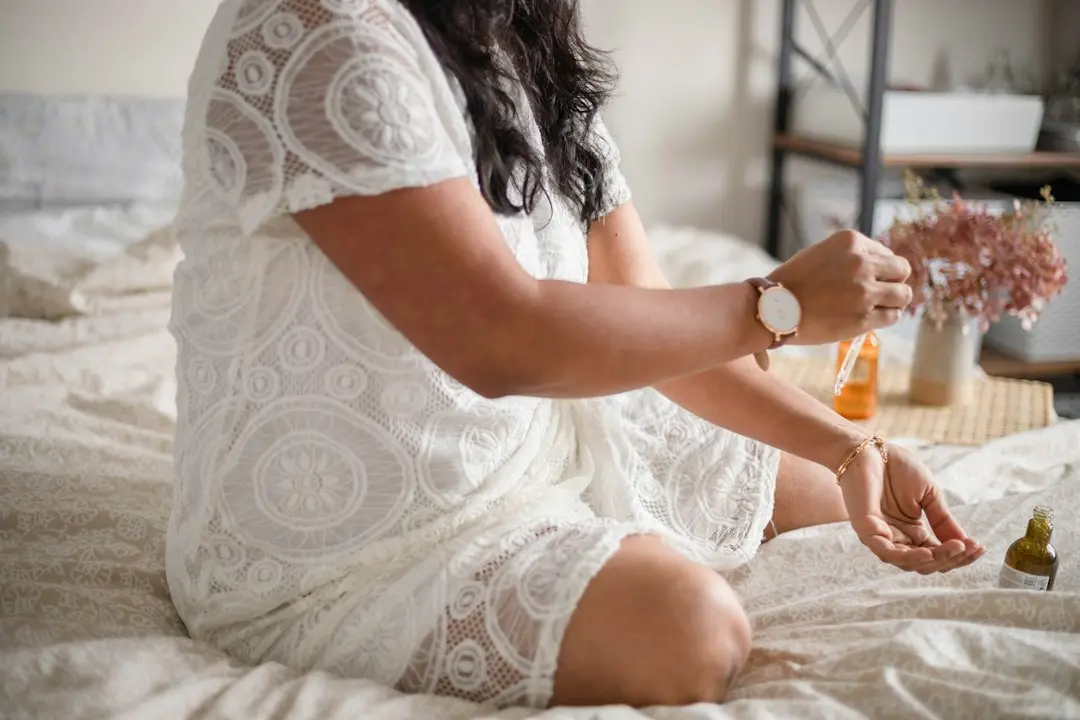
Skin‑Care Solutions Tailored for Chemotherapy Patients Gain Momentum in October
Innovative Formulations Targeting Treatment‑Related Skin Issues
October brings Breast Cancer Awareness Month, prompting a surge in initiatives that spotlight early detection and support for those battling the disease. Amid the heightened focus, several cosmetics and personal‑care companies have launched or expanded product lines specifically designed for chemotherapy patients, aiming to address the unique skin and body challenges they face during treatment.
Breaking News
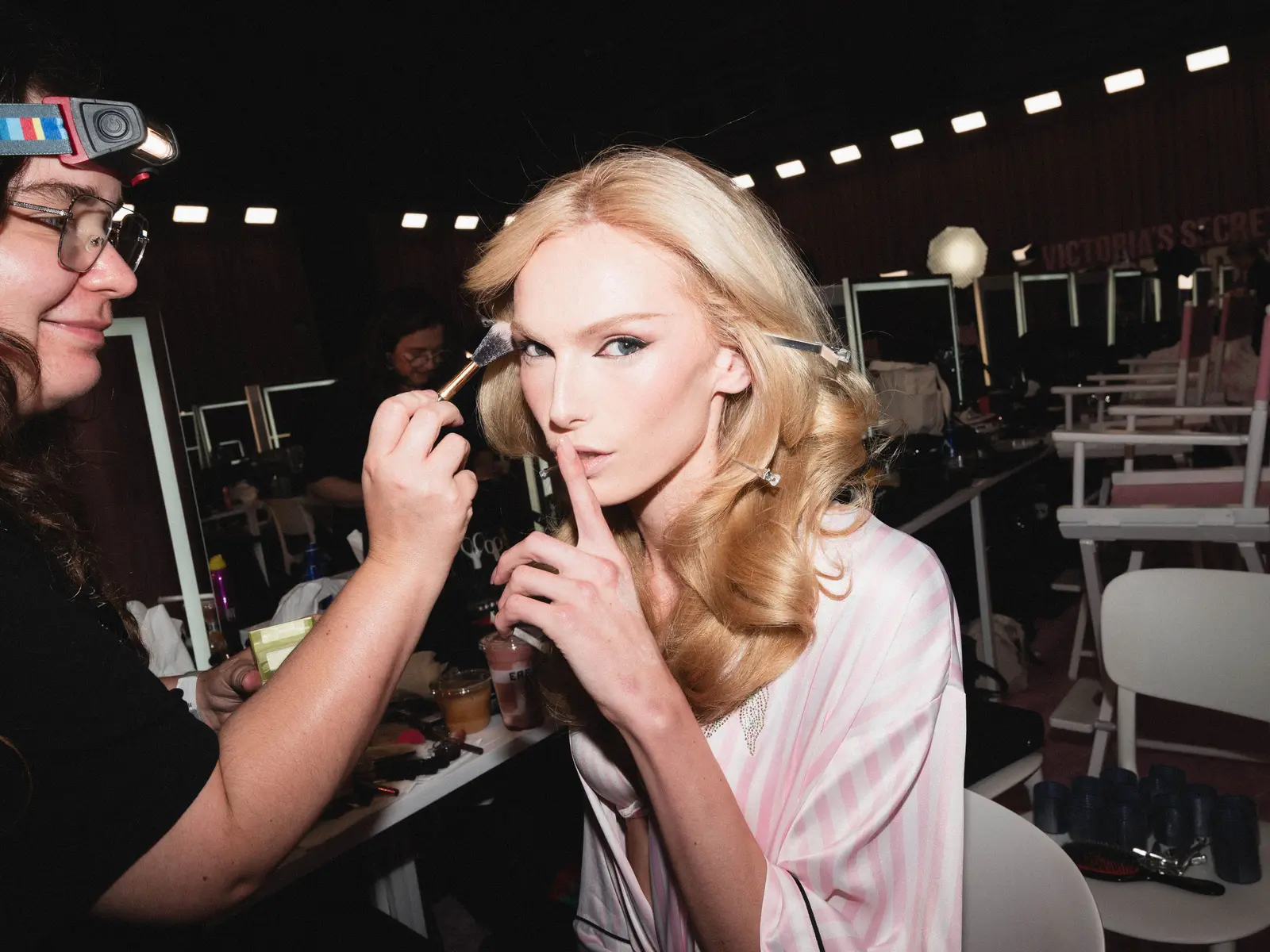 Alex Consani Prepares for Third Victoria's Secret Fashion Show Appearance
 Jack Innanen Stars in Banana Republic's New Comedy Campaign 'The Agency
 Katie Holmes Shines in Sequin Skirt at London Fashion Event
 From the Runway to the Red Carpet, Has the Clear Shoe Trend Gone Too Far?
Chemotherapy often leaves patients with dry, sensitive skin, rashes, and heightened vulnerability to infections. In response, brands are formulating gentler cleansers, moisturizers enriched with barrier‑repair ingredients, and fragrance‑free body washes that minimize irritation. Companies such as DermalEase and PureSkin have partnered with oncology clinics to distribute sample kits, while a portion of sales is earmarked for breast‑cancer research charities. These efforts seek to combine practical relief with financial support for ongoing medical advances.
The new product lines prioritize hypoallergenic components, avoiding common triggers like parabens, sulfates, and synthetic fragrances. DermalEase’s „Chemo Comfort Cream” blends ceramides, hyaluronic acid, and oat extract to restore moisture and reinforce the skin’s protective layer. Clinical testing with 120 patients showed a 45 % reduction in reported itching after two weeks of regular use. PureSkin’s „Gentle Relief Body Wash” incorporates aloe vera and chamomile, offering a soothing cleanse without stripping natural oils. Oncology nurse Laura Martinez notes, „Patients often struggle with everyday hygiene; these milder formulas make a noticeable difference in comfort and confidence.”
Are These Skin‑Care Advances Truly Beneficial for All Patients?
Beyond individual products, several firms have introduced educational pamphlets that explain proper skin‑care routines during chemotherapy. The materials advise patients to apply moisturizers immediately after bathing, use lukewarm water, and avoid harsh exfoliation. By integrating scientific guidance with user‑friendly products, the industry hopes to empower patients to manage side effects more effectively.
While the response has been largely positive, experts caution that not every chemotherapy patient will experience the same skin reactions, and product suitability can vary. Dermatologist Dr. Anil Patel warns, „Even with gentle formulations, it’s essential for patients to consult their healthcare team before adding new items to their regimen, especially if they have compromised immunity.” Some critics argue that the marketing push may oversimplify complex medical needs, turning a serious health concern into a consumer trend. Nonetheless, patient advocacy groups appreciate the increased visibility and the charitable contributions tied to sales, which collectively raise funds for research and support services.
Looking ahead, the collaboration between skincare manufacturers and medical professionals could set a precedent for future therapeutic‑cosmetic partnerships. As awareness continues to grow, more personalized solutions may emerge, potentially extending beyond breast cancer to address skin challenges associated with other treatments. The ongoing dialogue underscores a broader shift toward holistic patient care, where comfort and dignity are integral to the healing journey.
Frequently Asked Questions
What ingredients should chemotherapy patients look for in skin‑care products? Seek moisturizers with ceramides, hyaluronic acid, and natural soothing agents like oat or aloe. Avoid parabens, sulfates, and added fragrances that can irritate sensitive skin.
Can these specialized products replace medical treatment for skin side effects? No. They are adjuncts that help manage symptoms. Patients should always follow their oncologist’s recommendations and report any severe reactions promptly.
Do purchases truly support breast‑cancer research? Many brands pledge a percentage of sales to accredited charities. Buyers can verify contributions by checking the company’s transparency reports or contacting the charity directly.