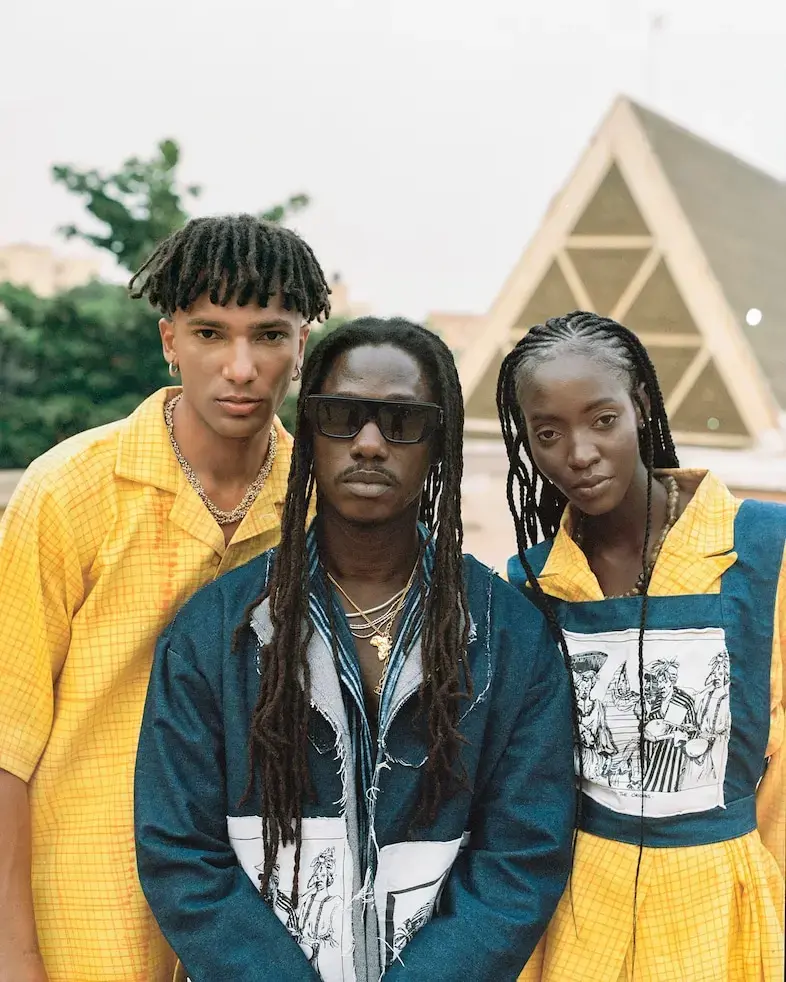
Niuku Rewrites Luxury Narrative, Tapping African Heritage
Rediscovering African Luxury Roots
Designer Kadiata Diallo presented her newest collection for Niuku on Tuesday in Paris, asserting that African craftsmanship predates and defines true luxury. The showcase, held at a historic gallery, gathered fashion editors, cultural historians, and buyers from Europe and Africa.
Breaking News
 Shoes for a Cure Kicks Off NY Charity Sale with Star Power
 Commando Opens Exclusive Bodysuit Bar at Saks Fifth Avenue Flagship
 Italian Luxury Footwear Steals the Spotlight at Rome Film Festival
 Neiman Marcus Celebrates 100 Years of Holiday Book with Star-Studded Fantasy Gifts Party
Diallo explained that Niuku’s mission is to reclaim centuries‑old African design practices that have been eclipsed by Western narratives. She cited a recent Karl Lagerfeld documentary as a catalyst, noting how the famed designer’s global influence often ignored the continent’s own opulent traditions. By marrying archival fabrics with contemporary silhouettes, Niuku seeks to rewrite the story of luxury from an African perspective.
The collection highlighted textiles such as hand‑woven kente, indigo‑dyed mud cloth, and intricate beadwork, each sourced from artisans in Ghana, Mali, and Senegal. „Our ancestors created lavish garments long before European courts existed,” Diallo said. She emphasized that these materials are not merely decorative; they carry cultural meanings and social status symbols.
Can Modern Fashion Truly Honor Its African Past?
Niuku collaborates directly with craft cooperatives, ensuring fair wages and preserving endangered techniques. The brand’s supply chain traces each fiber to its origin, a practice Diallo described as „ethical provenance that honors the maker.” Sales figures from the past season show a 30 % rise in demand for pieces that celebrate authentic African luxury, indicating a market shift toward heritage‑driven fashion.
Critics argue that high‑end labels risk superficial appropriation when borrowing from African motifs. Diallo counters that genuine partnership and transparent storytelling are essential. „We invite the artisans to co‑design, not just to supply,” she explained. This collaborative model challenges the traditional top‑down approach of luxury houses.
Industry observers note that Niuku’s strategy may set a precedent for other brands seeking deeper cultural integration. By foregrounding African narratives, the label encourages a broader re‑evaluation of what constitutes luxury, moving beyond material excess to cultural richness.
The ripple effect of Niuku’s approach could reshape consumer expectations worldwide. As more designers adopt similar ethical collaborations, African craftsmanship may gain a permanent foothold on global runways. Diallo remains optimistic, believing that the fashion ecosystem is ready for a lasting, respectful dialogue with the continent’s artistic legacy.
Frequently Asked Questions
What inspired Kadiata Diallo to focus on African luxury? A Karl Lagerfeld documentary sparked her curiosity about overlooked African opulence, prompting her to explore her heritage and elevate it on the world stage.
How does Niuku ensure fair treatment of artisans? The brand works directly with cooperatives, paying living wages, providing skill‑training, and guaranteeing that each piece’s origin is transparently documented.
Will other luxury houses follow Niuku’s model? Industry analysts predict a growing trend toward ethical sourcing and cultural collaboration, suggesting that Niuku’s blueprint could influence future luxury collections.