
Natural Strategies to Combat Thinning Hair and Promote Growth
Nourishing the Scalp and Follicles
Hair thinning is a common concern for women entering their fifties, often leading to anxiety about appearance and long-term health. Many individuals in this demographic seek non-prescription alternatives to manage shedding around the temples and during daily washing. Fortunately, several natural approaches exist that may help strengthen follicles and encourage healthier hair regrowth.
Breaking News
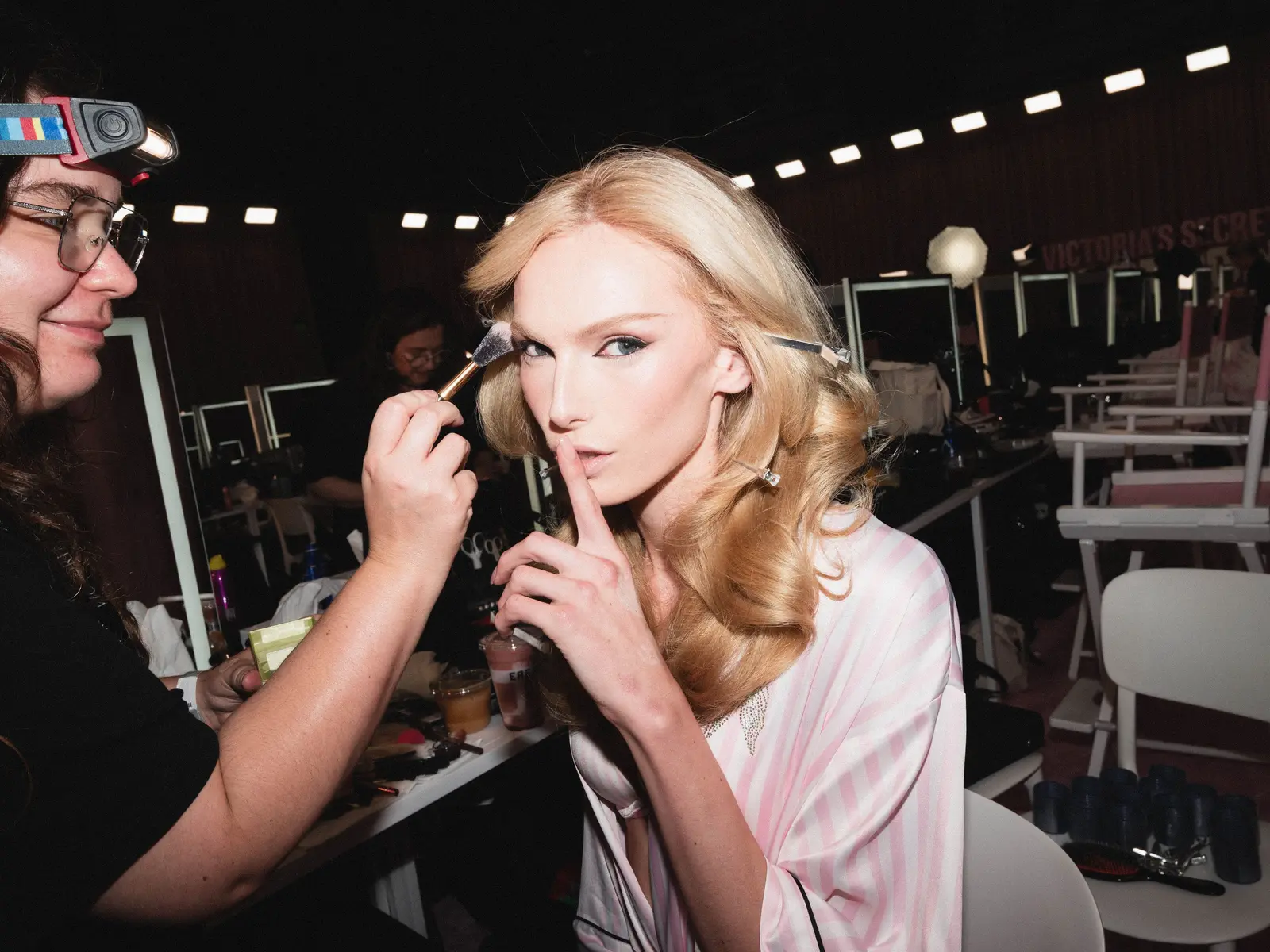 Alex Consani Prepares for Third Victoria's Secret Fashion Show Appearance
 Jack Innanen Stars in Banana Republic's New Comedy Campaign 'The Agency
 Katie Holmes Shines in Sequin Skirt at London Fashion Event
 From the Runway to the Red Carpet, Has the Clear Shoe Trend Gone Too Far?
Addressing hair loss often begins with scalp health and nutrient intake. Hormonal shifts during midlife can significantly impact hair density and texture. By focusing on holistic habits, many women find they can manage shedding without immediately turning to pharmaceutical interventions. Consistency remains the most critical factor when adopting these natural methods.
Scalp stimulation is a primary method for improving circulation to the hair roots. Massaging the scalp for several minutes daily can increase blood flow, which delivers essential nutrients to the follicles. Combining this with natural oils, such as rosemary or peppermint, may further support hair density. These oils are often praised for their ability to invigorate the scalp environment.
Can Natural Methods Truly Reverse Shedding?
Dietary adjustments also play a vital role in hair retention. Ensuring adequate intake of proteins, iron, and vitamins like biotin can fortify the hair shaft from within. Many experts suggest that a balanced diet acts as the foundation for any external treatment. Without proper internal nutrition, topical applications may offer only limited results.
While natural remedies are popular, their effectiveness varies significantly between individuals. Genetics, underlying health conditions, and stress levels all influence how a person responds to these treatments. It is important to maintain realistic expectations when starting a new routine. Patience is required, as hair growth cycles typically span several months before visible changes appear.
Frequently Asked Questions
If thinning persists despite consistent care, consulting a healthcare professional is advisable to rule out underlying medical issues. Taking a proactive approach allows for a better understanding of one’s specific needs. With the right combination of patience and targeted care, many women can successfully stabilize their hair health and feel more confident.
How long does it take to see results from natural remedies? Most natural treatments require at least three to six months of consistent use to show visible improvements. Hair growth cycles are slow, so patience is essential during the process.
Should I see a doctor about my hair loss? Yes, if you notice sudden or patchy hair loss, it is best to consult a medical professional. They can help determine if your shedding is linked to hormonal changes, nutritional deficiencies, or other health factors.