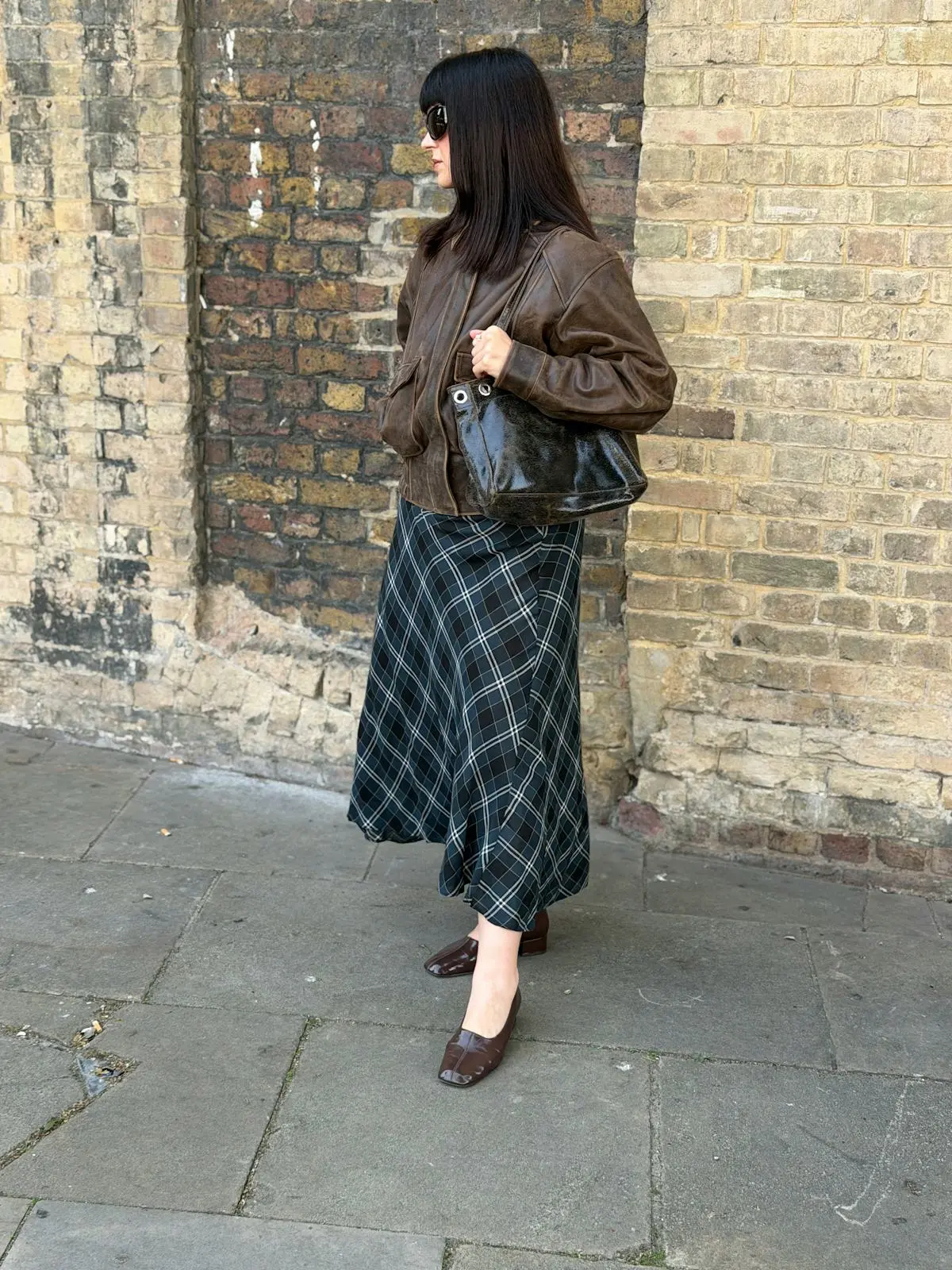
London Fashion Week Finds Its Ideal Base in the West End
Why the West End Beats Other London Districts
During the 2024 London Fashion Week, Erin Lukas, an editor at The Zoe Report, chose the city’s West End as her central hub. She spent the week attending shows, scouting venues, and immersing herself in local culture while staying close to the main venues.
Breaking News
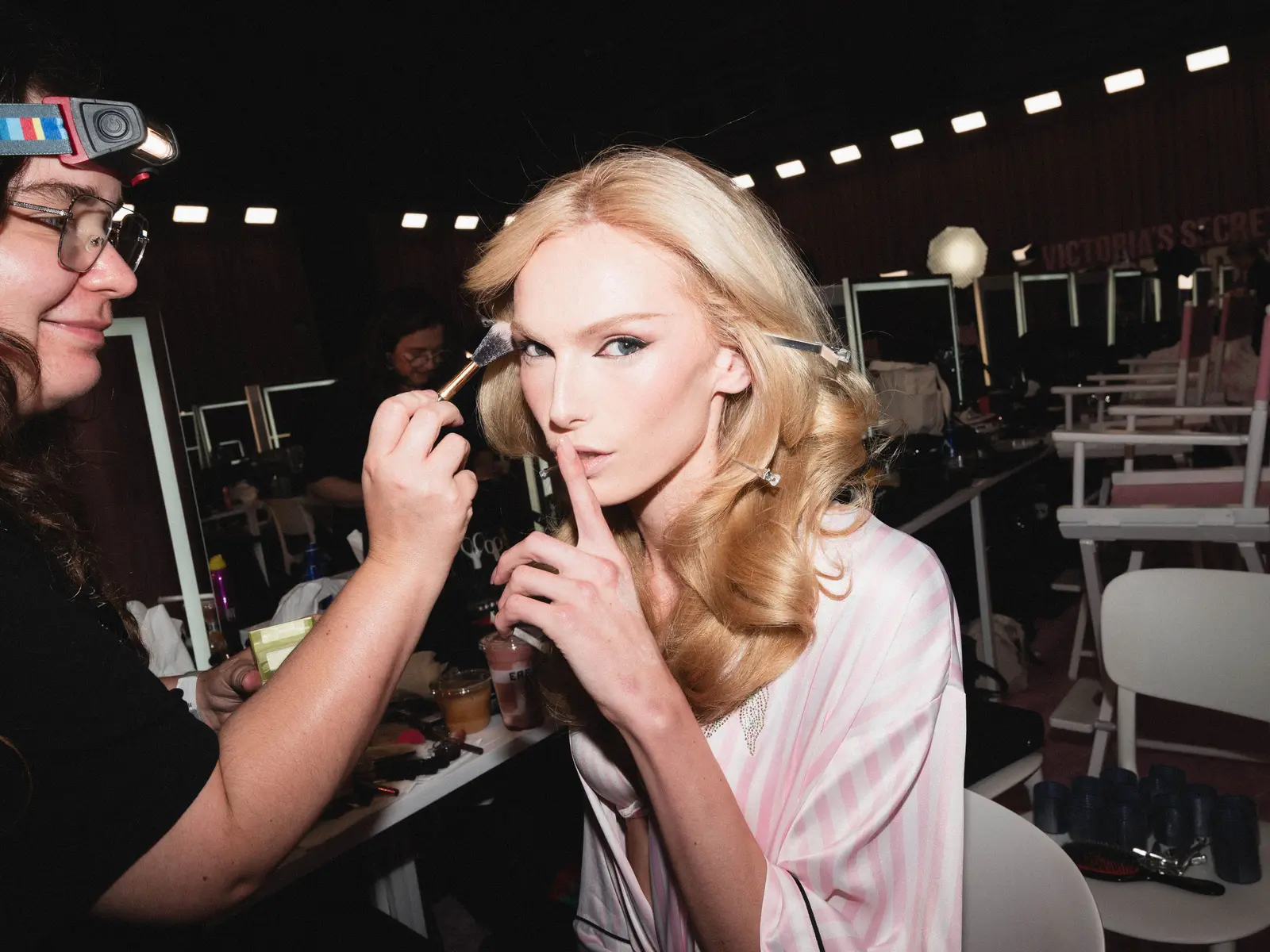 Alex Consani Prepares for Third Victoria's Secret Fashion Show Appearance
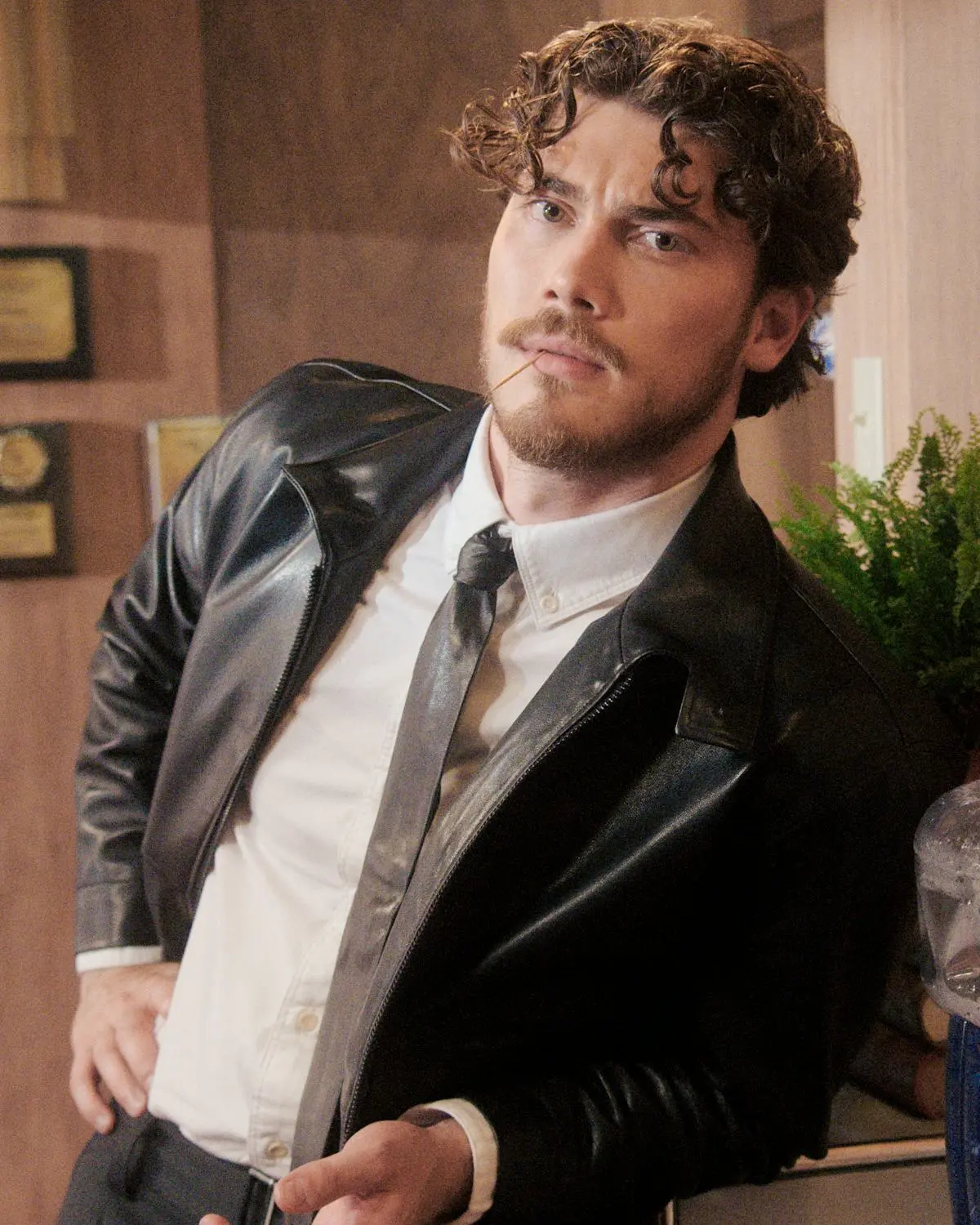 Jack Innanen Stars in Banana Republic's New Comedy Campaign 'The Agency
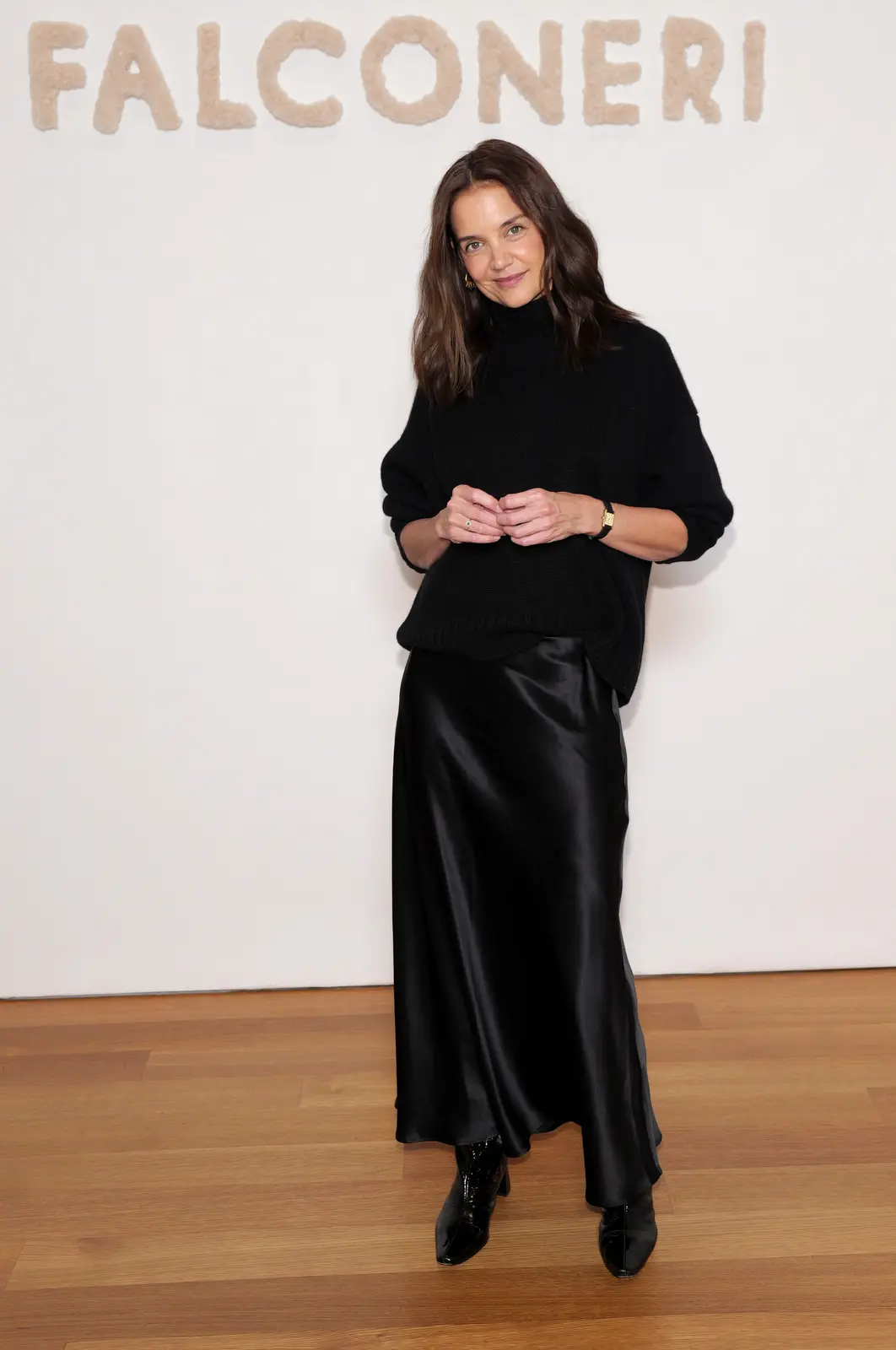 Katie Holmes Shines in Sequin Skirt at London Fashion Event
 From the Runway to the Red Carpet, Has the Clear Shoe Trend Gone Too Far?
The West End offers a blend of convenience and vibrancy that appeals to fashion journalists. With its proximity to key show venues, easy public transport links, and a rich culinary scene, it allows reporters to balance work and leisure. Lukas noted that the area’s compact layout reduces travel time, letting her focus on coverage rather than commuting.
The West End’s centrality means that most runway events are within a short tube or bus ride. This proximity is crucial for journalists who need to arrive early for backstage access or late for after‑party interviews. Additionally, the district’s historic theatres and boutique shops provide a backdrop that complements the high‑fashion atmosphere. Lukas highlighted that the area’s cafés and restaurants offer a variety of international cuisines, giving her a taste of London’s global palate without leaving the city center.
How Staying in the West End Shapes Coverage
The district’s infrastructure also supports media operations. High‑speed Wi‑Fi in many hotels and cafés ensures that live updates and photo uploads go smoothly. Moreover, the West End’s reputation as a cultural hotspot attracts designers, models, and industry insiders, creating networking opportunities that are less abundant in quieter neighborhoods.
By staying in the West End, Lukas could quickly pivot between shows, press briefings, and spontaneous street style shoots. She mentioned that the ability to move swiftly between venues allowed her to capture candid moments that might have been missed from a more distant location. The area’s vibrant nightlife also provided a backdrop for after‑show interviews, giving her pieces a lively, authentic feel.
The convenience of the West End also meant that Lukas could explore local fashion boutiques and pop‑up shops during downtime. She reported that these visits added depth to her stories, offering readers insights into emerging designers and street‑style trends that emerge outside the runway.
Is the West End the Future Home for Fashion Week Coverage?
The trend toward central, multi‑purpose districts is likely to continue. As fashion weeks grow more global, media teams seek locations that combine accessibility, cultural richness, and logistical support. The West End’s proven track record during this year’s event suggests it will remain a preferred base for journalists and industry professionals alike.
In the coming years, we may see more hotels and media suites opening specifically for fashion week coverage, further cementing the West End’s role as the industry’s heart. For now, Erin Lukas’s experience underscores that a well‑chosen base can make the difference between a hectic schedule and a smoothly executed coverage plan.
Frequently Asked Questions
What makes the West End a good location for fashion journalists? Its central position near most runway venues, excellent public transport, and a lively culinary scene make it convenient and inspiring for reporters.
How does staying in the West End affect a journalist’s coverage? It reduces commute times, allows quick access to shows and interviews, and offers opportunities to capture street style and local fashion trends.
Will other London districts become viable bases for future fashion weeks? While other areas may offer unique advantages, the West End’s blend of accessibility, culture, and infrastructure keeps it the preferred choice for many media teams.