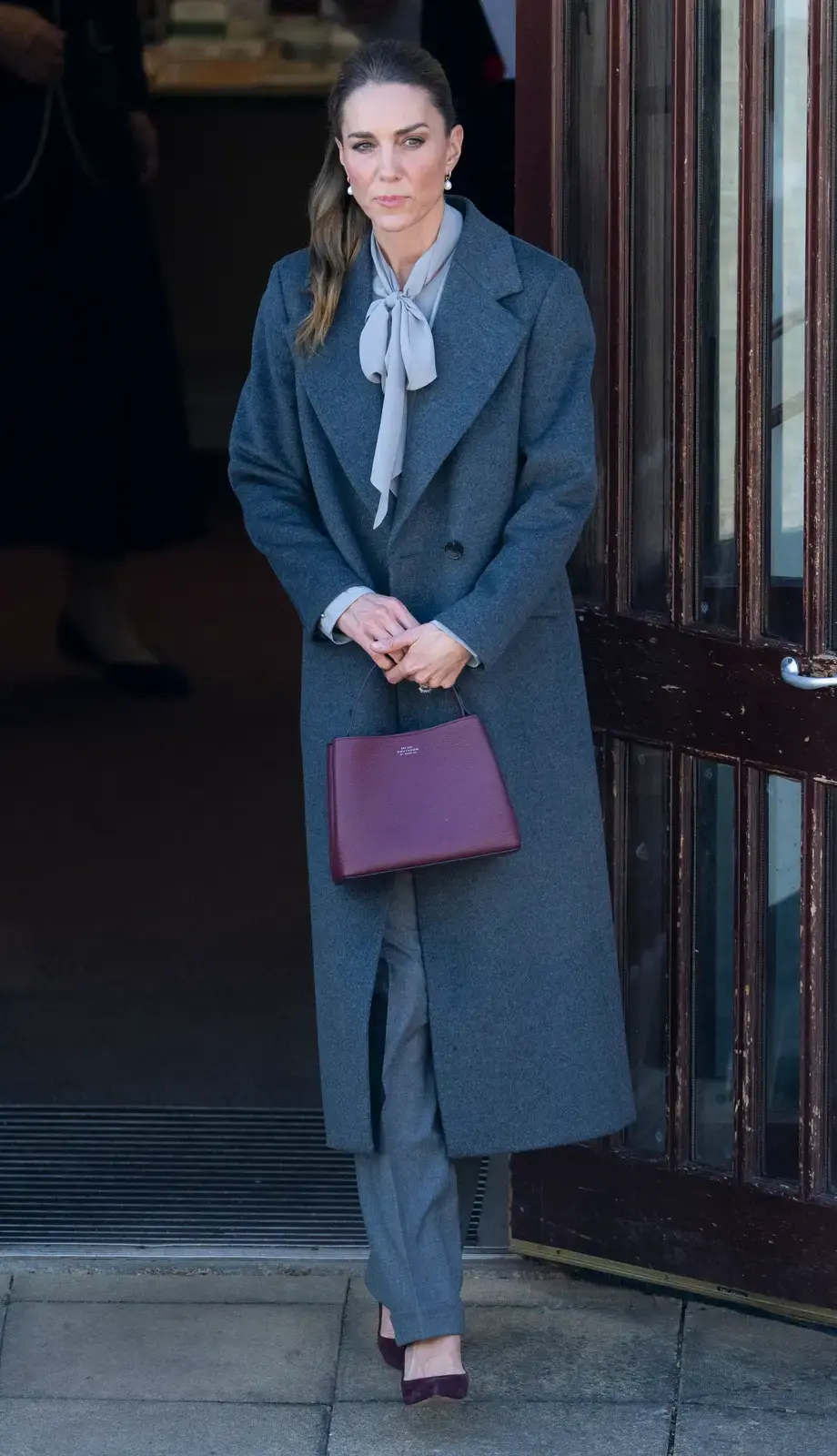
Kate Middleton’s Autumn Wardrobe Relies On One Essential Wool Coat
Balancing Warmth And Style In Transition Seasons
The Duchess of Cambridge recently stepped out in London, swapping her signature structured tailoring for a softer, more relaxed aesthetic. This shift highlights a key piece in her seasonal rotation. She chose comfort without sacrificing elegance. The outfit featured a high-quality wool coat that serves as the foundation of her autumn look. This choice reflects a broader trend toward practical yet sophisticated dressing during the cooler months.
Breaking News
 Paris Fashion Week After-Hours: The Most Memorable SS27 Celebrations
 Brooks Nader Showcases Rare Archive Jewelry on Social Media
 A Decade of Textile Waste: Lessons from the Frontlines of Circular Fashion
 Olivia Rodrigo Stuns in Minimalist Calvin Klein Ensemble
The transition from summer to winter presents a daily challenge for many people. Determining the right level of warmth is often difficult. Individuals struggle to balance staying warm against the risk of overheating during commutes. Kate’s selection offers a solution to this common dilemma. Her coat provides sufficient insulation without being overly bulky. It bridges the gap between light spring layers and heavy winter gear. This approach allows for versatility in unpredictable weather conditions.
The core issue with autumn outerwear is the uncertainty of daily temperatures. Morning chills often give way to afternoons that are surprisingly mild. A heavy parka might be too hot by noon, while a thin jacket fails to protect against wind. Kate’s wool coat occupies the middle ground effectively. It is thick enough to block cold air but breathable enough for movement. This material choice ensures she remains comfortable throughout various activities. The fabric drapes well, maintaining a polished silhouette even in casual settings.
Why Wool Remains The Ultimate Autumn Fabric
This strategy aligns with her recent departure from rigid formal wear. By choosing a relaxed fit, she signals a shift in personal style. It suggests a preference for ease over strict formality. The coat acts as a versatile layer that can be worn over both dresses and trousers. This flexibility reduces the need for multiple specialized garments. It simplifies the morning decision-making process for those observing her trends.
Wool has long been a staple in British fashion due to its natural properties. It regulates temperature better than synthetic alternatives. The fibers trap heat when it is cold and release it when the temperature rises. This makes it ideal for the fluctuating climate of the UK. Kate’s endorsement reinforces the value of investing in quality natural fibers. Rather than buying several cheap coats, one excellent wool piece lasts for years. The durability of the material supports sustainable wardrobe choices. It withstands frequent use without losing shape or color.
The Duchess’s influence often drives consumer behavior. When she wears a specific item, demand for similar styles increases. Retailers respond by stocking more neutral-toned wool coats. This creates a cycle where practicality meets public expectation. The focus on a single cornerstone piece encourages mindful consumption. It suggests that fewer, higher-quality items can serve better than many low-quality ones.
Frequently Asked Questions
What specific type of coat did Kate wear? She wore a high-quality wool coat designed for relaxed comfort. This piece replaced her usual structured tailoring. It serves as a versatile layer for autumn weather.
Why is wool recommended for autumn? Wool naturally regulates body temperature. It keeps the wearer warm in cold mornings but does not cause excessive sweating in milder afternoons. This makes it superior to synthetic fabrics for transitional seasons.
How does this change her typical style? This marks a move away from rigid, formal tailoring. The relaxed fit prioritizes ease and comfort. It shows a willingness to adapt her wardrobe to the season’s practical needs.