
Istituto Marangoni Shanghai Transforms Graduate Runway Into Immersive Retail Experience
Attendees moved through curated zones where they could examine fabrics up
The 2026 graduate fashion show at Istituto Marangoni Shanghai reimagined the traditional runway as a living retail environment. Held in Shanghai, the event featured final collections from emerging designers under the theme Via Nomadis. This concept blended fashion presentation with interactive shopping elements, turning the catwalk into a space where visitors could engage with garments as both art and functional lifestyle products. The show emphasized a forward-looking approach to how fashion might be experienced and consumed in the near future. The theme Via Nomadisdrew inspiration from nomadic lifestyles and fluid identities, reflecting a shift toward adaptable, multi-functional clothing. Students were encouraged to design pieces that transition seamlessly between contexts—work, leisure, travel—while incorporating sustainable materials and modular construction. The runway itself was redesigned as a parcours-like installation, with stations mimicking boutique displays, fitting rooms, and digital touchpoints.
Breaking News
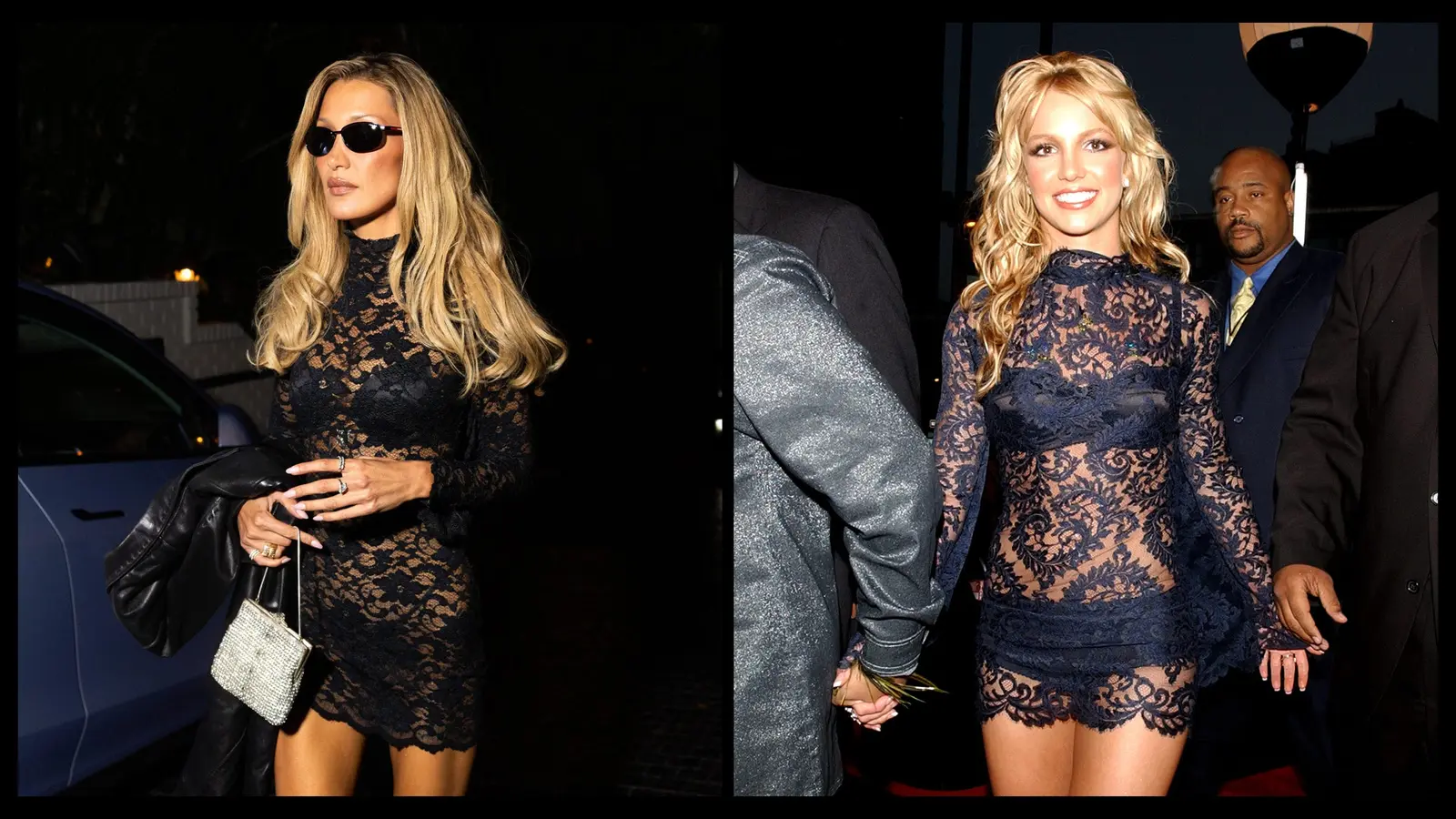 Bella Hadid Recreated Britney Spears's iconic VMAs Dress for the Victoria's Secret After Party
 Bridal Couture Sets New Standards at New York Fashion Week
 Fall Manicure Trends: 7 Simple Ways to Refresh Your Look
 Durango Expands Beyond Boots with New Apparel and Accessories Licenses
Attendees moved through curated zones where they could examine fabrics up close, scan QR codes for design stories, and even customize certain elements via augmented reality previews. Faculty described the format as a response to evolving consumer expectations, where storytelling and experience are as important as the product itself. How Designers Balanced Wearability With Conceptual Innovation Graduate designers faced the challenge of creating avant-garde concepts that remained practical for everyday use. Many explored transformable garments—jackets that became bags, dresses that reconfigured into separates—using hidden zippers, magnetic fastenings, and adjustable silhouettes. One collection utilized recycled ocean plastics woven into technical fabrics, designed for urban commuters facing unpredictable weather. Another focused on gender-fluid tailoring, with adjustable waistbands and expandable seams to accommodate diverse body types. Instructors noted that the retail lab format pushed students to consider not just aesthetics, but usability, durability, and real-world wear scenarios.
Feedback from industry guests highlighted the strength of this balance
Feedback from industry guests highlighted the strength of this balance, with several noting the commercial viability of select pieces without sacrificing creative ambition. What Role Does Technology Play in Shaping Future Fashion Retail? Technology was integrated subtly but purposefully throughout the experience. Rather than overwhelming the garments, digital elements served to deepen understanding and interaction. Near-field communication tags embedded in labels provided access to supply chain transparency, showing carbon footprint data and artisan involvement. Virtual mirrors allowed visitors to see how garments might look in different lighting or on varied body types, reducing the need for physical try-ons. Some designs included responsive textiles that shifted color with temperature or movement, hinting at future smart clothing applications. Organizers stressed that the goal was not to showcase tech for its own sake, but to explore how it could enhance emotional connection and informed decision-making in retail spaces.
The approach aligned with broader industry trends toward transparency, personalization, and reduced waste through smarter consumption. Frequently Asked Questions What does Via Nomadismean in the context of the fashion show? Via Nomadisrefers to a journey or path of the nomad, symbolizing adaptability, movement, and fluid identity. In the show, it inspired clothing designed for changing lifestyles and environments, emphasizing versatility and transition between different aspects of daily life. How did the retail lab format differ from a traditional runway show? Instead of a linear catwalk presentation, the event featured interactive zones where attendees could touch fabrics, access digital information, and experience garments in simulated real-life contexts. This transformed passive viewing into active engagement, blending fashion display with elements of a retail or exhibition space. Were sustainable practices a focus in the graduate collections?
Yes, sustainability was a key consideration, with many students using recycled materials, zero-waste pattern cutting, and biodegradable fabrics. The theme of longevity and multi-use design further supported environmentally conscious approaches by reducing the need for multiple garments.