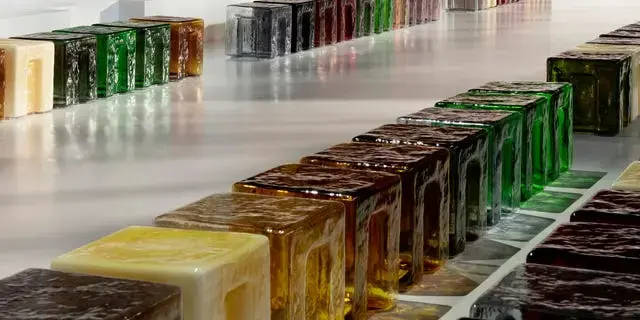
Furniture Takes Center Stage on Fashion Runways
When Textiles Become Architecture
Designers are placing chairs and carpet-like skirts directly onto catwalks. This trend blurs the boundary between wearable fashion and home decor. The shift marks a significant departure from traditional runway presentations. Audiences now see static objects integrated into dynamic fashion shows.
Breaking News
 Nicole Kidman Channels 'Babygirl' Style at Victoria’s Secret Show
 Sally Perez Brings UCLA Swag to Rocket Dog’s 30‑Year Celebration
 Vans Launches Holiday Collection With Sequins, Plaid and Cozy Upgrades
 Teyana Taylor Elevates Academy Museum Gala with Schiaparelli Couture Breastplate
This movement challenges the rigid separation between clothing and interior design. Creators are experimenting with how textiles function in both spaces. A skirt can serve as a floor covering. A chair becomes part of the outfit’s narrative. The physical presence of furniture on stage forces viewers to rethink utility. It highlights the material overlap between what we wear and what surrounds us.
The integration of solid objects into soft garments creates new visual dynamics. Designers use heavy fabrics that mimic the weight of upholstery. Some pieces feature structural elements usually found in cabinetry or seating. These items do not just sit beside the models; they interact with them. The furniture acts as an extension of the body. It defines space within the confined runway environment. This approach turns the show into a miniature living room. Viewers observe how personal style intersects with domestic comfort. The aesthetic relies on tactile richness rather than mere silhouette.
Is the Catwalk Now a Living Room?
Critics note that this trend reflects a broader cultural desire for multifunctional objects. People spend more time in hybrid spaces today. Home offices and living areas merge constantly. Fashion must adapt to this fluidity. By bringing furniture to the front, designers acknowledge this reality. They suggest that style is not limited to skin. It encompasses the immediate environment. This philosophy supports sustainable design principles. Durable, high-quality materials often survive longer than fast-fashion items. The focus shifts from disposable trends to lasting pieces.
The question remains whether this is a passing phase or a permanent shift. Major brands have begun incorporating modular seating into their seasonal displays. Models walk around tables and lounge on sofas during presentations. The audience sits closer to the action. The distance between observer and observed shrinks dramatically. This intimacy changes how stories are told through fashion. It invites participation rather than passive viewing. The runway becomes a social space. It mirrors the communal nature of modern interiors.
Frequently Asked Questions
Looking ahead, expect more collaboration between textile mills and furniture makers. Shared supply chains will reduce waste. New materials will emerge that suit both applications. Consumers may find matching sets for their wardrobes and rooms. The distinction between buying clothes and buying decor will fade. Designers will likely launch collections that include both categories simultaneously. This holistic approach could redefine retail strategies. Stores might display outfits next to sofas. The goal is to sell a lifestyle, not just a garment. As this evolution continues, the fashion industry will look less like a parade and more like a curated home.
Why are designers using furniture on runways? They aim to blur the line between personal style and home decor. This highlights the material connection between what people wear and what they live with. It reflects modern hybrid living spaces.
Does this trend affect consumer shopping habits? It encourages buyers to look for versatile, durable items. Shoppers may seek pieces that function in multiple roles. This reduces the need for separate fashion and interior purchases.