From Detroit to Brooklyn: Maurice Malone’s Path Through Fashion and Hip‑Hop
From Vinyl to Vogue: The Detroit Roots That Shaped a Brand
Maurice Malone, the creative force behind Williamsburg Garment Co., spoke about his life at the 2026 Black Footwear Forum in New York. He recalled his youth in Detroit’s Hip‑Hop Shop, his early friendship with Eminem, and the uphill battle Black designers face in the fashion world.
Breaking News
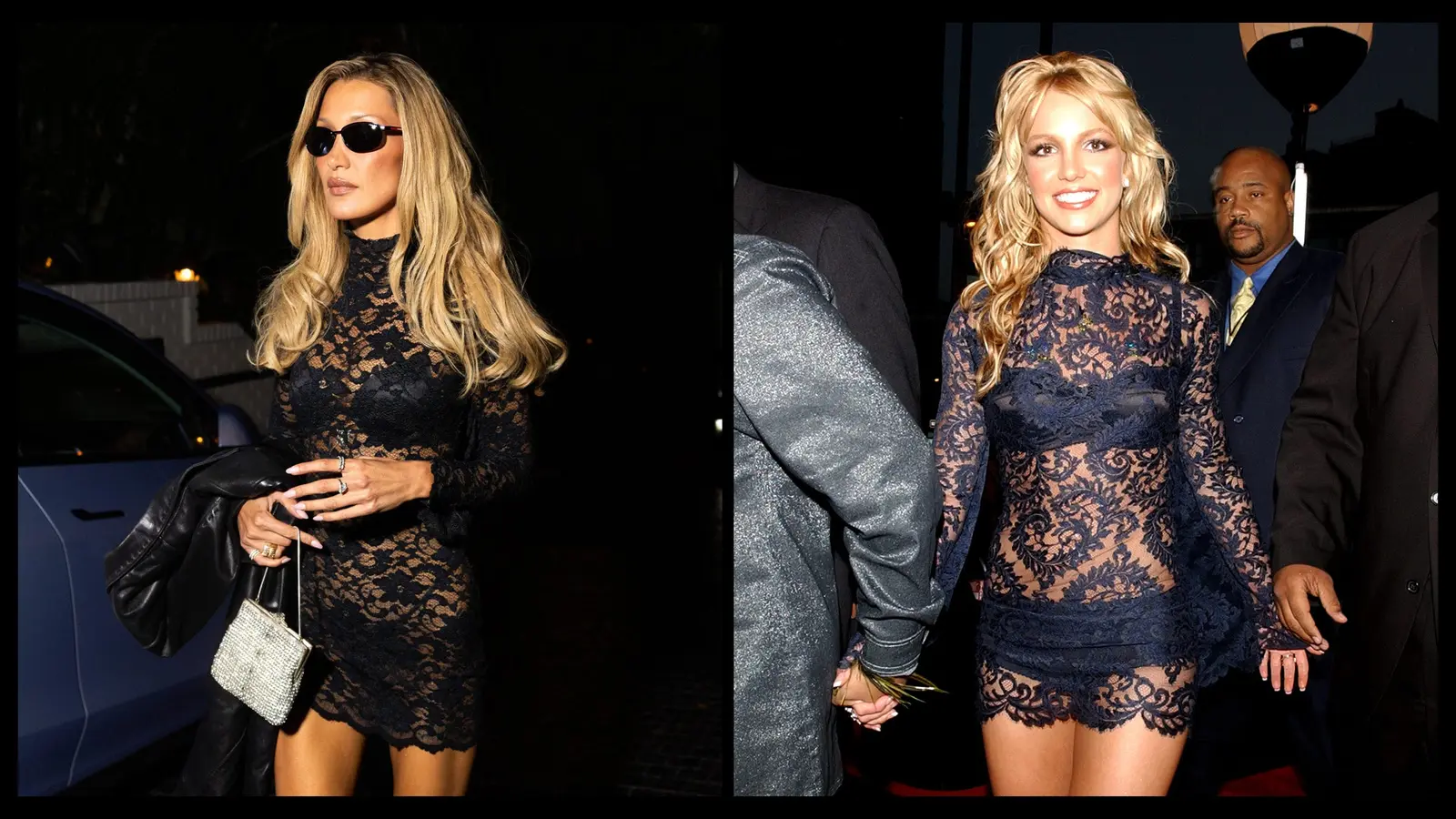 Bella Hadid Recreated Britney Spears's iconic VMAs Dress for the Victoria's Secret After Party
 Bridal Couture Sets New Standards at New York Fashion Week
 Fall Manicure Trends: 7 Simple Ways to Refresh Your Look
 Durango Expands Beyond Boots with New Apparel and Accessories Licenses
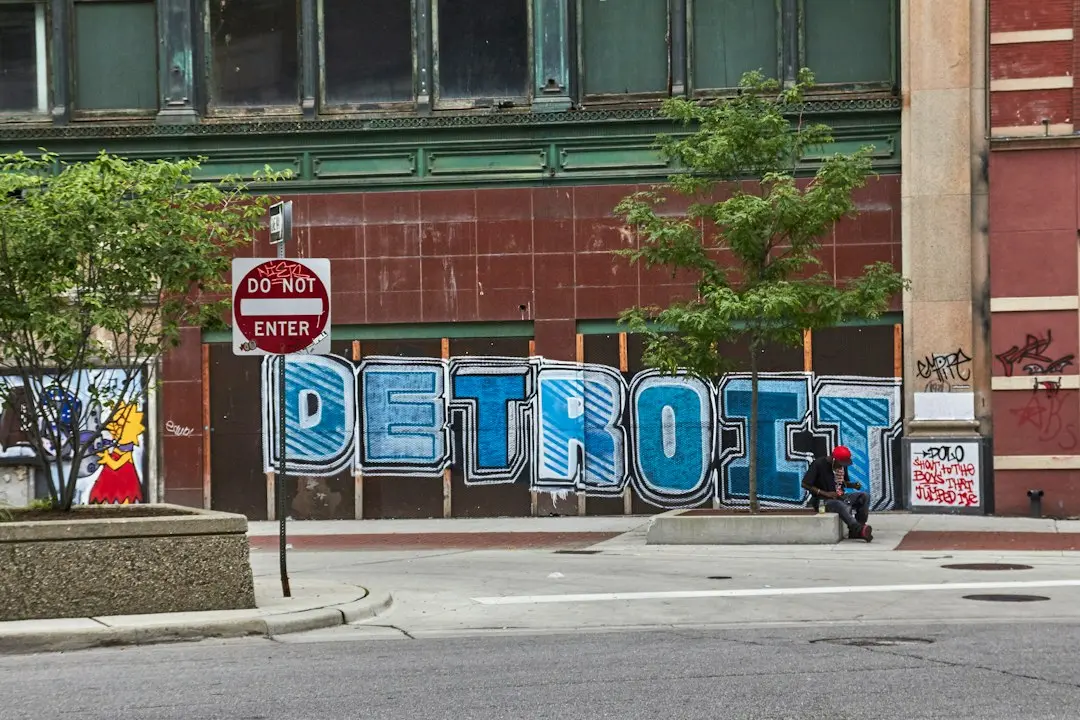
In 1984, a 19‑year‑old Malone walked into the Hip‑Hop Shop in Detroit. The store was a hive of vinyl, sneakers, and fresh beats. He found mentors in local DJs and designers who taught him the craft of tailoring and the rhythm of street style. The shop became a laboratory where he mixed music and fashion, shaping his future brand identity.
Why Fashion Became a Fight: Overcoming Racial Barriers in Design
Malone credits the Hip‑Hop Shop for grounding him in authenticity. „The shop was where I learned to read a crowd’s pulse,” he said. He experimented with bold colors and oversized silhouettes that echoed the era’s music videos. His friendship with Eminem, then a local rap star, gave him insights into the music industry’s demands for visual storytelling. This partnership helped Malone design stage outfits that resonated with audiences worldwide.
The transition to Brooklyn marked a new chapter. Williamsburg’s creative scene welcomed him, and he opened his first boutique in 1990. The boutique became a hub for artists and musicians, reinforcing Malone’s belief that fashion should be a collaborative art form. He continued to use Detroit’s raw energy in his designs, blending streetwear with high‑fashion tailoring.
Malone’s journey was not without obstacles. He recalls being told that Black designers could not command the same respect as their white counterparts. „The industry’s gatekeepers often dismissed our ideas,” he explained. He fought for recognition by building a strong portfolio and networking with influential buyers.
Frequently Asked Questions
His brand’s success forced industry leaders to confront their biases. Malone’s insistence on inclusive sizing and diverse models pushed retailers to broaden their offerings. He also mentored young Black designers, offering them apprenticeships and exposure to high‑profile projects.
The fight has paid dividends. Williamsburg Garment Co. now partners with major retailers and sponsors community fashion shows. Malone’s story serves as a blueprint for aspiring designers who face systemic barriers.