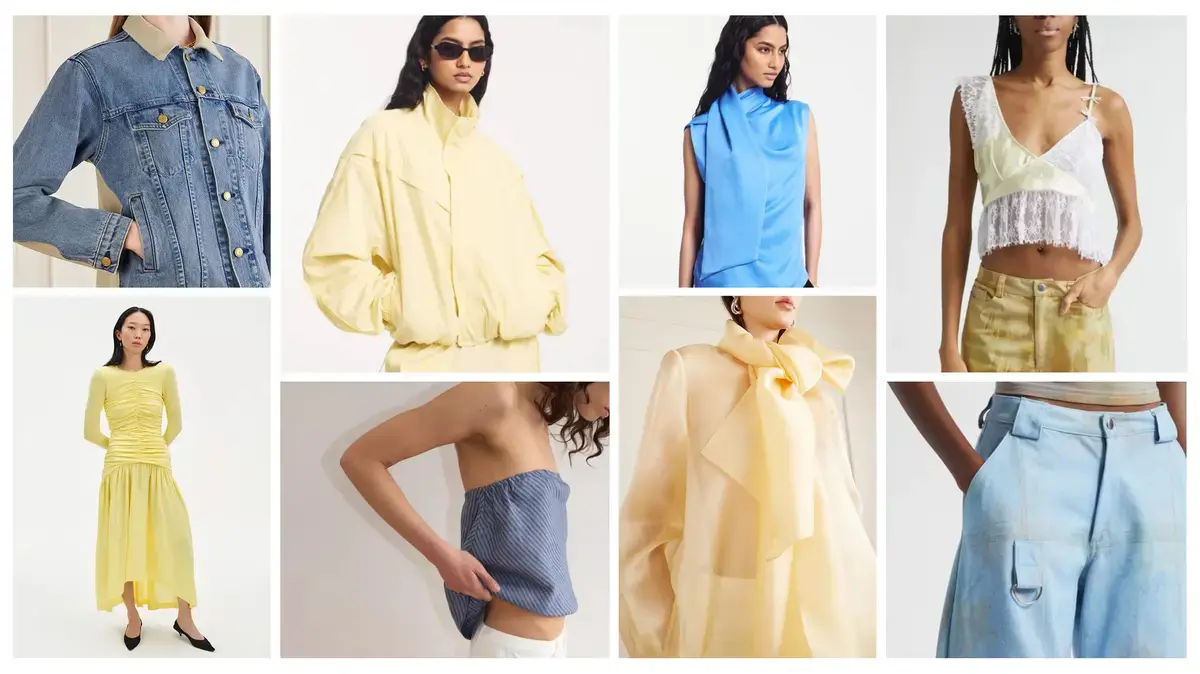
Ethical Style: Brands Leading the Way
Redefining Material Choices
Consumers increasingly want fashion that aligns with their values. Several brands demonstrate that style and sustainability aren’t mutually exclusive. These companies prioritize ethical production and eco-friendly materials. They offer fashionable choices for conscious shoppers everywhere.
Breaking News
 Ecoalf Unveils Salt‑Infused Store on Barcelona’s La Rambla
 Bianca Censori Opts for Bold Sheer Ensemble During Los Angeles Night Out
 The Best Slippers for Women: Comfort Meets Style
 Nicole Kidman Channels 'Babygirl' Style at Victoria’s Secret Show
The demand for sustainable fashion is growing rapidly. Many traditional fashion practices harm the environment and exploit workers. These brands are challenging that model. They focus on reducing waste, using organic materials, and ensuring fair labor practices. This shift benefits both people and the planet.
Many sustainable brands are innovating with materials. They’re moving beyond conventional cotton, which requires significant water and pesticides. Some utilize recycled fabrics, transforming waste into new garments. Others explore plant-based alternatives like organic linen, hemp, and Tencel. These materials have a lower environmental impact.
Can Fashion Truly Be Circular?
One key aspect is traceability. Brands are becoming more transparent about their supply chains. They want customers to know where their clothes come from and how they’re made. This transparency builds trust and allows consumers to make informed decisions. It also encourages better practices throughout the industry.
The concept of a circular economy is gaining traction in fashion. This means designing products for durability and recyclability. Brands are exploring take-back programs, allowing customers to return old clothes for repurposing. Repair services are also becoming more common, extending the life of garments.
However, achieving true circularity is complex. It requires collaboration across the entire supply chain. It also demands changes in consumer behavior. People need to embrace clothing rental, resale, and mindful consumption.
The rise of sustainable brands is a positive step. It shows that ethical fashion is not just a niche trend. It’s a growing movement with the potential to transform the industry. Continued innovation and consumer support will be crucial for its long-term success. This could lead to a more responsible and equitable fashion future.
Frequently Asked Questions
What makes a brand truly sustainable? Sustainability involves multiple factors. These include eco-friendly materials, ethical labor practices, and a commitment to reducing waste. Transparency in the supply chain is also essential.
Are sustainable clothes more expensive? Often, sustainable clothing has a higher price point. This reflects the cost of ethical production and quality materials. However, investing in durable, timeless pieces can be more cost-effective in the long run.
How can consumers support sustainable fashion? Consumers can choose sustainable brands, buy less, and care for their clothes properly. Supporting resale and rental platforms also helps reduce waste.