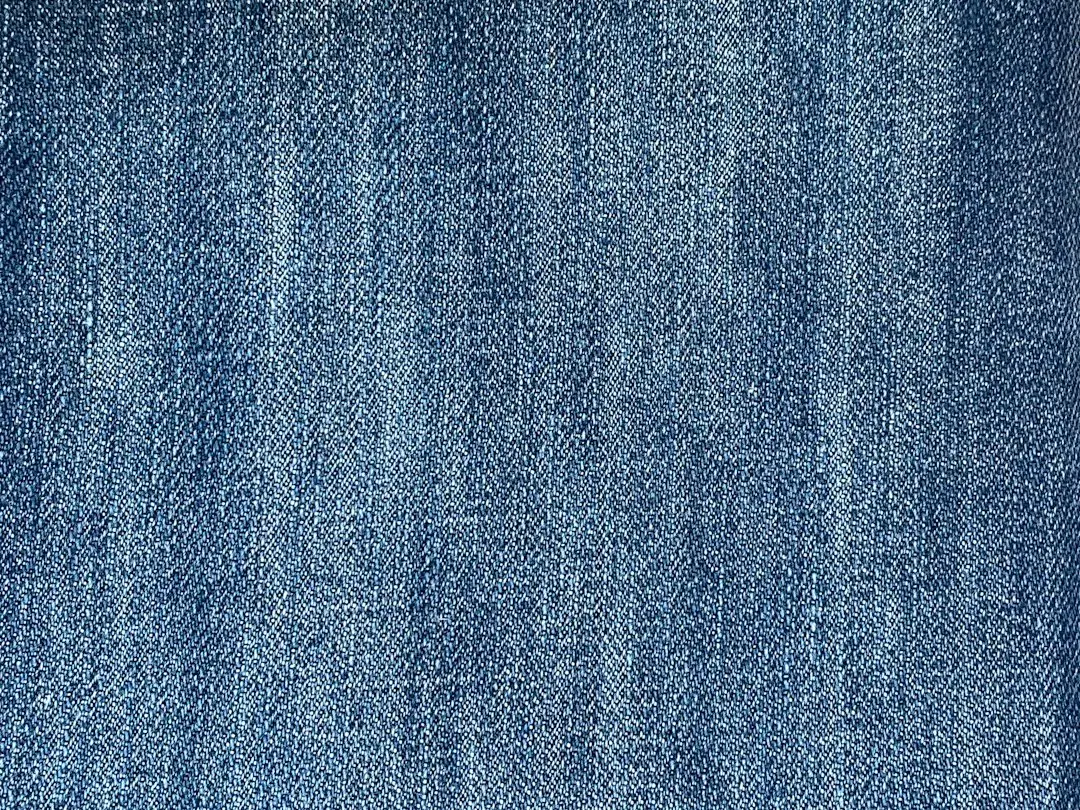
Denim Mills Explore Modal Fiber for Enhanced Comfort and Drape
Why Mills Are Choosing Modal Over Lyocell
Major denim manufacturers are increasingly turning to modal fiber to refine fabric performance. While lyocell remains the dominant wood-based alternative in the industry, modal offers distinct advantages. Mills are integrating this material to achieve superior softness and fluid movement. This shift addresses consumer demand for high-end comfort without sacrificing durability. The focus lies on leveraging specific chemical properties of modal for premium denim applications.
Breaking News
 Shoes for a Cure Kicks Off NY Charity Sale with Star Power
 Commando Opens Exclusive Bodysuit Bar at Saks Fifth Avenue Flagship
 Italian Luxury Footwear Steals the Spotlight at Rome Film Festival
 Neiman Marcus Celebrates 100 Years of Holiday Book with Star-Studded Fantasy Gifts Party
All man-made cellulosic fibers originate from wood pulp. However, the chemical processing methods differ significantly between types. These variations create unique physical attributes in the final yarn. Lyocell has long held the primary position in sustainable denim production. Yet, modal is gaining traction due to its exceptional tactile qualities. It provides a smoother surface and better drape compared to standard cotton blends. Manufacturers are now experimenting with higher modal content in their product lines.
Can Modal Meet Sustainability Standards?
The decision to use modal often centers on end-user experience. Modal fibers possess a naturally smooth surface that reduces friction against skin. This makes them ideal for stretch denim and close-fitting styles. The fiber absorbs moisture effectively, keeping the wearer comfortable throughout the day. Additionally, modal maintains color vibrancy better than many traditional materials. Mills report that garments made with modal require less finishing treatment. This efficiency can lower production costs while enhancing perceived quality. The drape of modal-heavy fabrics allows for more fluid garment silhouettes. Designers appreciate this characteristic for modern, relaxed fits.
Sustainability remains a critical factor in fiber selection. Modal production typically uses closed-loop solvent systems. These processes recover and reuse chemicals, minimizing waste. The raw material comes from certified sustainable forests. This aligns with the broader industry push for eco-friendly textiles. However, the environmental footprint depends heavily on the specific mill's energy usage. Some producers are optimizing their facilities to reduce water consumption. The goal is to match the ecological profile of lyocell while offering better hand feel. Brands are scrutinizing supply chains to ensure transparency in modal sourcing.
The adoption of modal signals a maturing market for alternative fibers. Consumers are no longer satisfied with basic cotton denim. They seek materials that offer both performance and comfort. Mills that master modal integration will likely capture premium market segments. As technology advances, hybrid blends may emerge. These could combine the strength of lyocell with the softness of modal. The future of denim may depend on such innovative combinations. For now, modal stands out as a key tool for differentiation. It allows brands to promise a luxurious touch in everyday wear.
Frequently Asked Questions
Is modal stronger than lyocell? Modal generally offers excellent tensile strength, comparable to lyocell. However, its primary advantage lies in softness rather than raw durability. Both fibers perform well under repeated washing cycles.
Does modal shrinkage affect fit? Modal has low shrinkage rates when properly processed. Most modern denim blends stabilize the fabric during manufacturing. This ensures consistent sizing across production runs.