CFDA Chief Attempts to Block PETA Activists at Cos Runway Event
Industry Leaders Step In to Manage Runway Disruptions
Steven Kolb, the president and CEO of the Council of Fashion Designers of America, intervened during a recent Cos fashion show. He sought to restrain PETA protesters who had gathered near the venue. The activists were specifically targeting the brand for its continued use of wool in collections. This confrontation highlighted ongoing tensions between luxury fashion houses and animal rights groups. The incident occurred in New York City, a hub for major runway events. Kolb’s presence underscored the industry’s high-level engagement with activist movements. The event drew significant attention from both media and attendees.
Breaking News
 Affordable Gems: London’s Hatton Garden Delivers Luxury on a Budget
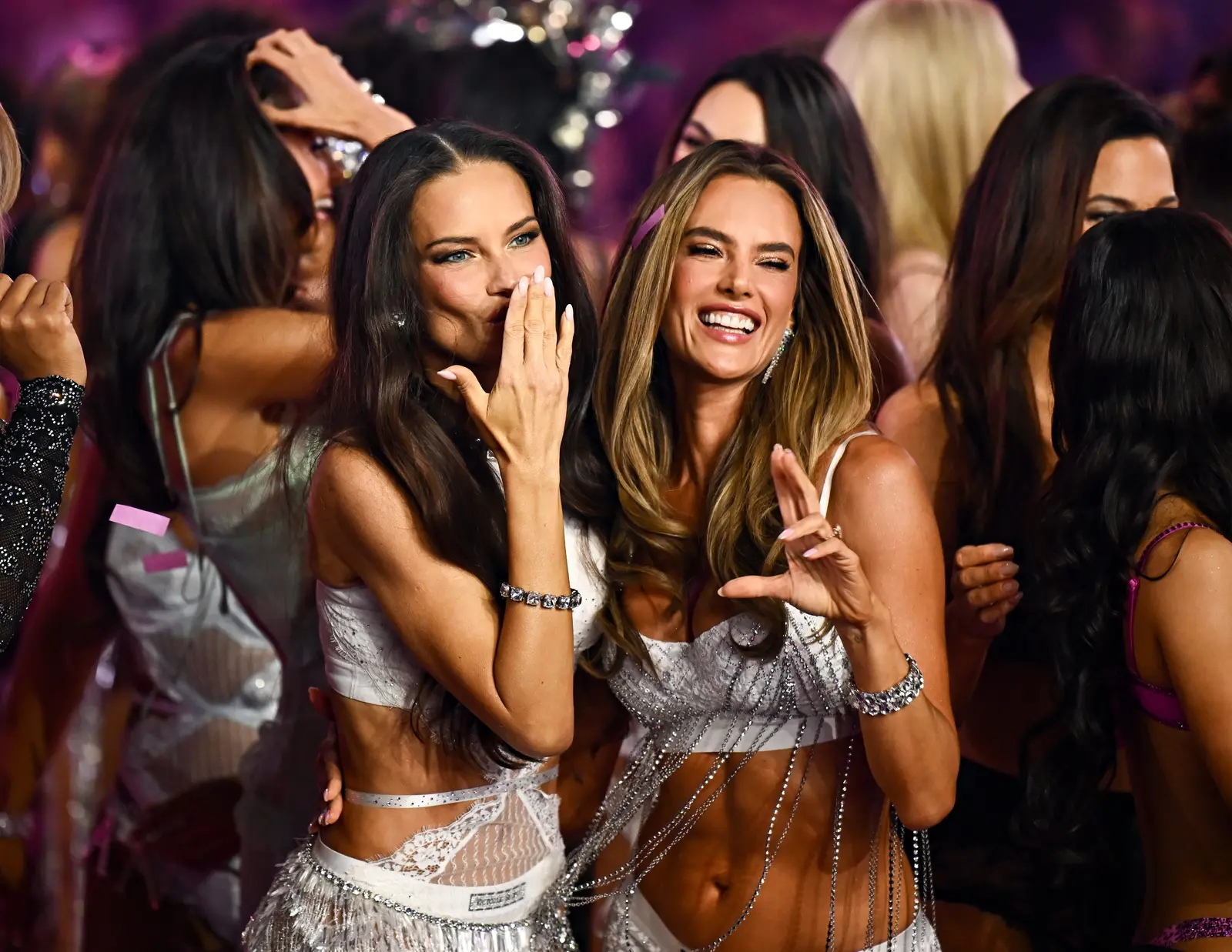 The Best Part About the Victoria’s Secret Fashion Show Was the Hot-as-Hell OG Angels
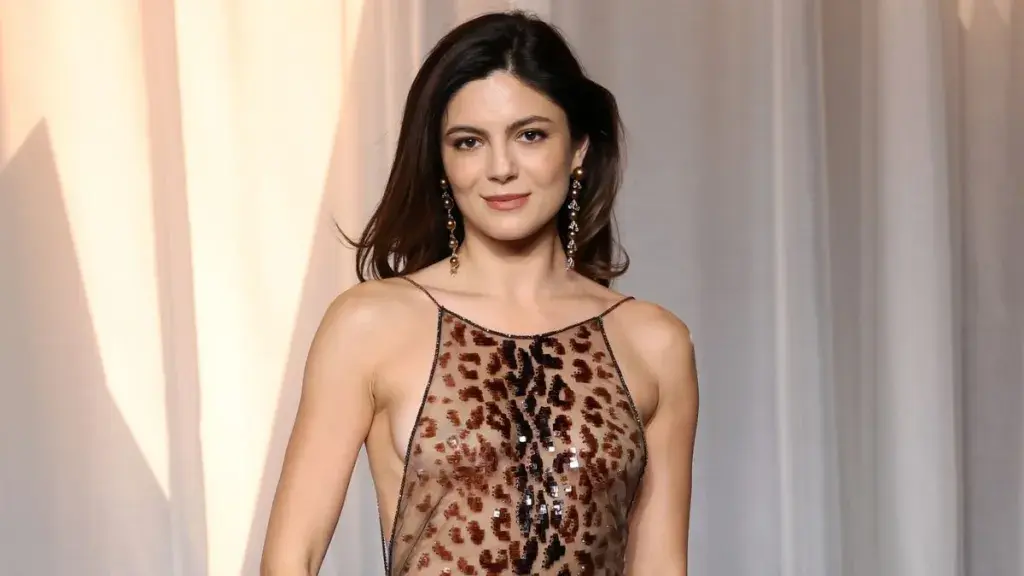 Monica Barbaro Turns Heads in Daring Sheer Gown at Academy Museum Gala
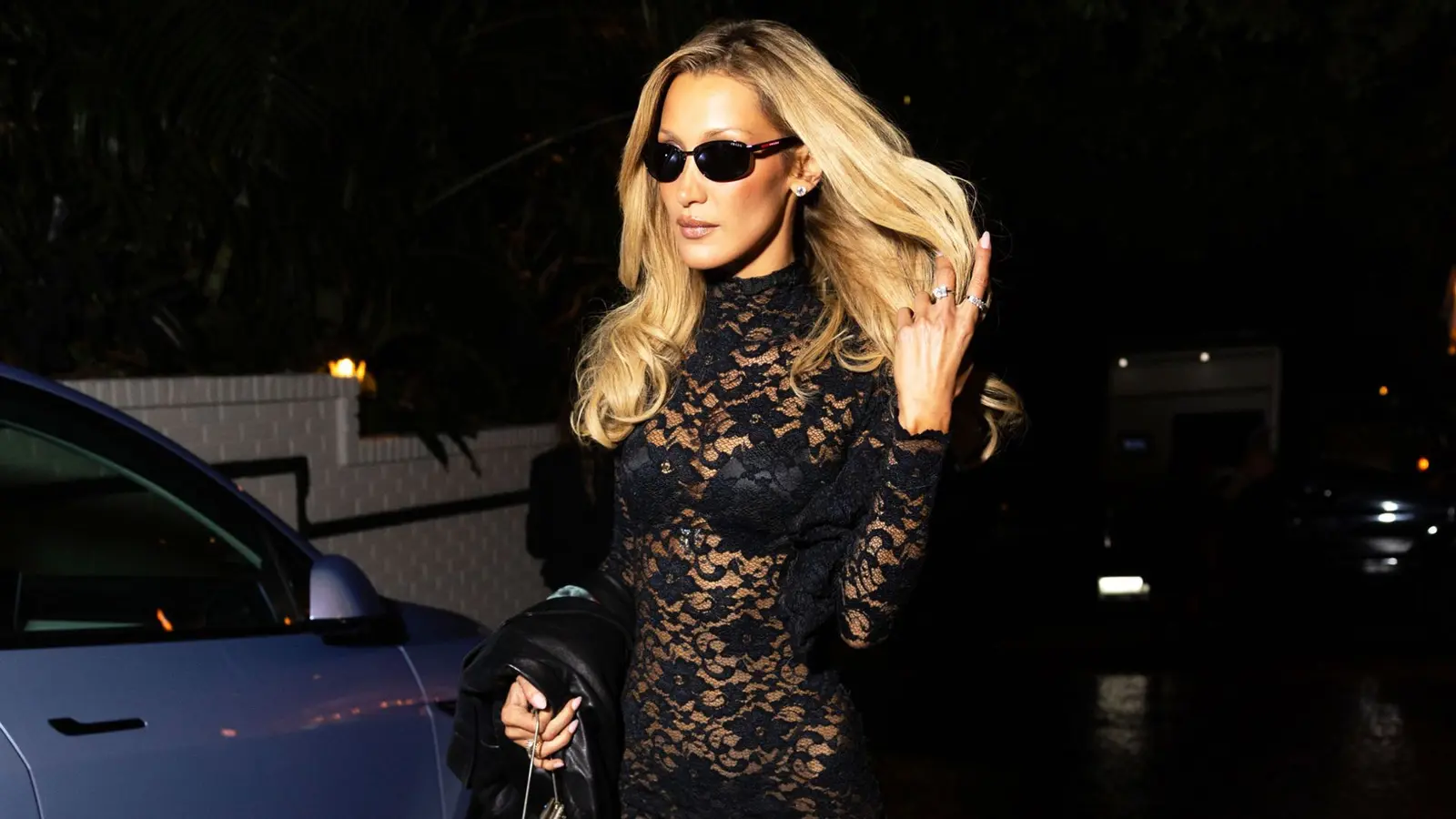 Bella Hadid Channels Britney Spears’ Iconic 2001 Style at Victoria’s Secret After-Party
The core issue centered on Cos’ commitment to natural fibers. PETA argued that wool production often involves painful shearing practices. They demanded the brand switch to plant-based or synthetic alternatives. The organization has long campaigned against animal-derived materials in fashion. Their protest aimed to pressure Cos into changing its sourcing policies. This specific focus on wool marked a shift from previous fur-focused campaigns. The group emphasized the ethical implications of sheep farming. They cited animal welfare concerns as their primary motivation for the disruption.
Can Wool Survive the Ethical Scrutiny of Modern Consumers?
Kolb took an active role in mediating the situation. As head of the CFDA, he represents the interests of many American designers. His intervention was designed to keep the show running smoothly. He worked to separate the protesters from the main stage area. This move prevented further delays to the scheduled presentation. The CFDA often serves as a bridge between brands and external stakeholders. Kolb’s actions reflected a broader strategy to manage public relations risks. He aimed to balance artistic expression with logistical needs. The presence of such a high-profile figure signaled serious concern. It showed that the fashion community takes these protests seriously.
The debate over wool remains a contentious topic within the sector. Many consumers view it as a sustainable alternative to synthetics. However, animal rights advocates point to the handling of sheep. They argue that the process causes stress and injury to the animals. Cos has not yet announced a definitive change in policy. The brand continues to feature wool in its seasonal offerings. This standoff illustrates the complex decision-making process for modern labels. Balancing tradition with new ethical standards is challenging. The outcome of this protest may influence future collections. Other brands are watching closely to gauge consumer reaction.
The incident sets the stage for continued dialogue between PETA and fashion houses. Future shows may see similar disruptions if issues remain unresolved. The industry must decide how to address these concerns effectively. Transparency in supply chains could help mitigate future conflicts. Brands might consider clearer labeling or hybrid material approaches. The pressure from activists shows no sign of slowing down. Consumers are increasingly vocal about their purchasing choices. This trend forces designers to rethink their material palettes. The next few seasons will reveal if Cos adapts to the criticism. The fashion world remains in a state of flux regarding animal ethics.
Frequently Asked Questions
Why did PETA target the Cos fashion show? PETA protested because Cos uses wool in its clothing lines. The organization believes wool production harms sheep through shearing and handling practices.
Who is Steven Kolb in this context? Steven Kolb serves as the president and CEO of the CFDA. He intervened to manage the protest and ensure the show proceeded without major delays.