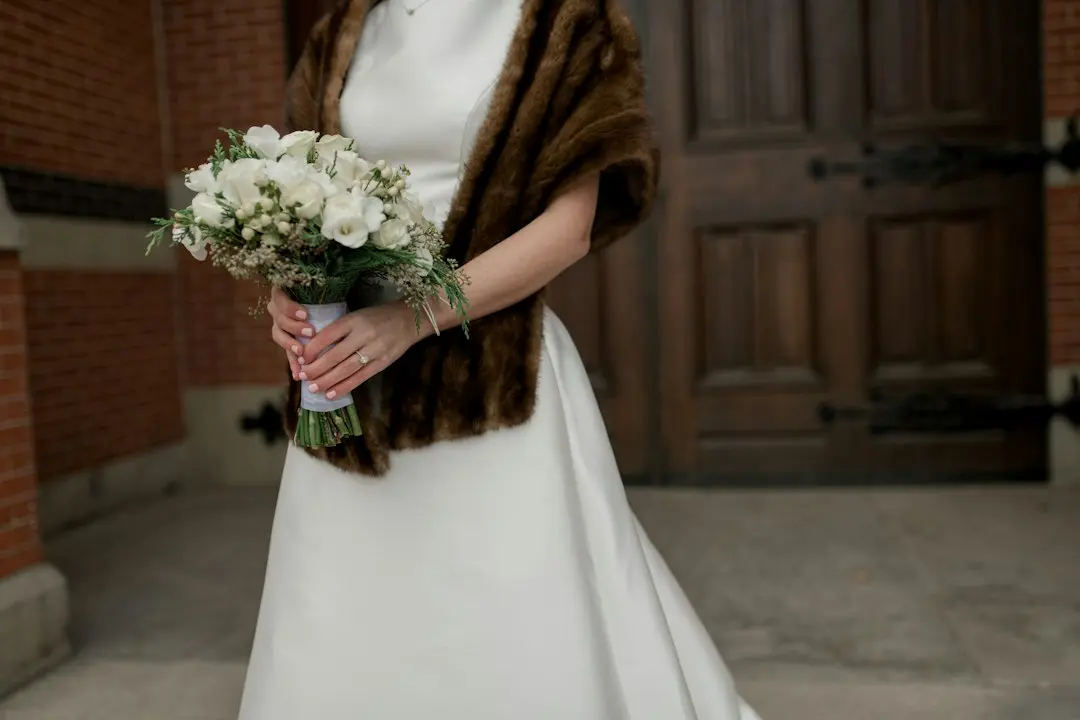
Bride Stole My Look! Jaclyn Whyte’s Solution for Wedding Dress Copycats
Why Traditional Fashion Cycles No Longer Work for Bridal Design
Toronto-based designer Jaclyn Whyte is stepping away from the traditional bi-seasonal fashion calendar to combat the growing trend of wedding dress imitation fueled by social media. Frustrated by brides copying her designs after seeing them online, Whyte is rethinking how and when she releases her collections to protect her creative work in an era where wedding attire goes viral within hours.
Breaking News
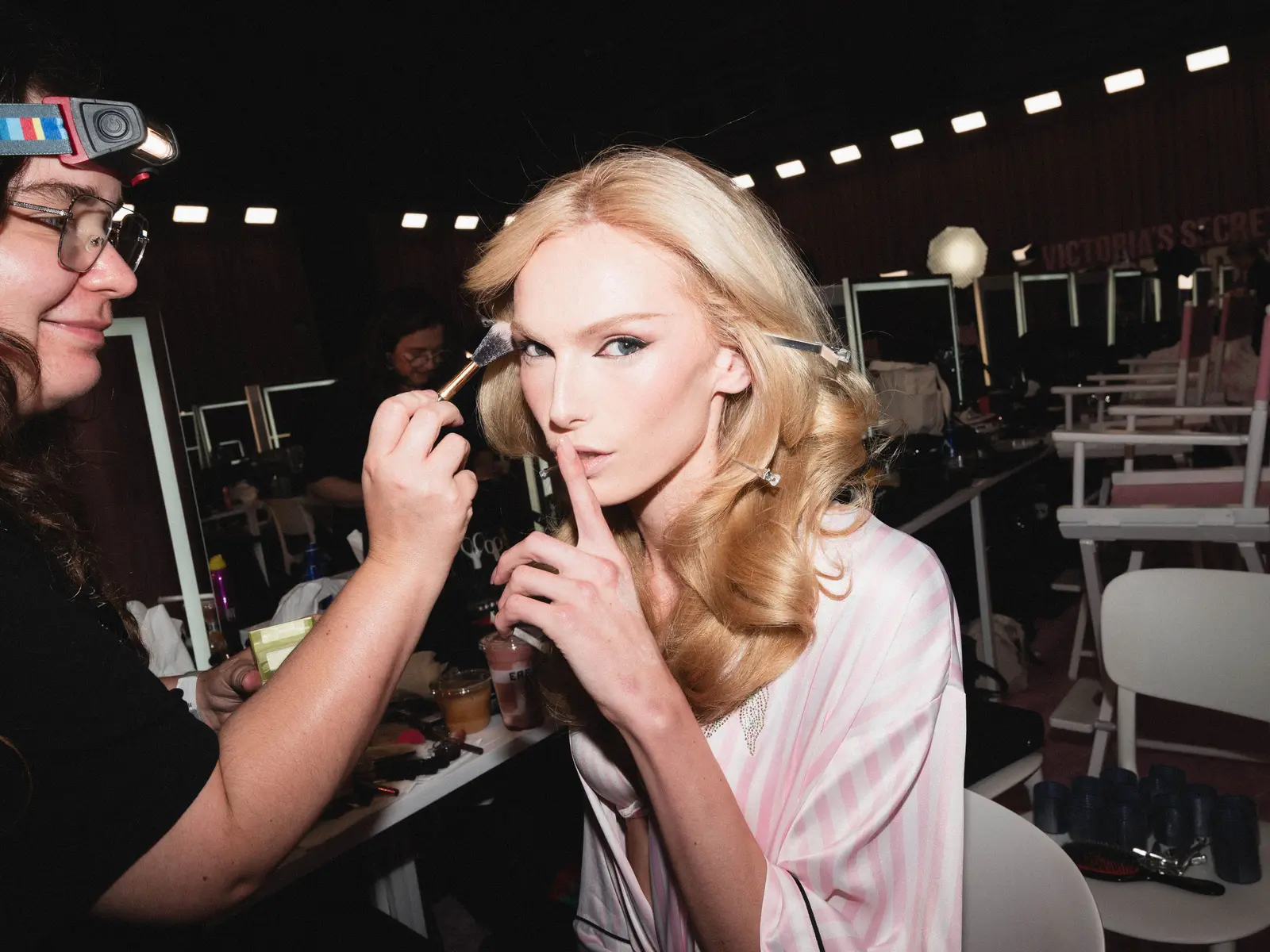 Alex Consani Prepares for Third Victoria's Secret Fashion Show Appearance
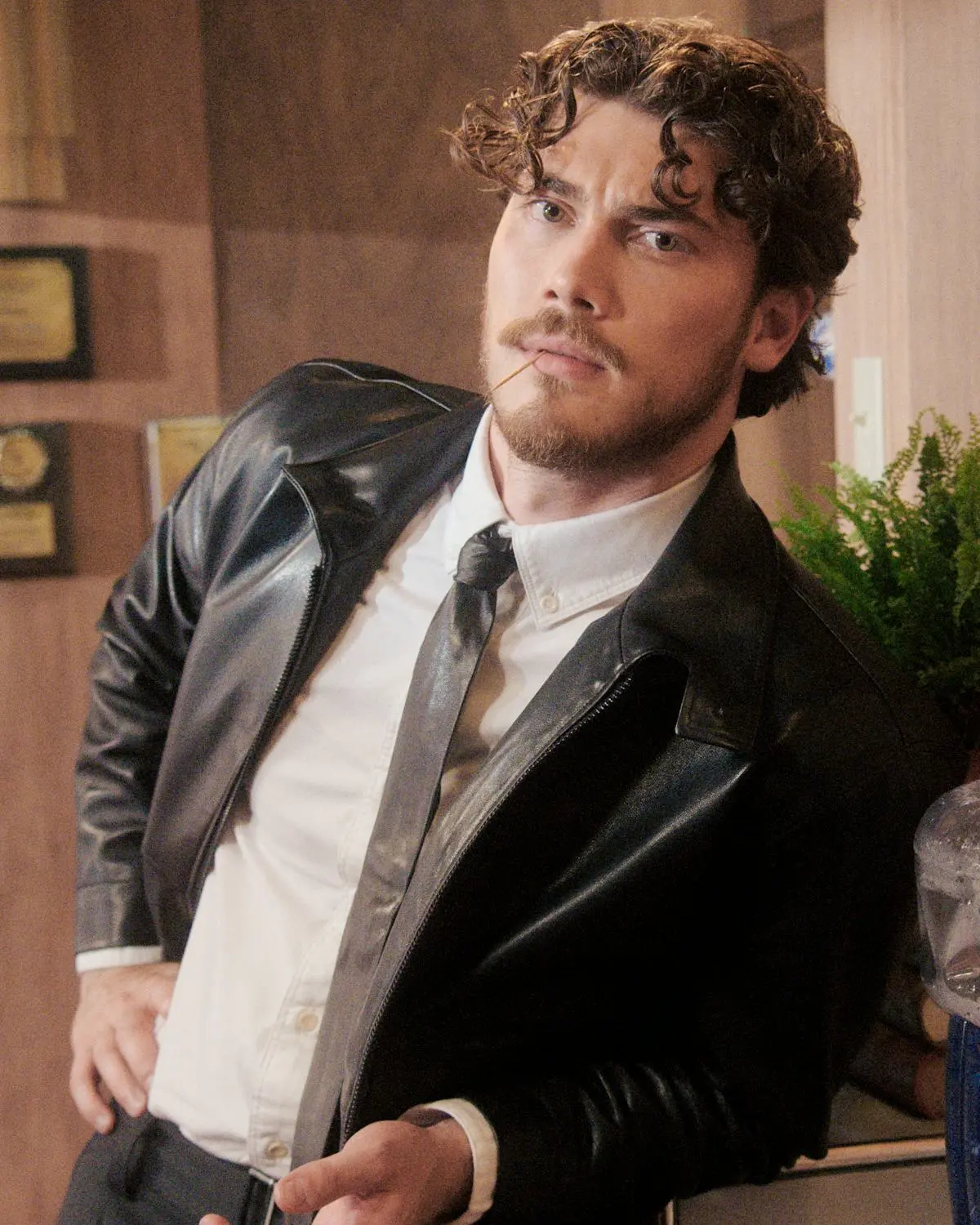 Jack Innanen Stars in Banana Republic's New Comedy Campaign 'The Agency
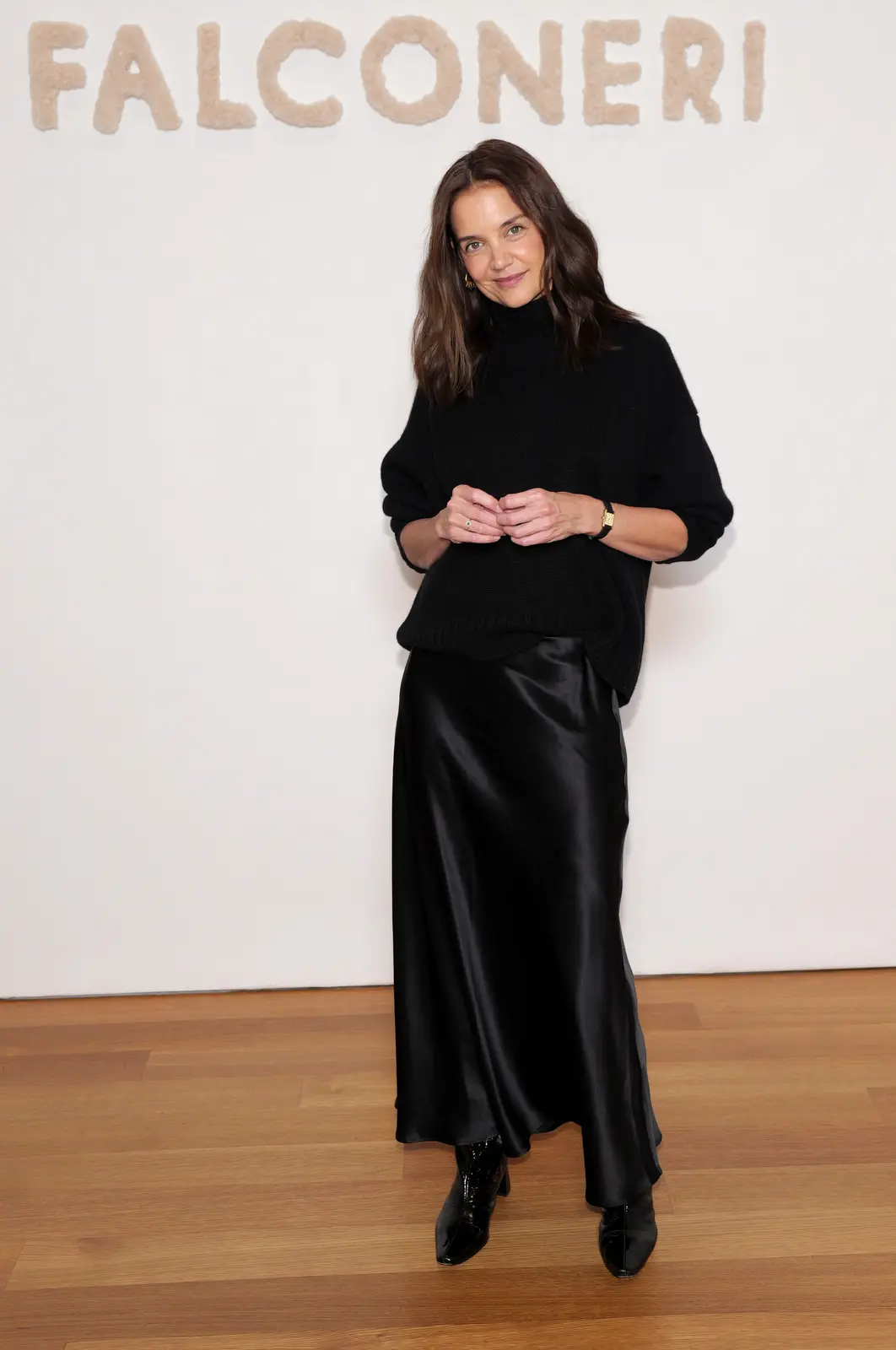 Katie Holmes Shines in Sequin Skirt at London Fashion Event
 From the Runway to the Red Carpet, Has the Clear Shoe Trend Gone Too Far?
The shift comes as platforms like Instagram and TikTok turn weddings into highly visible style moments, where a single dress can inspire dozens of replicas almost instantly. Whyte, known for her romantic, detail-oriented bridal gowns, says the pressure to constantly produce new looks for seasonal cycles has become unsustainable. Instead of adhering to fall and spring releases, she plans to adopt a more fluid, demand-driven approach that prioritizes originality over timing.
How Will This Change Affect Brides and Boutiques?
Whyte explains that the bi-seasonal model forces designers to create collections months in advance, often leading to rushed designs that lack the refinement brides deserve. By the time her fall collection hits boutiques, images of early versions have already circulated online, encouraging knockoffs before the official launch. This not only undermines her brand but also devalues the craftsmanship behind each gown. She argues that bridal fashion should move at the pace of inspiration, not arbitrary deadlines.
Under her new strategy, Whyte will release designs in smaller, more frequent drops based on real-time interest and feedback from clients and retailers. This allows her to refine styles before wide distribution and reduces the window for imitation. Boutiques will receive updated inventory more regularly, while brides gain access to fresher, less duplicated options. Whyte believes this model fosters stronger relationships between designers, sellers, and wearers, shifting focus from mass trends to personal expression.
What Happens When Inspiration Becomes Imitation?
The designer recalls instances where brides arrived at fittings wearing near-exact replicas of her gowns, sourced from overseas manufacturers who replicated designs after seeing them on social media. „It’s disheartening,” she says. „You pour your heart into a piece, and months later, you see a version missing the soul, the fabric, the fit—just the silhouette copied.” Whyte hopes her new approach will discourage fast-fashion copying by making original designs more accessible and timely.
Why is Jaclyn Whyte leaving the bi-seasonal calendar? She believes the traditional schedule fuels design theft and compromises quality, preferring a responsive system that protects creativity and meets brides’ evolving needs.
Frequently Asked Questions
How will smaller, more frequent drops prevent copying? By shortening the time between design unveiling and retail availability, there’s less opportunity for counterfeiters to replicate and mass-produce her work before the authentic version reaches customers.
Will this change make her dresses more expensive or harder to find? Whyte aims to keep pricing consistent and improve availability through trusted boutiques, ensuring brides can access authentic designs without long waits or inflated costs.