
Bandage Dress Makes a Comeback on Runways
Designers Push the Envelope with Fabric Innovation
The iconic bandage dress, once a polarizing staple of the fashion world, has resurfaced in high‑profile collections this season. Designers are reintroducing the form‑fitting silhouette in new fabrics and cuts, sparking renewed debate among critics and consumers alike. The resurgence appears across Paris, Milan, and New York shows, with models showcasing the garment in both classic black and bold, contemporary hues.
Breaking News
 European Labels Spark U.S. Interest, Yet Buyers Back Out Over Costs and Hassles
 Dua Lipa Dons Chanel for Night Out at Yankee Stadium with Callum Turner
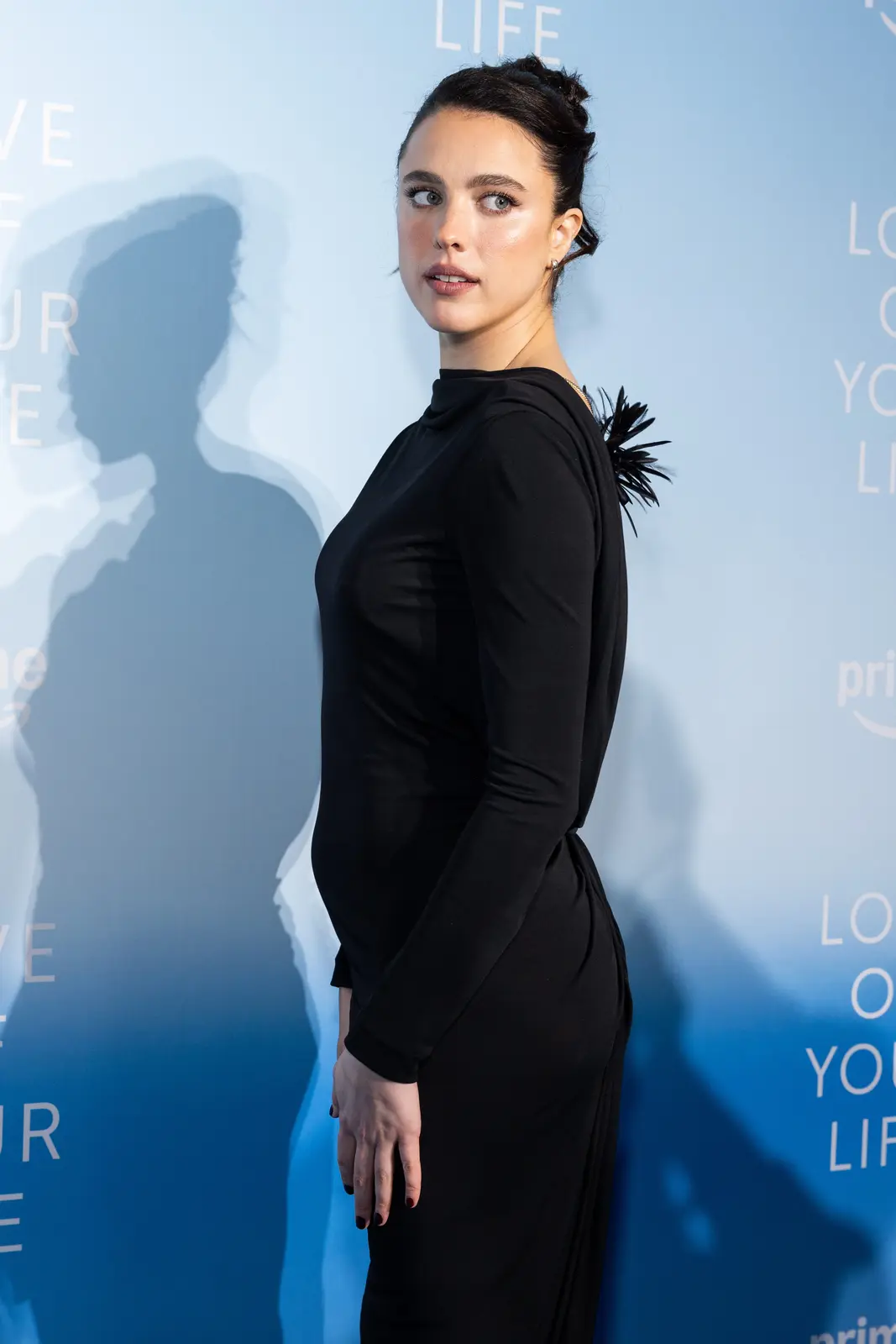 Margaret Qualley Turns Heads in Chanel Gown at NYC Film Screening
 Olivia Rodrigo Stuns Fashion World With Daring Hollywood Reporter Cover Look
Industry insiders say the revival is driven by a combination of nostalgia and innovation. Fashion houses are experimenting with lighter materials, such as breathable mesh and stretchable elastane blends, to address past concerns about discomfort and restrictive fit. The updated designs aim to balance the dress’s signature sculpting effect with greater wearability, appealing to a broader audience.
Is the Bandage Dress Still Too Controversial?
Several houses have announced that they are using cutting‑edge textiles in their new bandage dress iterations. One leading brand introduced a moisture‑wicking, high‑tenacity knit that maintains the garment’s dramatic shape while allowing airflow. Another has incorporated a seamless, laser‑cut construction that eliminates visible seams, reducing bulk and enhancing comfort. These technical advances suggest that the dress can now be worn for longer events without compromising the desired aesthetic.
The trend also reflects a shift toward sustainability. Some designers are sourcing recycled polyester and organic cotton for their bandage dress lines, responding to consumer demand for eco‑friendly fashion. By combining performance fabrics with recycled content, brands hope to reduce the environmental footprint associated with high‑impact garments.
Critics remain divided over the dress’s place in contemporary fashion. While some applaud the modernized approach, others argue that the garment’s form‑fitting nature perpetuates unrealistic beauty standards. Social media influencers have voiced concerns about the dress’s potential to restrict movement and cause discomfort during extended wear. In response, designers emphasize the importance of proper sizing and fit, offering custom tailoring options to mitigate these issues.
Frequently Asked Questions
Despite the debate, sales data indicates a steady increase in demand. Retailers report that the bandage dress continues to attract buyers, especially among younger consumers who appreciate its edgy, statement‑making qualities. The garment’s popularity is also buoyed by its presence in popular culture, with celebrities frequently spotted wearing variations of the design at red‑carpet events.
The resurgence of the bandage dress underscores a broader trend in fashion: the blending of classic silhouettes with modern technology. As designers refine materials and construction methods, the garment may evolve into a more inclusive and comfortable option for a wider range of wearers.