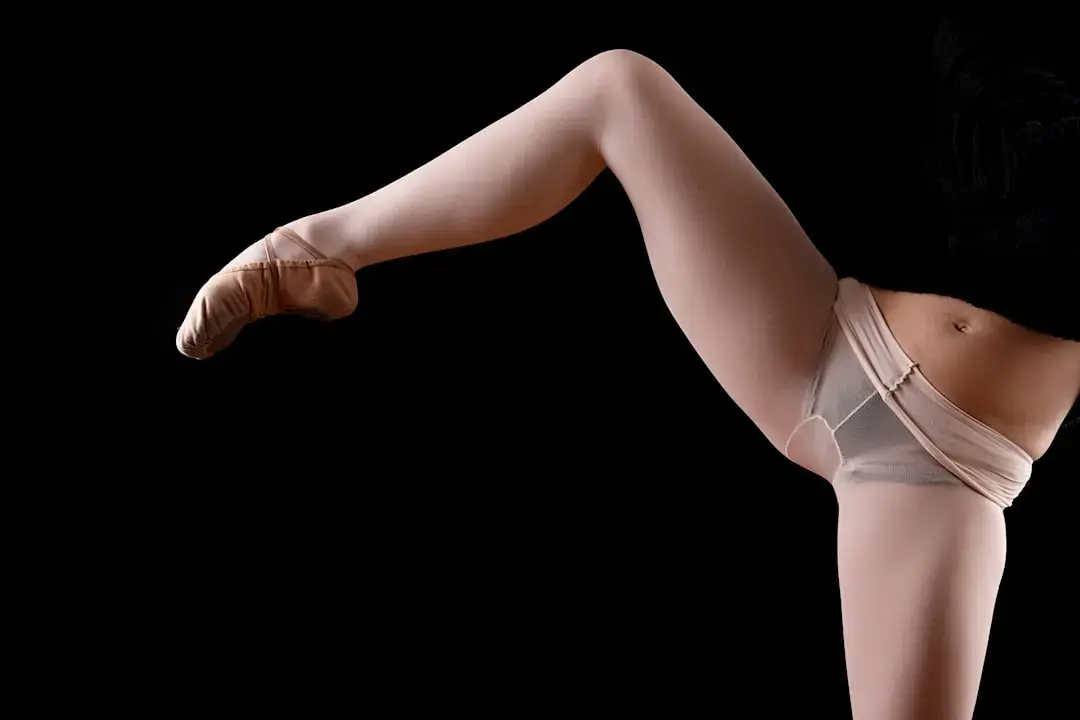
Ballet pointe shoes are driving a major shift in contemporary footwear design. Major fashion houses and emerging brands are reimagining the classic silhouette. This trend spans multiple categories, including athletic wear and formal evening wear. The rigid structure of traditional dance shoes is being softened for everyday use. Designers are blending historical aesthetics with modern materials. This movement signals a significant departure from standard sneaker or heel designs. The result is a versatile line of hybrid footwear that appeals to diverse demographics. Consumers are responding positively to this fusion of art and utility. The industry is currently witnessing a surge in demand for these specific styles
Rigid Structures Meet Flexible Materials
The core appeal lies in the distinctive shape of the pointe shoe. Its pointed toe and reinforced box provide a unique visual identity. Modern interpretations often remove the extreme rigidity while keeping the form. This allows for greater comfort without sacrificing the aesthetic. Brands are experimenting with flexible soles and breathable uppers. The goal is to make the look accessible to non-dancers. By stripping away the technical demands of ballet, designers create wearable art. This approach bridges the gap between performance gear and street style. The influence extends beyond just the toe shape to include overall proportions.
Breaking News
 8 Body Scrubs for Glowy Skin 2026, According to Dermatologists
 If Parisians Wore Leggings Like It Girls in L.A. Do, They'd Choose This Expensive-Looking Color Trend
 The 5 Best Sunscreens to Wear Under Makeup, Tested & Reviewed by Editors
 The 6 Best NAD+ Skin Care Products 2026, According to Dermatologists
Traditional pointe shoes rely on stiff boxes to support the foot. Contemporary versions replace this with softer, more adaptable components. Designers use lightweight synthetics and engineered foams. These materials mimic the look but feel like casual sneakers. Some iterations feature chunky soles that ground the delicate upper. Others maintain a sleek, low-profile appearance for office wear. The contrast between the delicate toe and robust sole creates visual interest. This duality is central to the current design philosophy. It challenges the notion that elegant shoes must be fragile. The innovation focuses on durability and longevity.
Why Dancers Are Not the Only Audience
While rooted in dance, the trend targets a broader market. Many buyers have no connection to ballet. They are drawn to the clean, architectural lines of the shoe. The pointed toe elongates the leg visually. This makes it a favorite among fashion-forward consumers. The trend also benefits from social media visibility. Influencers frequently showcase these hybrids in casual settings. This exposure normalizes the style outside of performance contexts. Critics argue it trivializes the craft of ballet. However, proponents see it as a celebration of the form. The debate highlights the intersection of high art and commercial fashion.
The future of this trend likely involves further material innovation. We may see sustainable fabrics used in these designs. The popularity could lead to specialized lines within major brands. As the trend matures, expect more color variations. The initial monochrome palette will expand. Ultimately, the pointe shoe has transcended its stage origins. It now serves as a foundational template for new footwear. This shift ensures the style remains relevant for years to come.
Frequently Asked Questions
Are these shoes comfortable for all-day wear? Most modern versions prioritize comfort over strict performance needs. They utilize cushioned insoles and flexible outsoles. This makes them suitable for daily commuting and casual outings.
Do I need to know how to dance to buy them? No prior experience is required. The designs are tailored for general consumers. You simply choose a size that fits your foot naturally.