
Balenciaga Brings Couture Craftsmanship to Everyday Dressing
How Hand Techniques Redefine Ready-to-Wear
Pierpaolo Piccioli unveiled Balenciaga’s latest ready-to-wear collection during Paris Fashion Week on October 1, 2026, presenting designs that merge haute couture techniques with daily wearability. The show took place at the Grand Palais, drawing attention for its meticulous construction and refined silhouettes aimed at modern consumers seeking luxury in practical forms.
Breaking News
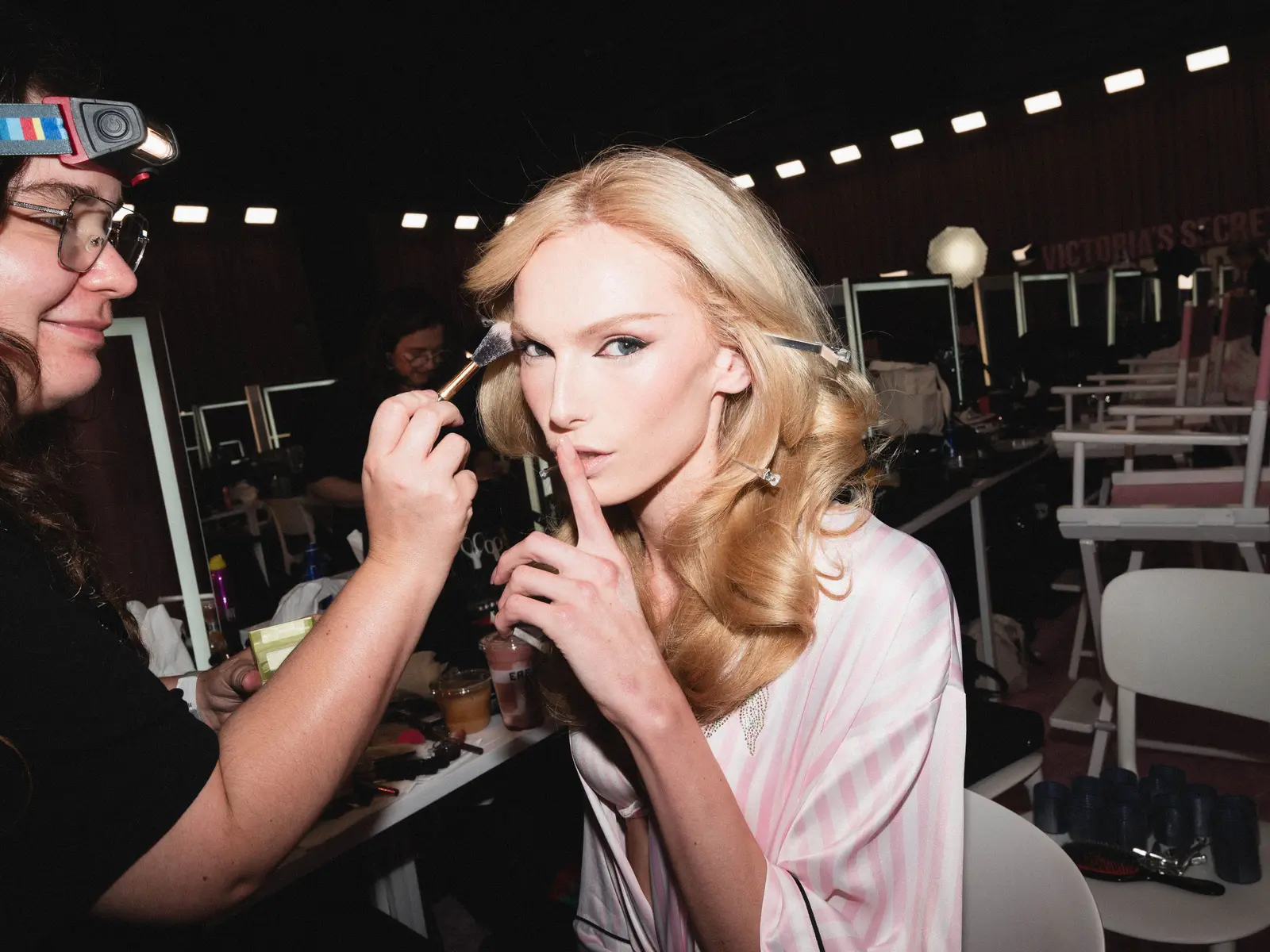 Alex Consani Prepares for Third Victoria's Secret Fashion Show Appearance
 Jack Innanen Stars in Banana Republic's New Comedy Campaign 'The Agency
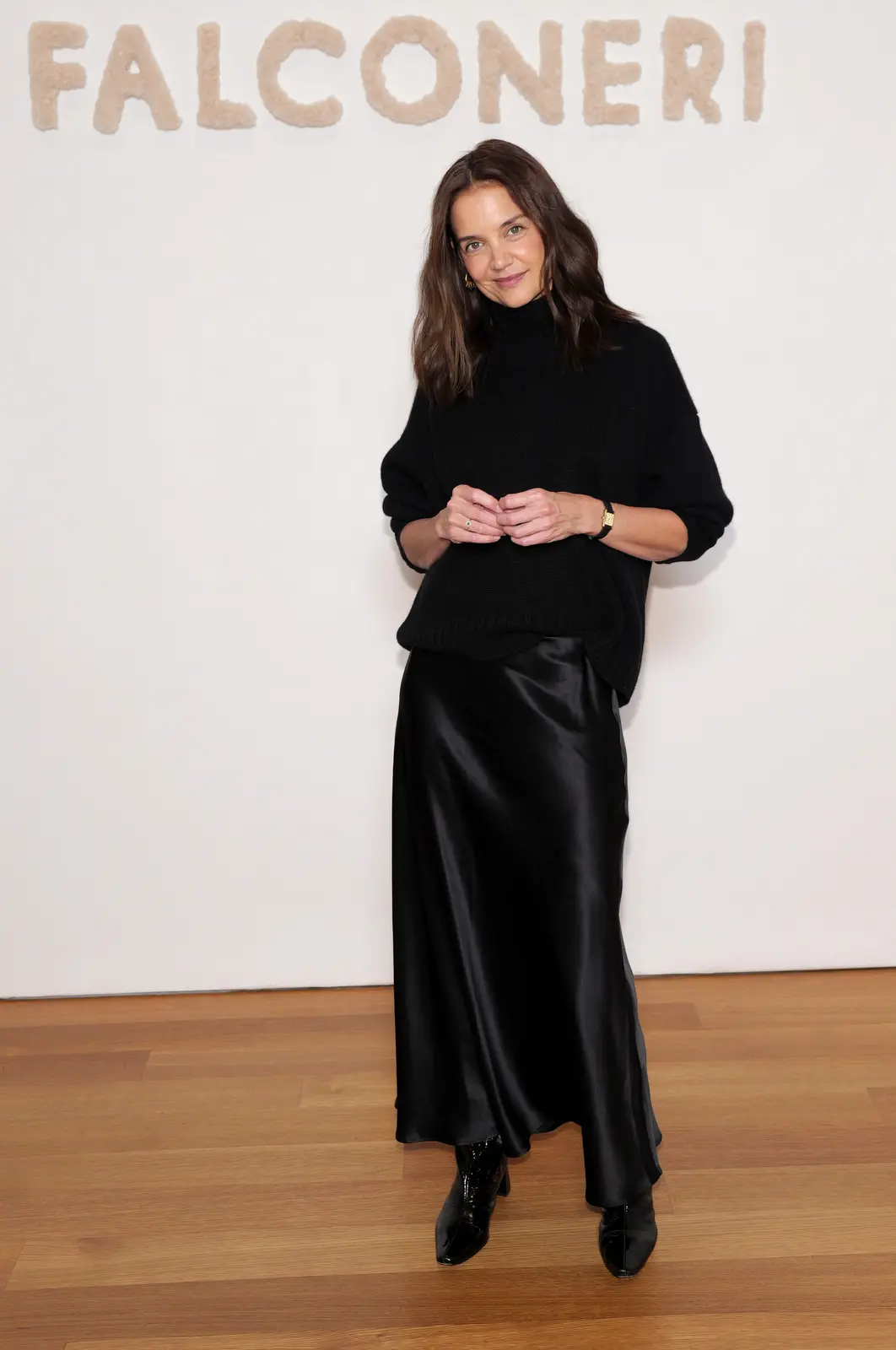 Katie Holmes Shines in Sequin Skirt at London Fashion Event
 From the Runway to the Red Carpet, Has the Clear Shoe Trend Gone Too Far?
Piccioli emphasized that the collection reflects his ongoing effort to elevate everyday garments through artisanal methods typically reserved for couture lines. Each piece underwent extensive hand-finishing, including intricate embroidery, custom dyeing processes, and structural tailoring inspired by archival Balenciaga techniques. The designer stated that accessibility does not mean compromising on quality, asserting that true innovation lies in making exceptional craftsmanship part of routine dressing.
The collection featured over 40 looks where traditional couture elements appeared in unexpected contexts. Wool coats displayed hand-knitted linings usually seen only in evening gowns, while silk blouses incorporated pleating methods passed down from 1950s ateliers. Piccioli explained that his team spent six months developing new ways to apply these labor-intensive processes without inflating production timelines. „We asked ourselves how to make the extraordinary feel ordinary,” he said backstage. „Not by simplifying the work, but by rethinking where it belongs.”
Can Luxury Survive Without Exclusivity?
Fabric innovation played a central role, with recycled cashmere blended with virgin fibers to maintain softness while reducing environmental impact. Several garments used zero-waste cutting patterns, a practice Piccioli hopes to expand across future lines. Retailers noted strong pre-order interest, particularly in structured trousers and layered outerwear, suggesting consumers respond positively to visible signs of handwork in casual pieces.
The launch reignites debate over whether luxury fashion can maintain its value when craftsmanship moves beyond limited editions. Piccioli rejected the idea that exclusivity depends solely on scarcity, arguing instead that integrity of process defines true luxury. „If a garment takes 120 hours to make, its worth isn’t diminished because more people can wear it,” he insisted. Industry analysts suggest this approach may influence other houses to reconsider how they balance accessibility with heritage.
Early feedback highlights customer appreciation for transparency about作小时数 and material origins. Balenciaga plans to introduce in-store displays showing artisans at work, aiming to educate buyers on the time invested in each item. While some traditionalists warn against diluting brand prestige, Piccioli remains confident that redefining luxury through inclusivity will strengthen long-term relevance.
Frequently Asked Questions
What makes this collection different from previous Balenciaga ready-to-wear lines? This collection integrates couture-level handwork such as custom embroidery and archival pleating into everyday garments like trousers and blouses, focusing on making artisanal techniques accessible without compromising on quality or time-intensive processes.
How does Pierpaolo Piccioli define luxury in this context? Piccioli defines luxury not by exclusivity or scarcity but by the integrity and time invested in craftsmanship, stating that a garment’s value remains intact even when more people can wear it if it is made with exceptional skill and attention to detail.
Will these techniques be used in future Balenciaga collections? Yes, Piccioli confirmed that the methods developed for this line—including zero-waste patterns and recycled fabric blends—are intended to become standard practice across upcoming ready-to-wear and potentially couture collections.