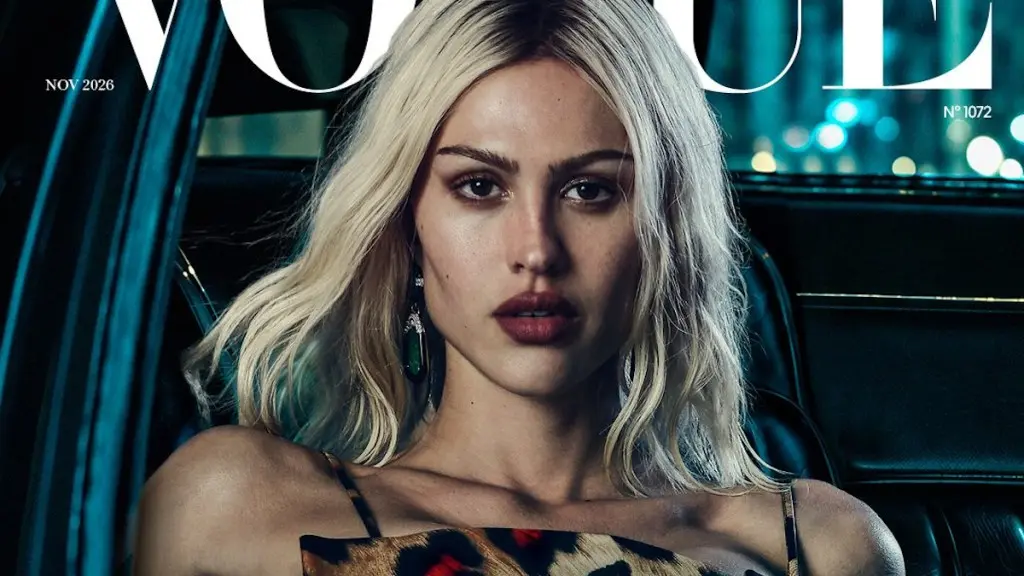
Amelia Gray Captures Vogue France Cover With Cinematic Femme Fatale Aesthetic
Strategic Shift Under New Leadership
Amelia Gray graces the latest cover of Vogue France, embodying a classic femme fatale persona. The shoot features cinematic lighting and dramatic styling. This issue marks a significant moment for the publication’s visual direction. Critics are closely watching how this new aesthetic resonates with readers. The model’s performance has generated considerable buzz within fashion circles.
Breaking News
 Shoes for a Cure Kicks Off NY Charity Sale with Star Power
 Commando Opens Exclusive Bodysuit Bar at Saks Fifth Avenue Flagship
 Italian Luxury Footwear Steals the Spotlight at Rome Film Festival
 Neiman Marcus Celebrates 100 Years of Holiday Book with Star-Studded Fantasy Gifts Party
The cover art leans heavily into film noir influences. Gray’s expression is intense and mysterious, fitting the archetype perfectly. This approach contrasts sharply with recent issues that featured high-profile supermodels. Those previous covers often received mixed reviews for lacking impact. The editorial team aimed to revitalize the brand’s image through this bold choice. They sought to move away from standard glamour photography toward narrative-driven visuals.
Claire Thomson-Jonville currently leads the editorial direction of the magazine. Her tenure has seen a mix of experimental and traditional choices. Recent covers starring Awar Odhiang, Gigi Hadid, and Natalia Vodianova failed to spark widespread excitement. Critics noted that these issues felt somewhat underwhelming despite the star power involved. The current strategy prioritizes mood and storytelling over simple celebrity appeal. This shift aims to re-engage an audience that may have grown fatigued by predictable content. By choosing Gray, the editors highlight her ability to convey complex emotions. Her presence on the cover suggests a deeper commitment to artistic integrity. The team believes that strong character work can elevate the brand’s prestige.
Does Nostalgia Drive Modern Fashion?
The decision to embrace a retro cinematic look raises interesting questions about industry trends. Many brands are currently looking backward for inspiration. The femme fatale trope remains a powerful symbol in visual media. It represents independence, mystery, and allure. Gray’s portrayal taps into this enduring cultural fascination. However, some observers argue that relying on nostalgia can limit innovation. They suggest that fresh concepts might better serve a modern audience. The success of this cover will depend on reader response. If audiences connect with the dramatic tone, it could set a new standard. Conversely, if the reaction is lukewarm, the magazine may need to pivot again. The balance between heritage and novelty remains a delicate tightrope walk for editors.
Vogue France continues to navigate its identity in a competitive landscape. The Amelia Gray cover serves as a test case for this new direction. Readers will judge whether the cinematic approach adds value or feels forced. Success here could influence future cover selections significantly. The publication hopes to regain its status as a trendsetter rather than a follower. As the fashion world evolves, staying relevant requires constant adaptation. The next few months will reveal if this gamble pays off. For now, the debate over the best path forward remains open.
Frequently Asked Questions
Who is leading the editorial direction of Vogue France? Claire Thomson-Jonville currently oversees the magazine’s content and creative vision. She is responsible for selecting covers and setting the overall tone for the publication.
Why did critics find recent covers unexciting? Issues featuring major stars like Gigi Hadid and Natalia Vodianova were deemed underwhelming. Critics felt the executions lacked the punch needed to stand out in a crowded market.
How does the Amelia Gray cover differ from previous ones? This cover focuses on cinematic drama and character depth rather than pure glamour. It utilizes film noir elements to create a specific narrative mood for the viewer.