
A Tale of Threads: How Grace Snell's Costumes Brought 1790s Sisterhood to Life
The Craft of Authenticity
British film and television costume designer Grace Snell spent her teenage years devouring Jane Austen’s novels in school. The vivid world of the Dashwood sisters captured her imagination, and she now applies that same passion to her work on the 2023 BBC adaptation of Sense and Sensibility .
Breaking News
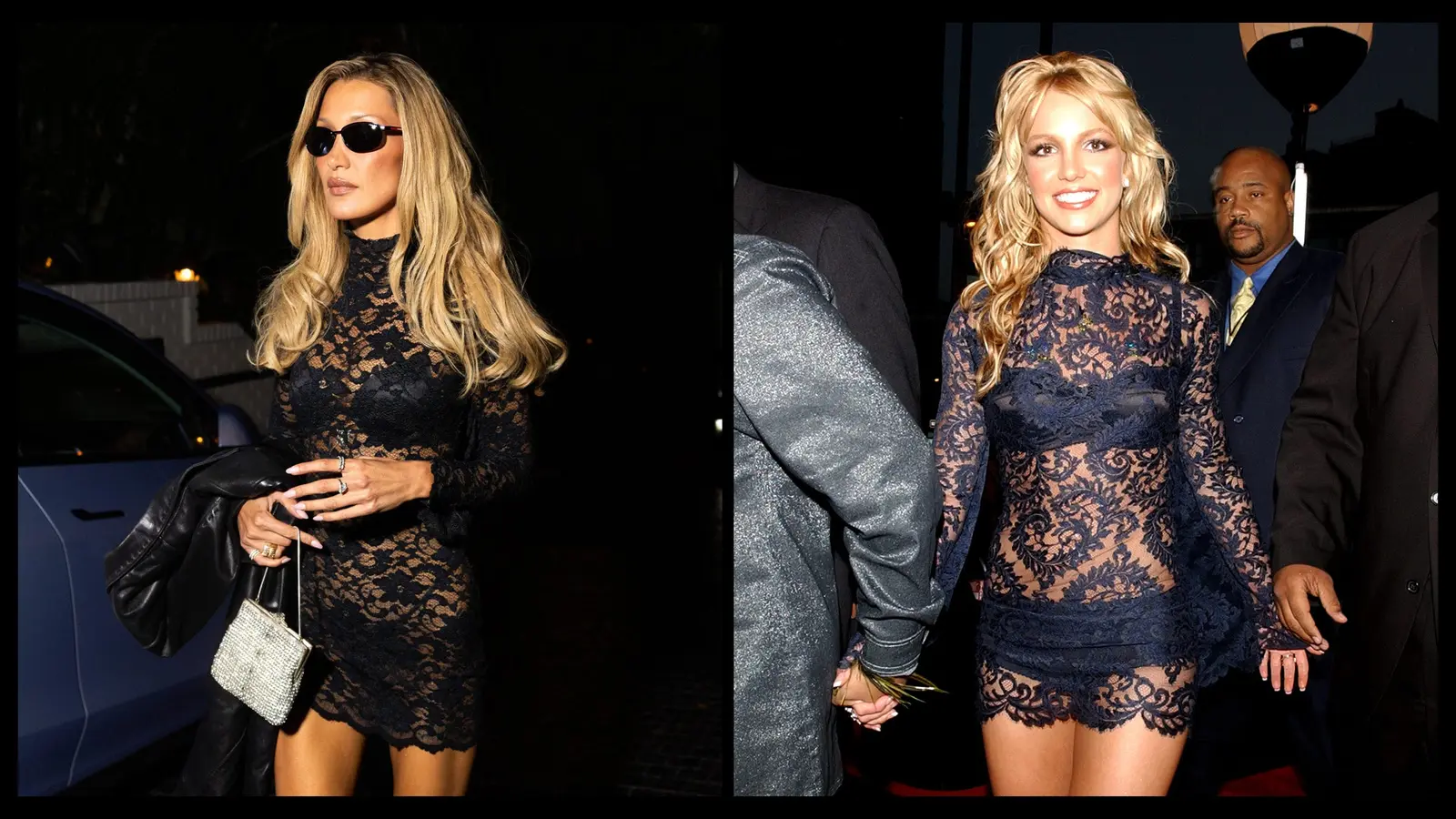 Bella Hadid Recreated Britney Spears's iconic VMAs Dress for the Victoria's Secret After Party
 Bridal Couture Sets New Standards at New York Fashion Week
 Fall Manicure Trends: 7 Simple Ways to Refresh Your Look
 Durango Expands Beyond Boots with New Apparel and Accessories Licenses
Snell’s approach to the series was rooted in authenticity. She began by studying period fashion books, sketching silhouettes, and examining surviving garments from the late eighteenth century. „I wanted every dress to feel lived‑in, as if the sisters had worn them for years,” she explained. Her goal was to reflect the social realities of the period: modesty for the lower classes, elegance for the gentry, and the practicalities of daily life.
How Did the Costumes Shape the Narrative?
To achieve realism, Snell’s team sourced hand‑made fabrics and worked with traditional techniques such as hand‑stitching and natural dyeing. „We avoided the polished, museum‑style look,” she said. „Instead, we wanted skirts that showed the wear of a long walk in muddy fields.” The result was a wardrobe that looked worn and weathered, with subtle stains and frayed edges that added depth to the characters.
The designers also paid close attention to the sisters’ relationships. „Sisters share more than a name; they share clothes,” Snell noted. She incorporated hand‑me‑down pieces into the costumes, mirroring how the Dashwoods would have exchanged garments among themselves. This detail helped the actors inhabit their roles more fully, as the fabric itself echoed familial bonds.
What Does This Mean for Future Period Dramas?
The costuming choices influenced the storytelling in several ways. First, the worn fabrics highlighted the Dashwoods’ financial constraints, reinforcing themes of modesty and resilience. Second, the subtle variations in texture and color allowed the audience to track each sister’s personality: Elinor’s understated elegance, Marianne’s boldness, and Margaret’s practicality. Finally, the shared garments visually underscored the sisters’ unity, offering a quiet reminder of their shared history.
The production’s commitment to historical accuracy extended beyond clothing. Snell consulted with historians and period experts, ensuring that every accessory—from waistcoats to hairpins—was period‑appropriate. The result was a visual tapestry that felt both authentic and emotionally resonant.
Snell’s success suggests a growing appetite for realism in period productions. Viewers increasingly expect authenticity, and costumers who embrace traditional techniques can meet that demand. For upcoming projects, Snell plans to continue exploring hand‑crafted methods, hoping to inspire a new generation of designers who value craft over convenience.
Frequently Asked Questions
In the long run, her work may shift industry standards, encouraging studios to invest more in research and artisanal production. As audiences become more discerning, the blend of storytelling and meticulous costuming will likely become the norm rather than the exception.
Q: Did the costuming team use any modern materials? A: No. All fabrics were sourced from the 18th‑century period or were hand‑made replicas using traditional techniques.