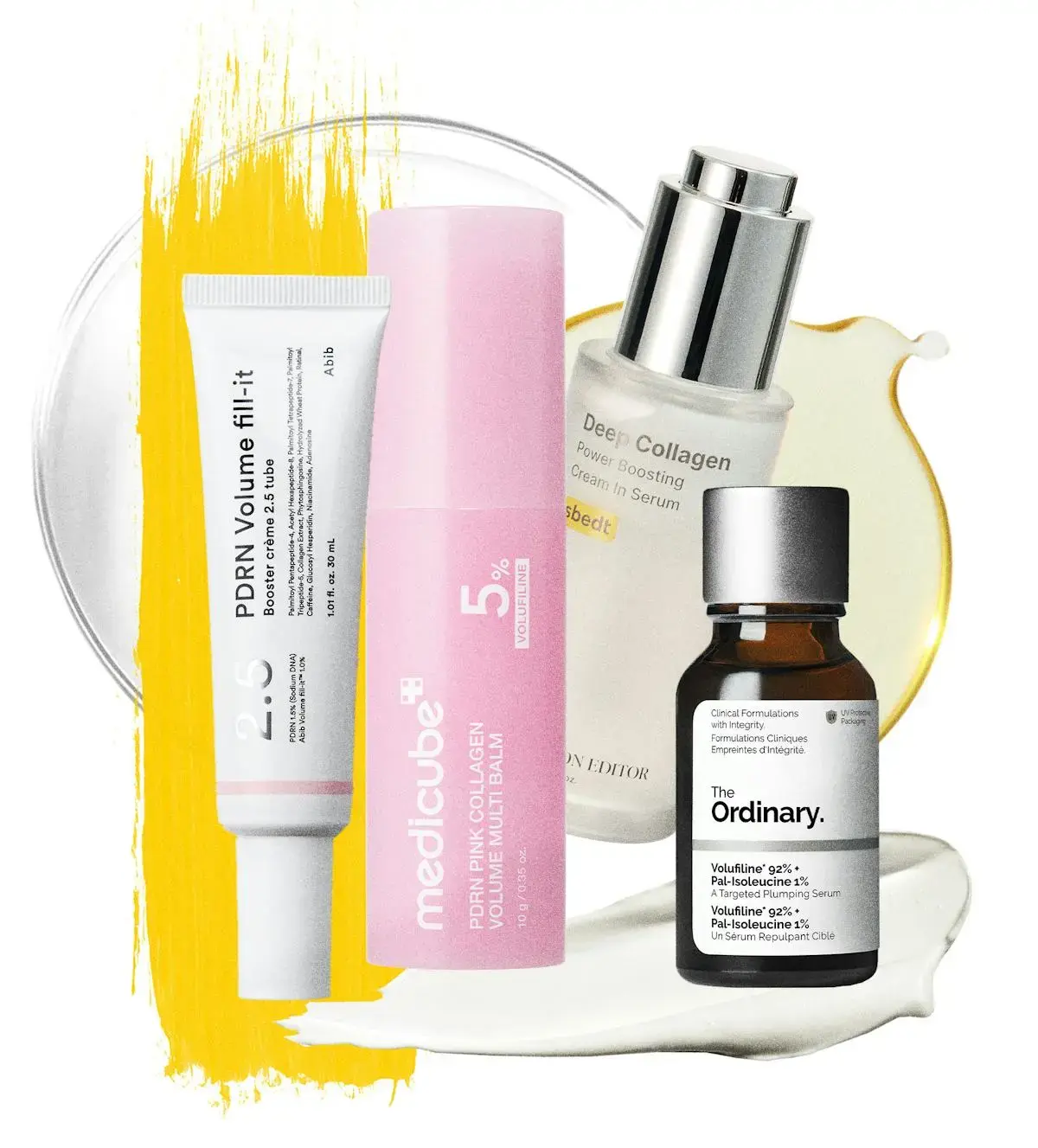
Volufiline Promises Filler‑Like Results: Does Science Back the Claim?
How Volufiline Is Supposed
A new skin‑care ingredient called Volufiline is gaining attention for its bold claim of acting like a „filler in a bottle.” The molecule, derived from a plant oil, is being added to creams and serums marketed as anti‑aging solutions. Its debut in mainstream cosmetics occurred earlier this year, sparking debate among dermatologists and beauty enthusiasts alike.
Breaking News
 Victoria's Secret Fashion Show Performers Embrace Angelic Manicures Theme
 Breaking Down the Best Angel Beauty at Victoria’s Secret Fashion Show 2026
 Irina Shayk Stuns in Sheer Red Pants at Victoria’s Secret After-Party
 Kendall Jenner’s Spiced Cherry Nails Steal the Spotlight at Academy Museum Gala
Manufacturers argue that Volufiline can plump the skin, smooth wrinkles, and mimic the volumizing effect of injectable hyaluronic acid fillers. The claim rests on the ingredient’s ability to store lipids within fat cells, theoretically increasing dermal thickness. However, independent research on its efficacy remains limited, and experts caution consumers to scrutinize the evidence before expecting dramatic results.
Volufiline, chemically known as silybin‑derived squalane, is said to trigger adipocyte differentiation. In simple terms, it encourages tiny fat cells beneath the skin to enlarge, creating a fuller appearance. Laboratory studies have shown a modest increase in lipid storage when the compound is applied to cultured cells. One small clinical trial reported a 5‑percent rise in cheek volume after eight weeks of twice‑daily use, compared with a placebo group that saw no change.
Can It Really Replace Hyaluronic Acid Fillers?
Proponents point to these findings as proof that topical application can deliver filler‑like benefits without needles. „The ingredient works by expanding sub‑dermal fat, which naturally lifts the skin,” said a spokesperson for a leading brand that recently launched a Volufiline‑rich cream. Yet, the study’s sample size was limited, and the measurement techniques have been questioned by independent reviewers.
Despite the promising data, most dermatologists remain skeptical about Volufiline’s ability to substitute professional fillers. Injectable hyaluronic acid delivers immediate, measurable volume and is backed by extensive clinical trials. In contrast, Volufiline’s effects appear gradual and modest. „Topical agents can improve skin texture, but they rarely achieve the same degree of volumization as injectables,” noted a board‑certified dermatologist.
Consumer reviews reflect a mixed picture. Some users report a subtle smoothing of fine lines after several weeks, while others see no visible change. The variability may stem from individual skin types, application consistency, and the concentration of Volufiline in each product. As a result, experts advise treating the ingredient as a complementary treatment rather than a full replacement for medical fillers.
The growing popularity of Volufiline underscores a broader trend toward non‑invasive anti‑aging solutions. If future, larger‑scale studies confirm its benefits, the ingredient could secure a lasting place in the cosmetics market. Until then, consumers should weigh the modest evidence against the higher cost and realistic expectations.
Frequently Asked Questions
Is Volufiline safe for daily use? Current data suggest the ingredient is well tolerated on the skin, with few reported irritations. Patch testing is recommended for sensitive individuals.
How long does it take to see results? Most studies indicate noticeable changes after four to eight weeks of consistent application, though outcomes vary widely.
Can Volufiline be combined with other anti‑aging products? Yes, it can be layered with moisturizers, serums, or sunscreen. Pairing it with proven actives like retinol may enhance overall skin health, but users should monitor for any irritation.