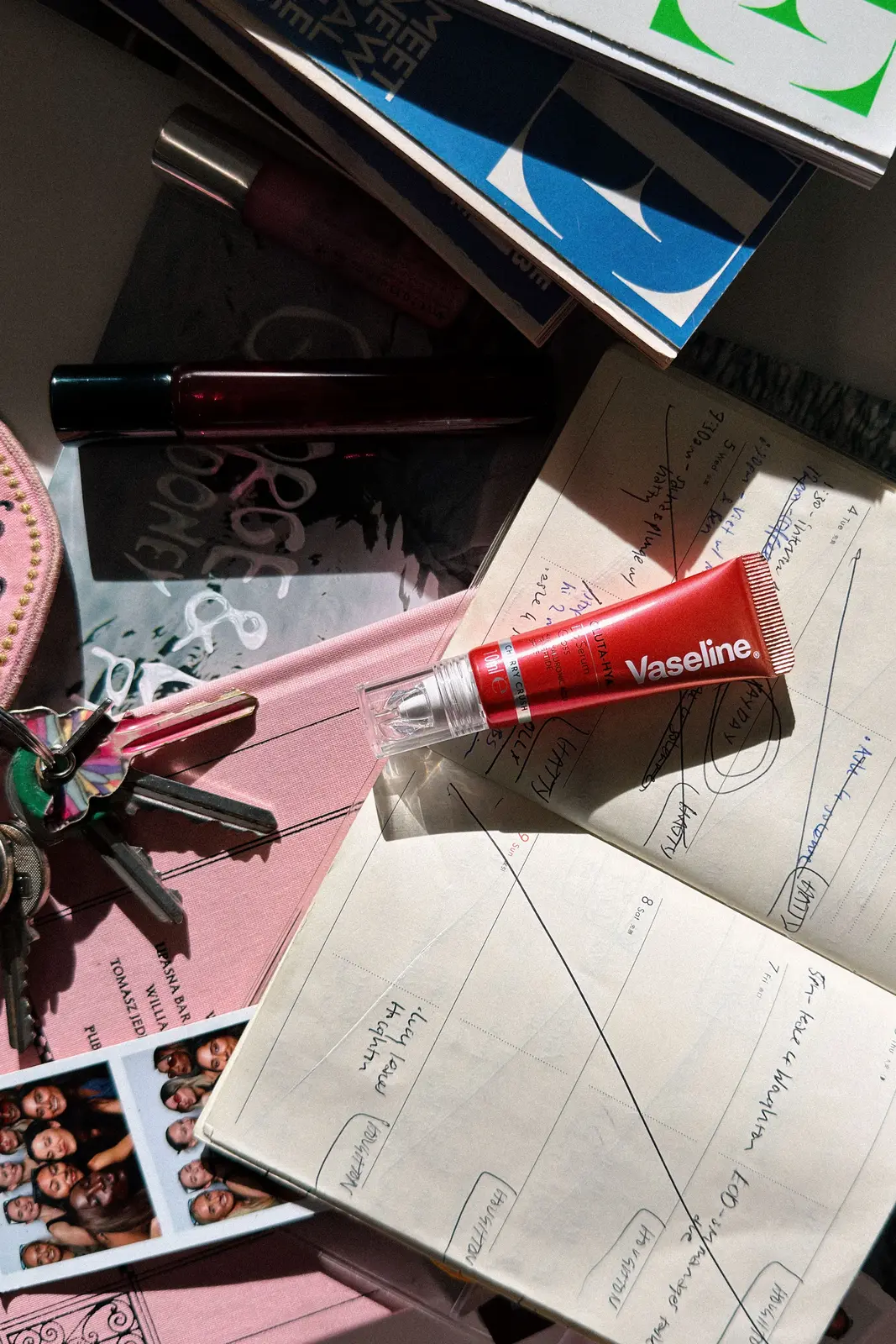
Vaseline Masters the Art of Internet Slang and Viral Hacks
Turning Consumer Hacks into Brand Assets
Vaseline has successfully integrated itself into modern digital culture through two distinct initiatives. Launched in late 2026, these programs target younger consumers who rely on social media for beauty advice. The brand aims to move beyond traditional advertising by embracing the chaotic, fast-paced nature of online communities. This strategic pivot marks a significant shift in how legacy beauty products engage with the current generation of internet users.
Breaking News
 European Labels Spark U.S. Interest, Yet Buyers Back Out Over Costs and Hassles
 Dua Lipa Dons Chanel for Night Out at Yankee Stadium with Callum Turner
 Margaret Qualley Turns Heads in Chanel Gown at NYC Film Screening
 Olivia Rodrigo Stuns Fashion World With Daring Hollywood Reporter Cover Look
The core of this strategy involves two specific campaigns. The first is Vaseline Verified, which focuses on validating popular product hacks. The second is Vaseline Originals, which encourages users to create and share their own unique applications. By leveraging consumer-generated content, the brand taps into the existing trust networks within social platforms. This approach allows Vaseline to appear organic rather than promotional, a crucial distinction in today's skeptical digital landscape.
The Vaseline Verified program specifically addresses the phenomenon of viral beauty hacks. Many users on platforms like TikTok and Instagram share unconventional ways to use petroleum jelly. These range from skincare routines to hair care tips. Instead of ignoring these unofficial uses, Vaseline steps in to verify their safety and efficacy. This validation gives users confidence while simultaneously driving product sales. The brand effectively curates the wild world of internet beauty advice, filtering out dangerous myths and promoting safe practices.
Why Digital Natives Demand Authentic Engagement
Simultaneously, Vaseline Originals invites the community to innovate. Users are encouraged to experiment with the product and document their findings. This two-way interaction transforms passive consumers into active brand ambassadors. The brand provides the canvas, while the internet provides the paint. This dynamic ensures that the marketing content remains fresh and relevant. It also allows Vaseline to collect valuable data on how consumers actually use the product in real life.
Younger demographics have grown immune to polished corporate messaging. They prefer raw, unscripted content that feels genuine. Vaseline’s new strategy aligns perfectly with this preference. By adopting the tone and style of internet speak, the brand sounds less like a corporation and more like a peer. This linguistic shift helps bridge the gap between a century-old product and modern trends. The brand’s ability to code-switch is a key factor in its renewed relevance.
This approach also mitigates the risk of backlash. When brands attempt to use slang without understanding its context, they often face criticism. Vaseline avoids this by letting the community lead the conversation. The brand simply amplifies and supports user voices. This humility is refreshing in an industry often criticized for inauthenticity. It demonstrates a genuine effort to understand the culture rather than just exploit it.
Frequently Asked Questions
The success of these programs suggests a broader trend in marketing. Legacy brands are increasingly looking to digital natives for guidance on engagement. Vaseline’s model offers a blueprint for other companies. It proves that listening to the internet can be as valuable as talking to it. As social media continues to evolve, brands that remain static will likely lose ground. Those that adapt their language and strategy will stay competitive. Vaseline has shown that even a simple product can speak the language of the future.
What is Vaseline Verified? Vaseline Verified is a program that validates popular internet beauty hacks. It ensures that user-shared tips are safe and effective before promoting them.
How does Vaseline Originals differ from Verified? Vaseline Originals encourages users to create new, unique product applications. It focuses on innovation and community-driven experimentation rather than validation.