
The Dark Side of "Acne Safe" Skincare
The Chemistry of SafeClaims
TikTok's latest obsession is the acne safeskincare trend, where products are touted as gentle and non-irritating. The hashtag has gained massive popularity. Users are seeking products that won't exacerbate their acne.
Breaking News
 Jack Innanen Stars in Banana Republic's New Comedy Campaign 'The Agency
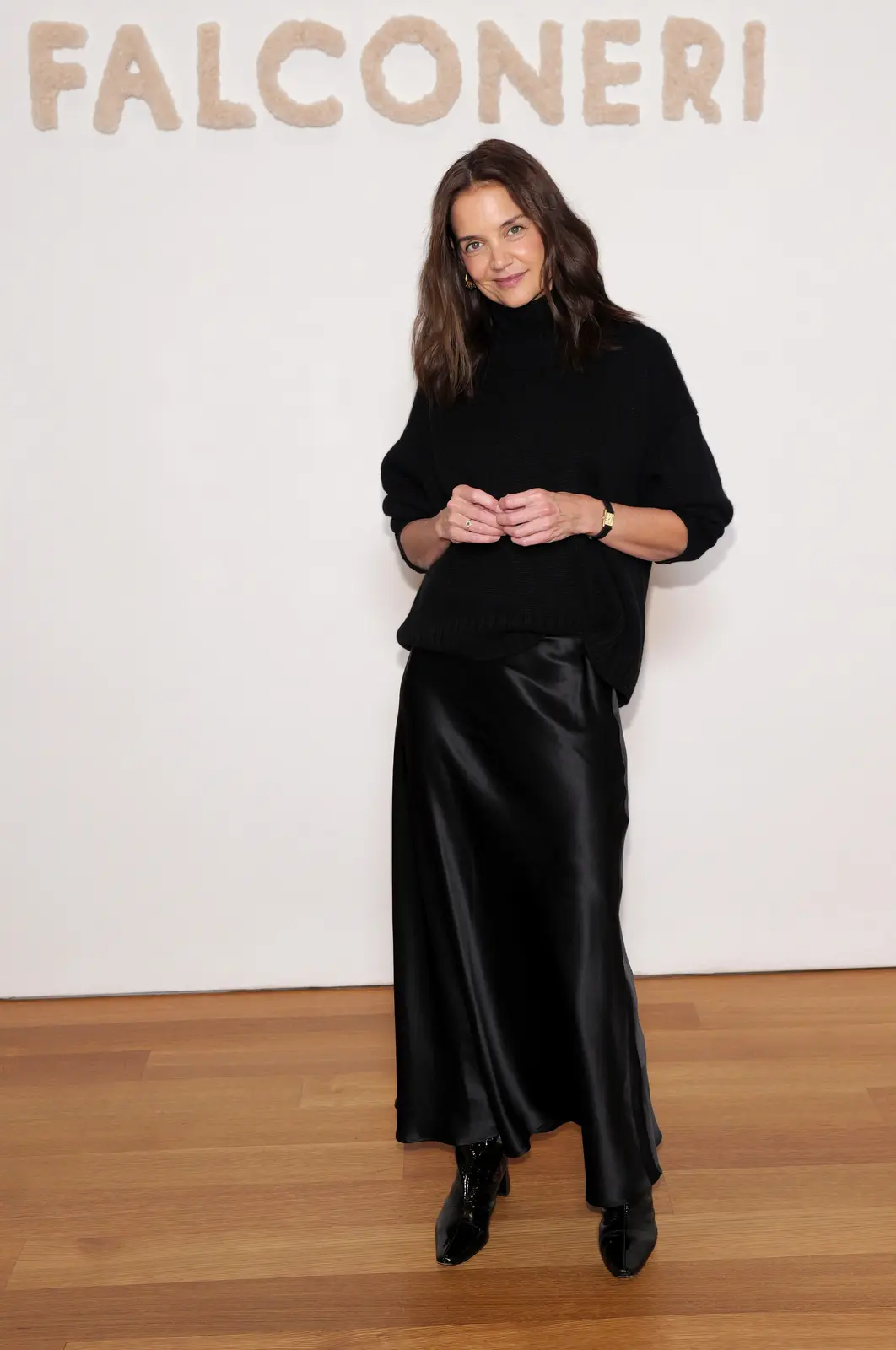 Katie Holmes Shines in Sequin Skirt at London Fashion Event
 From the Runway to the Red Carpet, Has the Clear Shoe Trend Gone Too Far?
 Millennial Side Parts Are Angel-Approved on the Victoria’s Secret Runway
The term safeis frequently used in the beauty industry, often to convey a sense of reassurance. Products are labeled as safe from animal testing, safe for pregnancy, or safe from harsh chemicals. While some of these claims have scientific backing, others are more dubious.
Everything is made up of chemicals, including water. This raises questions about the validity of chemical-freeclaims. Some skincare ingredients, like retinoids and hydroquinone, are known to be problematic during pregnancy. However, the blanket term safecan be misleading.
Is Acne SafeJust a Marketing Ploy?
The acne safelabel is often applied to products that avoid potentially irritating ingredients like fragrance or dyes. However, this doesn't necessarily mean they're effective against acne. Some products may be too gentle to make a difference.
The acne safetrend may be more about marketing than actual skin health. By emphasizing safety, brands can appeal to consumers who are anxious about trying new products. However, this can lead to a lack of innovation and ineffective products.
The consequences of this trend could be a skincare routine that's more about perceived safety than actual efficacy. As consumers, it's essential to look beyond the label and understand what's really in our products.
Frequently Asked Questions
What does acne safereally mean? The term acne safetypically means a product avoids potentially irritating ingredients, but it doesn't guarantee effectiveness against acne.
Are chemical-freeproducts better for my skin? Not necessarily. Everything is made up of chemicals, and some natural ingredients can be irritating or ineffective.
Can I trust products labeled as safe for pregnancy? However, it's always best to consult a healthcare professional before using any new skincare product.