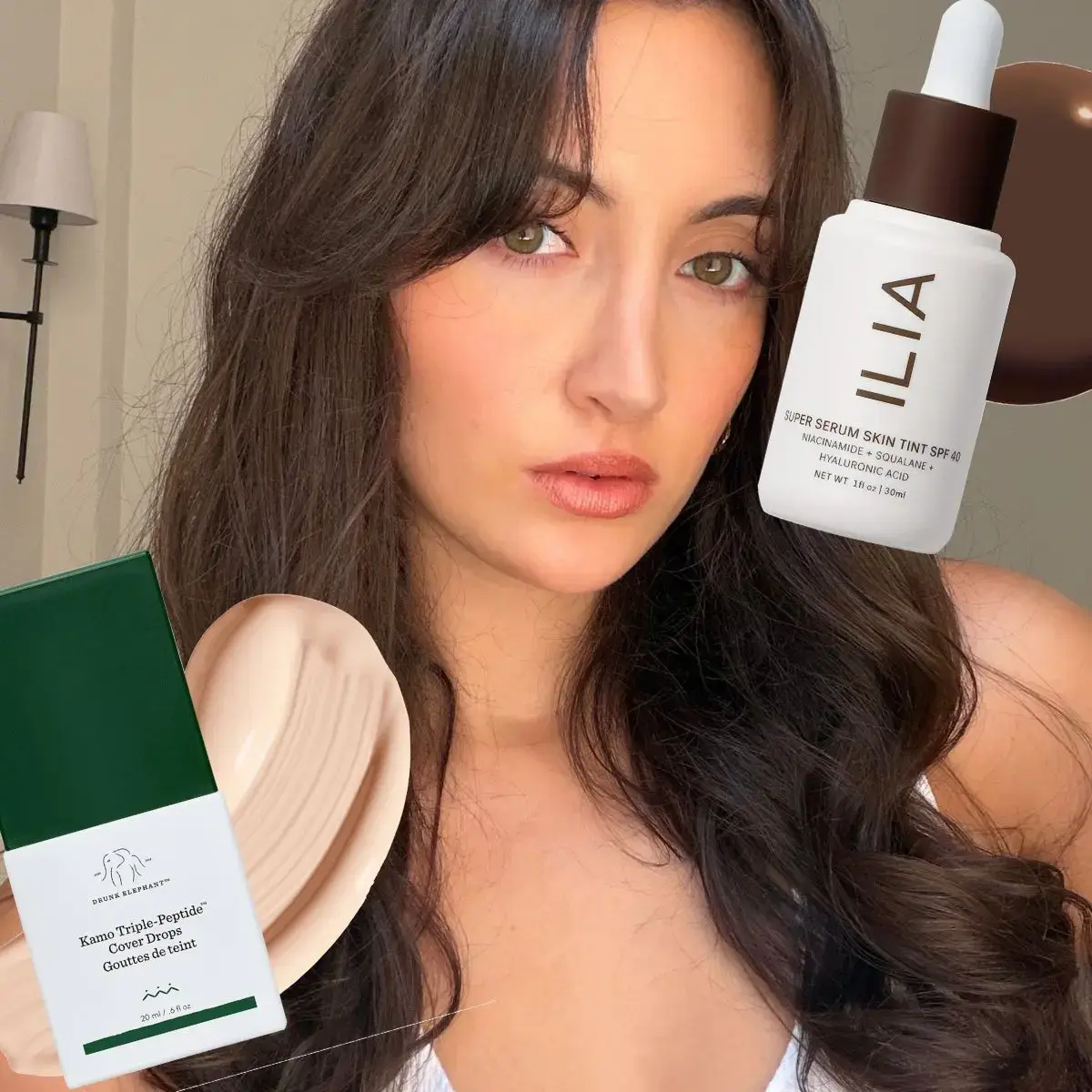
Silky, Hydrating, and Featherweight—These Serum Foundations Are the Answer to Your Makeup Prayers
How Do Serum Foundations Differ from Traditional Liquid Foundations?
Many people spend hours and significant money searching for a foundation that mimics natural skin while covering imperfections like sun spots, blemishes, and redness. The process often feels frustrating, as numerous products end up feeling heavy or cakey, resembling acrylic paint more than a seamless complexion. As beauty innovation advances, new serum-based foundations are emerging to solve this common struggle by combining skincare benefits with lightweight, buildable coverage.
Breaking News
 Affordable Gems: London’s Hatton Garden Delivers Luxury on a Budget
 The Best Part About the Victoria’s Secret Fashion Show Was the Hot-as-Hell OG Angels
 Monica Barbaro Turns Heads in Daring Sheer Gown at Academy Museum Gala
 Bella Hadid Channels Britney Spears’ Iconic 2001 Style at Victoria’s Secret After-Party
These innovative formulas blend hydrating serums with pigment to deliver a second-skin feel without sacrificing performance. Designed for various skin types and budgets, they aim to even out tone while improving skin texture over time. Ingredients like hyaluronic acid, niacinamide, and antioxidants are commonly included to soothe irritation and boost radiance. Unlike traditional foundations that can clog pores or emphasize dryness, these lightweight options absorb quickly and allow skin to breathe. Makeup artists note that the key to their success lies in the fluid texture, which melts into the skin and avoids settling into fine lines or texture.
Can These Foundations Work for Oily or Acne-Prone Skin?
Serum foundations stand out due to their high concentration of skincare actives and low pigment load, which results in a more natural finish. While traditional foundations often rely on heavier emollients and fillers to achieve coverage, serum versions use water-based or gel-like bases that feel weightless. This allows them to hydrate while correcting discoloration, making them ideal for those who want makeup that treats skin as it wears. Users report fewer breakouts and less flakiness compared to thicker formulas, especially when layered over moisturizer or primer.
Yes, many serum foundations are formulated to be non-comedogenic and oil-free, making them suitable for oily and acne-prone skin types. Some include ingredients like zinc or salicylic acid to help control shine and prevent breakouts. Despite their hydrating properties, they dry down to a soft matte or natural finish without feeling greasy. Dermatologists suggest looking for labels that specify „non-acnegenicor ”tested on sensitive skinto minimize irritation. When applied with a damp sponge or brush, they provide sheer to medium coverage that lasts throughout the day without oxidizing or separating.
Are serum foundations less pigmented than regular foundations? They typically offer sheer to medium coverage, which is buildable but not as opaque as full-coverage liquids, focusing instead on a skin-like appearance.
Frequently Asked Questions
Do I need to use a primer with a serum foundation? While not always necessary, a primer can help extend wear and improve application, especially for those with oily skin or large pores.
How should I store serum foundations to maintain their effectiveness? Keep them in a cool, dry place away from direct sunlight to preserve the integrity of the active ingredients and prevent separation.