
New Report Finds Nearly Half Of Skincare Brands Make Unverified Claims
How Brands Use Science-Like Language Without Proof
A recent analysis of 633 skincare brands reveals that 47% lack independent evidence to support their marketing claims, raising concerns about transparency in a rapidly growing industry. Conducted by M11 Labs, the study examined product labels, websites, and advertising materials across mass-market and premium lines to assess the validity of efficacy promises. The findings highlight a widespread reliance on scientific-sounding language without corresponding clinical backing, leaving consumers to navigate misleading information in pursuit of effective skincare solutions.
Breaking News
 Affordable Gems: London’s Hatton Garden Delivers Luxury on a Budget
 The Best Part About the Victoria’s Secret Fashion Show Was the Hot-as-Hell OG Angels
 Monica Barbaro Turns Heads in Daring Sheer Gown at Academy Museum Gala
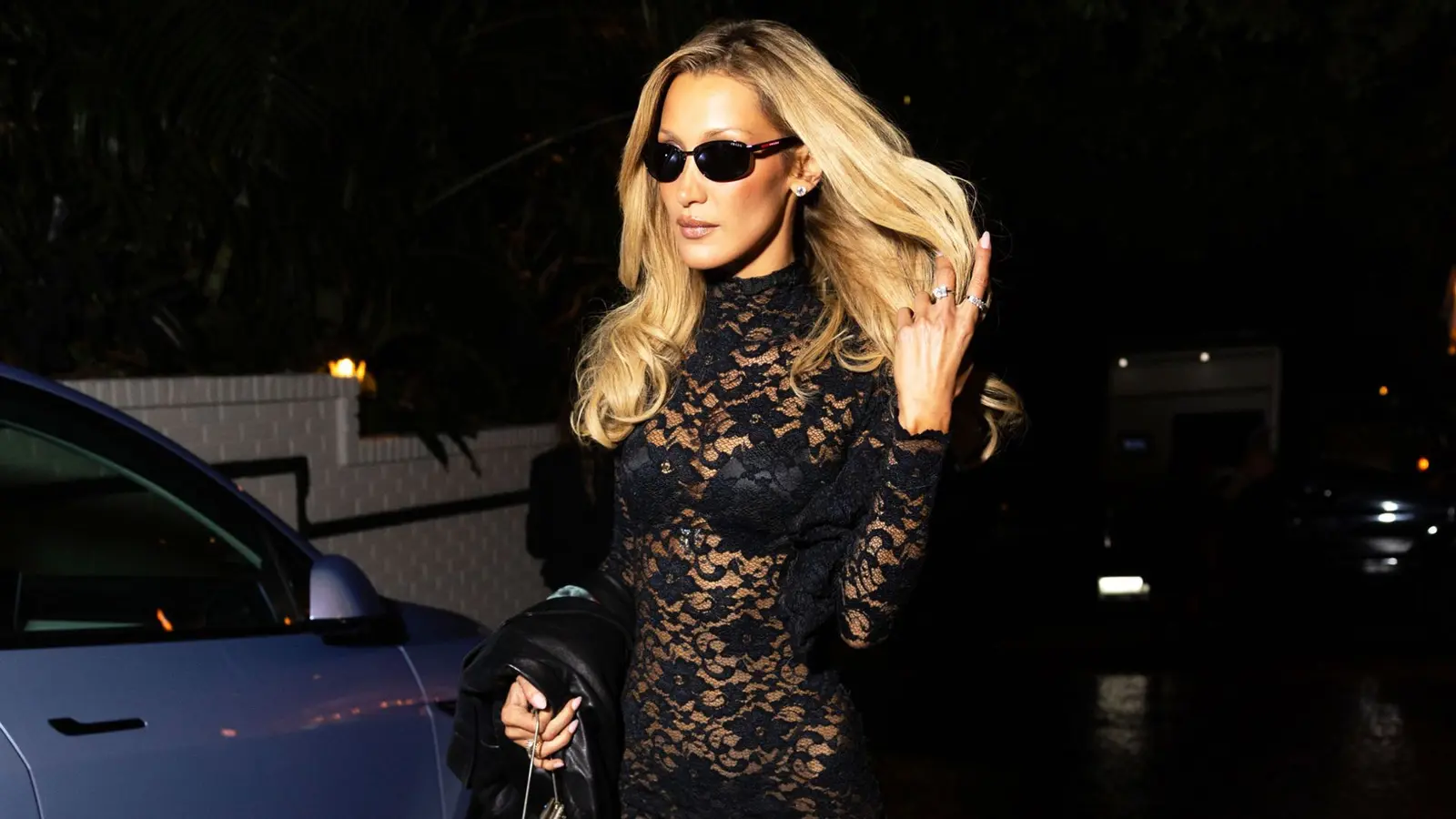 Bella Hadid Channels Britney Spears’ Iconic 2001 Style at Victoria’s Secret After-Party
Many skincare companies employ terms such as clinically proven,dermatologist-tested,and formulated with peptidesto suggest scientific rigor, even when no peer-reviewed studies or third-party trials validate these assertions. M11 Labs found that while branding often mimics medical research, only a minority of claims were supported by accessible, independent data. This gap allows products to benefit from the perception of effectiveness without undergoing the scrutiny required for medical or pharmaceutical claims, exploiting regulatory loopholes in cosmetic labeling.
What Responsibility Do Regulators Have in Oversight?
Unlike drugs, skincare products are classified as cosmetics in most jurisdictions, meaning they do not require pre-market approval for efficacy claims. This regulatory distinction enables brands to make broad promises about anti-aging, acne reduction, or hydration without proving results through controlled trials. Experts warn that this lack of oversight risks eroding consumer trust and may lead to skin irritation or financial harm from ineffective products. Some advocacy groups are calling for stricter labeling rules and mandatory evidence thresholds for certain performance claims.
What does clinically provenactually mean on skincare labels?
Frequently Asked Questions
Are expensive skincare brands more likely to have verified claims? Not necessarily—the study found no significant correlation between price point and the presence of independent evidence, with both luxury and budget brands showing similar rates of unverified claims.
Can consumers trust dermatologist-recommended labels? Only if the recommendation comes from an independent clinical study; otherwise, it may reflects or advisory board roles rather than objective evaluation.