
L’Oréal and Sol de Janeiro Lead Beauty Push in Airport Retail
Exclusive Products Drive Airport Footfall
Major beauty conglomerates are redefining their strategy for duty-free channels in 2026. Brands like L’Oréal and Sol de Janeiro view airports as critical hubs for growth. These companies are increasing investment in travel retail spaces. They aim to capture high-spending travelers who seek exclusive experiences. The sector remains a vital lifeline for the industry despite broader economic pressures.
Breaking News
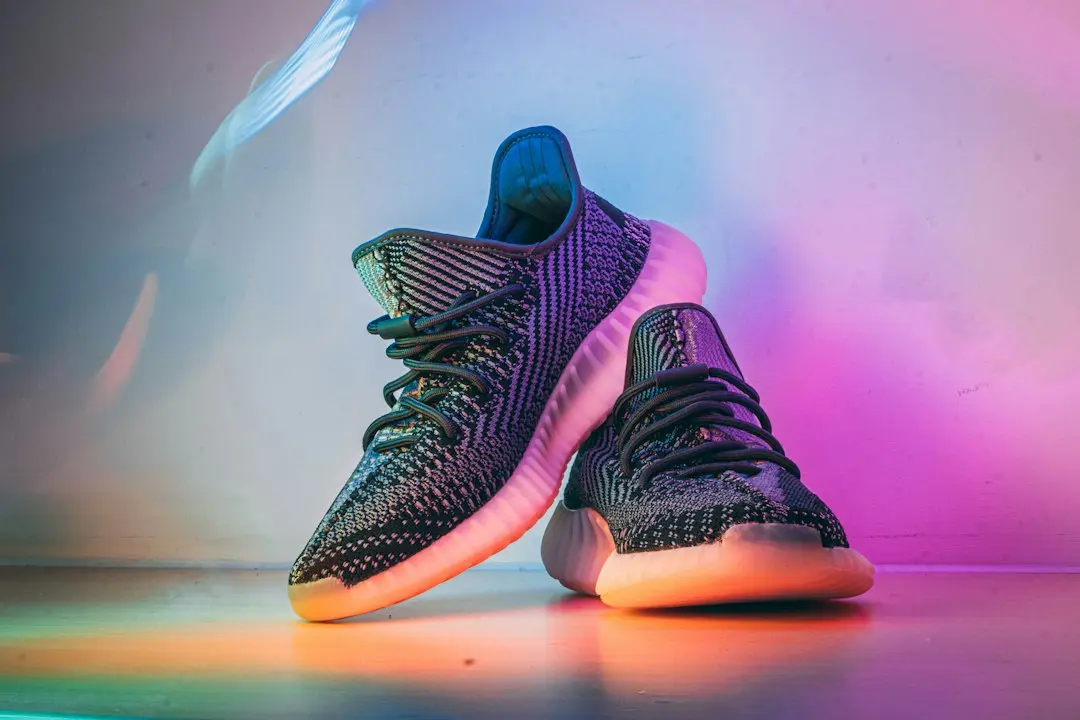 Shoes for a Cure Kicks Off NY Charity Sale with Star Power
 Commando Opens Exclusive Bodysuit Bar at Saks Fifth Avenue Flagship
 Italian Luxury Footwear Steals the Spotlight at Rome Film Festival
 Neiman Marcus Celebrates 100 Years of Holiday Book with Star-Studded Fantasy Gifts Party
The beauty market has demonstrated remarkable resilience against global disruptions. Tariffs and geopolitical conflicts have not significantly dented consumer demand for cosmetics. Instead, airports have emerged as a sanctuary for luxury spending. Travelers often bypass price sensitivity when crossing borders. This creates a unique environment where premium brands can thrive. Companies are responding by expanding their physical presence in these transit zones.
Retailers are leveraging the exclusivity factor to attract shoppers. Many brands release specific product lines only available in duty-free stores. This scarcity model encourages immediate purchases before travelers leave the terminal. Sol de Janeiro, for instance, focuses on sensory experiences that cannot be replicated online. L’Oréal utilizes its vast portfolio to offer curated selections. These strategies differentiate airport shopping from standard mall retailing. Shoppers perceive higher value in items they cannot easily find elsewhere.
How Brands Adapt to Post-Pandemic Travel Habits
The rise of affordable alternatives, often called dupes, has changed consumer expectations. However, travel retail counters this trend through perceived prestige. Airports offer a controlled environment with minimal competition. This isolation allows brands to command premium pricing without immediate comparison. Customers accept higher costs in exchange for convenience and exclusivity. The format supports a psychological shift toward treating shopping as part of the journey.
Travel patterns have stabilized after years of disruption. International flight volumes continue to recover steadily. Brands must now adapt to a new normal of frequent flyers. These travelers are experienced and knowledgeable about products. They expect personalized service and digital integration. Retailers are investing in technology to enhance the in-store experience. Mobile apps and loyalty programs bridge the gap between online and offline. This hybrid approach keeps customers engaged beyond the checkout counter.
Data collection plays a crucial role in this adaptation. Airports provide rich insights into consumer behavior across demographics. Brands use this data to refine their offerings. They tailor stock levels based on destination popularity. For example, skincare products may sell better on flights to colder climates. This precision marketing reduces waste and boosts inventory turnover. It ensures that shelves remain stocked with high-demand items.
Frequently Asked Questions
Why are airports becoming more important for beauty sales? Airports offer a captive audience with high spending power. The exclusivity of duty-free products drives purchase intent. This channel provides a distinct advantage over general retail environments.
How do brands handle the rise of duplicate products? They emphasize limited-edition releases and superior packaging. These tactics create a sense of urgency and uniqueness. Shoppers prioritize authenticity and prestige over lower-cost alternatives.
Will this trend continue throughout 2026? Industry analysts predict sustained growth in travel retail. Continued recovery in international travel supports this outlook. Brands plan to maintain or increase their airport investments.