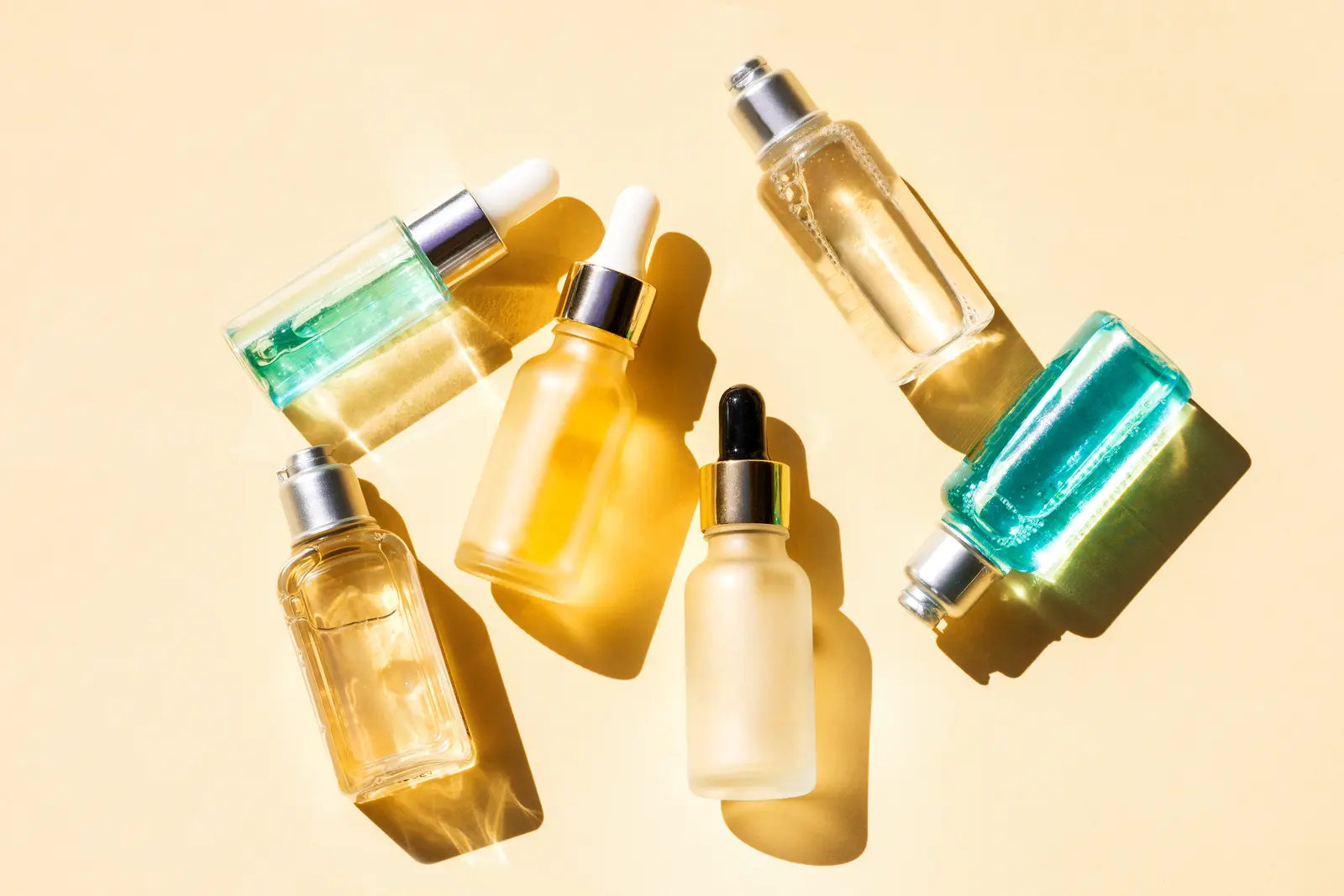
Everyone Is Talking About Peptides. Here’s What You Really Need to Know
Signal peptides like palmitoyl pentapeptide-4 are among the most studied
Peptides have become a buzzword in skincare and wellness circles, appearing in serums, supplements, and social media trends. Experts say the science behind these short chains of amino acids is promising but often oversimplified in marketing. As of late September 2026, dermatologists and researchers are urging consumers to distinguish between proven topical benefits and unverified claims about internal use. The appeal of peptides lies in their role as signaling molecules that can instruct skin cells to produce more collagen or repair damage. Topical formulations have shown measurable results in reducing fine lines and improving barrier function in clinical studies. However, oral peptide supplements face significant hurdles, as digestive enzymes often break them down before they reach target tissues, limiting systemic effectiveness. How Do Peptides Actually Work in Skincare? When applied to the skin, certain peptides mimic natural messengers that trigger fibroblast activity, boosting collagen and elastin synthesis.
Breaking News
 Halloween Manicures: 17 Nail Designs That Will Turn Heads
 Why Hello Sunday Decided To Leave Sephora US Two Years After Launching
 It Girls in Paris Know That This Jeans-and-Heels Outfit Looks Great at Every Age
 21 Unique Boo Basket Filler Ideas That Are Right on Trend
Signal peptides like palmitoyl pentapeptide-4 are among the most studied, with trials showing improved skin texture after 12 weeks of use. Carrier peptides deliver trace minerals essential for enzymatic processes, while enzyme-inhibiting peptides slow collagen breakdown. Dermatologists emphasize that formulation stability and concentration matter greatly—many over-the-counter products contain insufficient levels to produce visible change. Can You Really Boost Collagen by Drinking Peptides? Despite growing popularity of collagen peptides in powders and drinks, evidence for direct skin benefits remains indirect. When ingested, these proteins are hydrolyzed into amino acids in the gut, which the body uses wherever needed—not necessarily for skin repair. Some studies suggest oral supplementation may support hydration and elasticity over months, but results vary widely based on individual metabolism and baseline nutrition.
Experts recommend prioritizing proven topical actives like retinoids and vitamin C alongside any peptide regimen, and consulting a healthcare provider before relying on supplements for anti-aging goals. Frequently Asked Questions Are all peptides equally effective in skincare? No, effectiveness depends on the specific peptide type, its concentration, and how well it penetrates the skin barrier. Signal and carrier peptides generally have stronger evidence than others. Should I use peptide products morning or night? Most peptide serums are stable enough for twice-daily use, but pairing them with sunscreen in the morning and avoiding direct combination with strong acids or retinol at night can prevent irritation. Do peptide supplements replace the need for topical skincare? No, oral peptides do not deliver targeted skin benefits comparable to well-formulated topical applications, and should be viewed as a complementary wellness approach rather than a substitute.