
Artificial Intelligence Transforms Personalized Haircare Analysis
Moving Beyond Subjective Self-Diagnosis
Technology is finally catching up to the beauty industry as artificial intelligence replaces unreliable consumer surveys with precise visual diagnostics. By analyzing high-resolution photographs, new software can now determine hair texture, condition, and type. This shift aims to eliminate the guesswork that has long plagued the haircare market for shoppers.
Breaking News
 Daisy Edgar-Jones Redefines Power Dressing in Vintage Armani
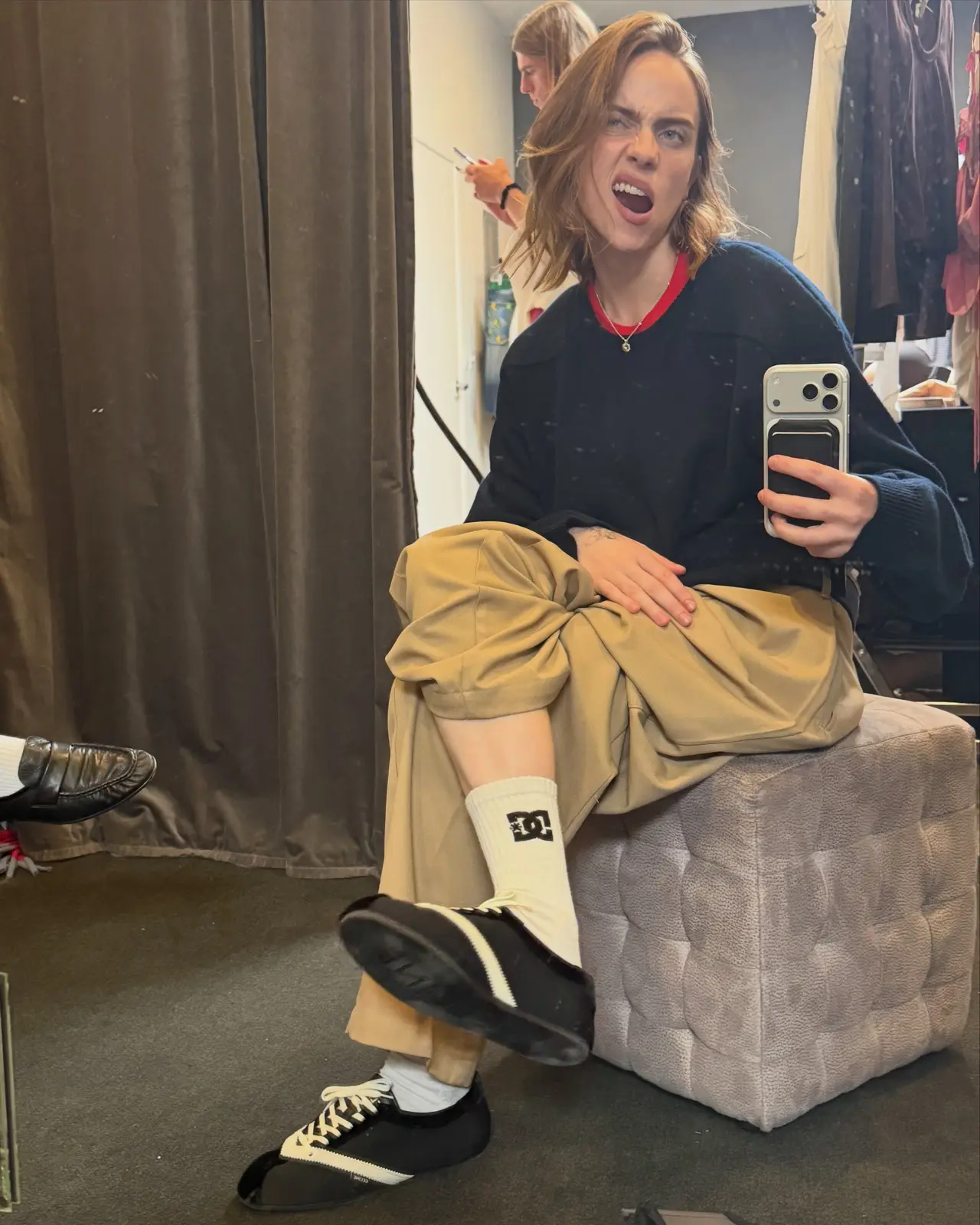 Billie Eilish Debuts Striking Strawberry Blonde Hairstyle
 Paris Fashion Week After-Hours: The Most Memorable SS27 Celebrations
 Brooks Nader Showcases Rare Archive Jewelry on Social Media
For years, the industry relied on subjective quizzes and shelf-based categorization to sell products. Customers often misidentify their own hair characteristics, leading to poor purchasing decisions. Factors like lighting, humidity, and personal bias frequently distort how individuals perceive their hair health, making traditional self-reporting an ineffective method for selecting the right treatments.
The transition to camera-based diagnostics mirrors the evolution seen in the skincare sector. Instead of asking a shopper to guess their hair porosity or oil levels, AI algorithms scan images to extract objective data. This digital approach provides a standardized baseline that remains consistent regardless of the user’s personal opinion or environmental conditions.
Can Technology Solve the Hair Texture Puzzle?
By processing visual inputs, these systems identify subtle patterns invisible to the naked eye. This data-driven approach allows brands to recommend specific formulations tailored to the actual state of the hair. It removes the human error inherent in descriptive surveys, ensuring that product pairings are based on physical reality rather than guesswork.
The primary challenge remains the complexity of human hair, which changes based on external factors. While AI can analyze a single snapshot, developers are working to account for variables like moisture and styling damage. As these algorithms become more sophisticated, they will likely offer a more nuanced understanding of hair biology than ever before.
Frequently Asked Questions
This technology promises to reduce waste and improve satisfaction for consumers struggling to find effective solutions. By bridging the gap between clinical observation and consumer convenience, AI is setting a new standard for beauty retail. Future developments will likely focus on tracking hair health over time to measure the efficacy of specific treatments.
Why is consumer self-reporting considered unreliable? People frequently misjudge their own hair type and texture due to personal bias or poor lighting. These subjective descriptions often lead to the purchase of ineffective or unsuitable haircare products.
How does AI improve upon traditional hair quizzes? AI uses objective visual data from photographs to categorize hair health and condition. This removes human error and provides a consistent, data-backed foundation for personalized product recommendations.